
When to Let Go: Recognize the Point of Diminishing Returns in Revision
Embrace the fact that creation is never truly finished—it’s simply released at a point where it can begin its life in the world.

Embrace the fact that creation is never truly finished—it’s simply released at a point where it can begin its life in the world.

Consciously thinking about yourself as a writer—rather than an aspiring one—is the first step toward shattering self-limiting beliefs.

Three distinctive monthly bestseller lists: top 50 hidden gems, top 50 self-published ebooks, and top 50 self-published print books.

One author finds that using digital tools to create a visual story grid is the trick he needs to crystallize his ideas and never miss a beat.

If you write material outside your agent’s wheelhouse, don’t be afraid of making an unagented pitch. Each success is a win-win for both of you.

When your manuscript is 500 words or less, a carefully-chosen word can carry both emotional weight and contextual clarity.

A common anxiety for authors querying their debut is fear of someone stealing their story idea. Here’s why it’s not an actual threat.

One writer found that regular check-ins with a writing buddy have encouraged both of them to make more progress than ever before.

What draws readers into your story is the mystery of how you achieved your transformation, so reflection must be handled carefully.

No matter what story we read, we bring ourselves with it. That’s why sensitivity should be the forethought, not an afterthought, in our world-building.

Every narrative point of view has something it does well and something it doesn’t do as well. Here’s a look at how they compare.

AI copyediting tools are a mixed bag, performing some mechanical tasks well but with a tendency to introduce errors and flatten author voice.

Bulleted lists and unbridled text formatting might work online, but overuse in a book can risk distracting readers instead of guiding them.

A few simple language shifts can take your reader from watching people on the page to feeling like they’re right inside the scene.
Three distinctive monthly bestseller lists: top 50 hidden gems, top 50 self-published ebooks, and top 50 self-published print books.

IngramSpark has helped level the playing field for indie authors, but does that mean every self-publisher should be using it?

One writer asserts that Scrooge’s arc isn’t that of becoming a new person, but confronting his core wound and rediscovering his true self.

Thriller writers don’t always need a plot to get the creative juices flowing—they need a trigger, a simple idea that creates unease.
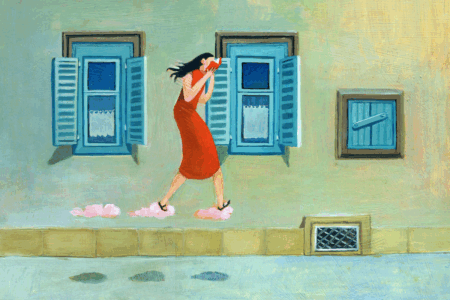
Nonfiction authors can adopt some of the tricks novelists use to make readers care deeply about the topic and want to keep turning the pages.

Engaging with authors whose books are similar to yours is a valuable opportunity for inspiration and collaboration.

Writers bear a responsibility to represent diverse voices authentically rather than falling into the trap of stereotype or caricature.

If the natural world is important to your story, be sure to engage it on a deeper level than descriptions of pretty scenery.

This new edition dramatically revises and re-envisions how to best help writers understand the business they’re entering.

If a nonfiction book is an immediate or distant goal, start thinking now about how to visibly position yourself as an expert in your topic.

In an attempt to crack down on bad actors, KDP and IngramSpark have made it very difficult for anyone but the author to publish a book there.

The finest memoirs are distilled experiences: the more you compress, the more potent your story becomes.
Three distinctive monthly bestseller lists: top 50 hidden gems, top 50 self-published ebooks, and top 50 self-published print books.

Legacy planning is neither morbid nor presumptuous—it’s a sign of love for your work, your readers, and anyone who may one day carry your stories forward.
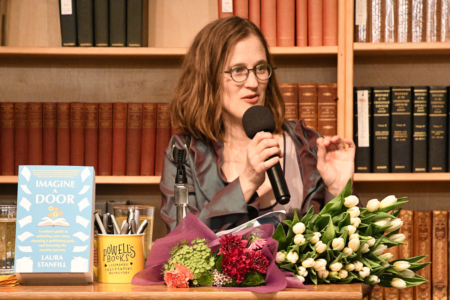
When we try to write something because we feel we ought to, not because we want to, we stack the deck against ourselves.

In a world changing at breakneck speed, how do you prevent a researched nonfiction book from being outdated by the time it is published?

How one author protected her brand without hiring a lawyer. It just takes time, patience, and a few hundred dollars.

Each author’s budget is different, but these guiding principles can help frame your decisions about where to spend and where to save.

Consolidating documents, tasks, decisions, and communication into this powerful app might dramatically simplify your writing project.

Studying the structural choices in classic literature is one of the best ways to understand how story architecture fuels emotional impact.

When writing mystery or thriller, you earn your ending by properly laying the groundwork so that readers don’t feel cheated by plot twists.

Your book doesn’t have to be an overnight sensation. It just has to find its audience—and sometimes, that takes time.

We are storytellers, are we not? Let’s use that skill to our advantage when building the language of our websites to help readers find us.

Writing in a non-native tongue—exophony—means letting go of certain habits and navigating cultural aspects without compromising one’s truth.

Whether you write fiction, nonfiction, or memoir, tracking word count to measure your daily progress yields numerous benefits.

The best way to support your book, especially in the nonfiction world, may be sharing your ideas freely long before the book appears in print.
Three distinctive monthly bestseller lists: top 50 hidden gems, top 50 self-published ebooks, and top 50 self-published print books.

Remembering author and editor Susan DeFreitas, whose life was cut short by cancer.

Different forms of communication—letters, voicemails, social posts—can enrich your memoir, so long as they help tap into something universal.

One writer reflects on the importance of original reference material when a digitized version might be missing critical context.

Backstory in memoir works like a traffic light—stopping too often stalls your journey. Learn which past events truly serve your narrative.
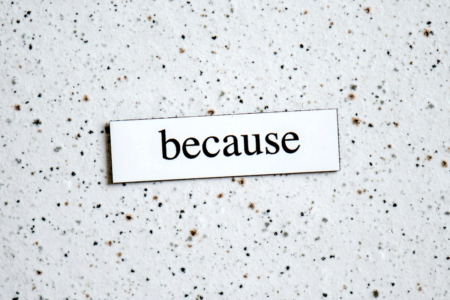
Ensuring your stories are imbued with meaning can be a huge task. Luckily, three magic words will help you strengthen your story’s trajectory.

When life’s too busy for the pomodoro technique to help you get writing done, try even smaller increments of time—or pomodorini.

How one book coach decided to make the leap from attending writing retreats to hosting one herself.

Since most readers don’t have an independent bookstore in their neighborhood, public libraries can be an ideal spot for author events.
Three distinctive monthly bestseller lists: top 50 hidden gems, top 50 self-published ebooks, and top 50 self-published print books.