
4 Methods for Developing Any Idea Into a Great Story
How do great authors develop stunning narratives, break from tradition, and advance the form of their fiction? They take whatever basic ideas they’ve got, then move them away from the typical.

How do great authors develop stunning narratives, break from tradition, and advance the form of their fiction? They take whatever basic ideas they’ve got, then move them away from the typical.
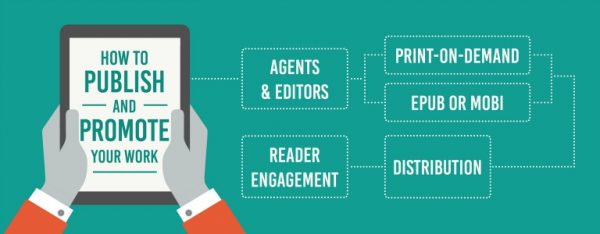
I’m delighted to announce that I’ve been working with The Authors Guild on the creation and release of their new resource guide on e-publishing.

Learn the difference between all ready/already, altogether/all together, all right/alright, any time/anytime, anyway/any way.
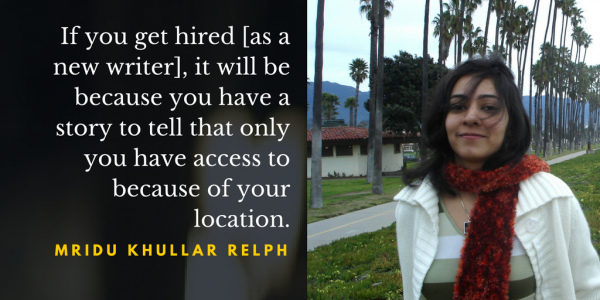
If you dream of a full-time freelance writing career, don’t be discouraged by the largely negative messages about how difficult it is out there.

By far the most common entry-level mistake in the writing game, the thing that can get a perfectly good story rejected by an editor on the first page, is overwriting.

No pressure, but the opening of your book is the gatekeeper in determining whether your novel will sell. If your opening is weak, it won’t matter if chapter two is a masterpiece. Editors and agents and booksellers and librarians and readers will stop reading before they get there.

We order; we catalogue. It is, simply, what the human mind excels at.

Misconceptions about getting started often hold new writers back. You may think that to be successful as a freelance writer, you need a J-school degree, an impressive database of editorial contacts, and a truckload of supplies. Not so—read on to learn the most common myths that can sabotage you before you start.

You need to write a memoir—except the mere thought floods you with anxiety. You’ve got decades of memories; where would you even start? Lists to the rescue!
If fiction writing is something you’d like to pursue in your retirement years, follow these steps to help you prepare for the business of authorship.
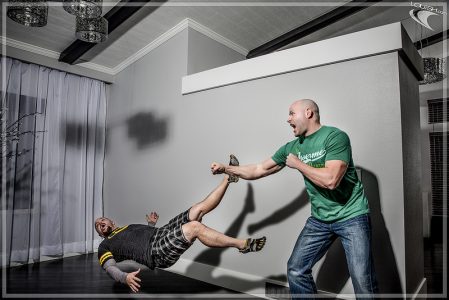
For new writers, throwing in a few combat scenes can seem like an easy way to add some excitement to a novel, but the reality is that violence can be incredibly difficult to pull off effectively.
Taste is not static. Rather than a fixed endpoint toward which one toils away, it’s a target that moves over the course of a lifetime.
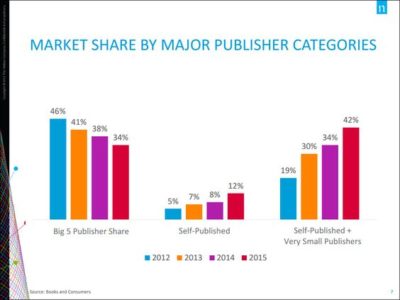
Discussions about the “resurgence” of print and the comeback of independent bookstores amounts to wishful thinking, not an understanding of the industry.
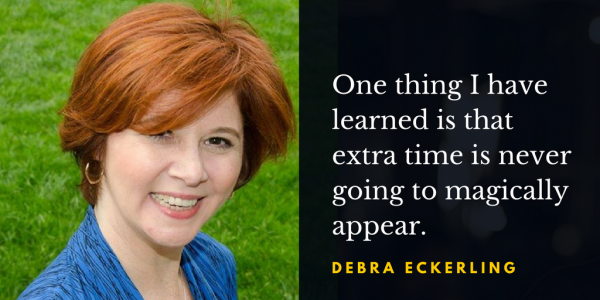
Debra Eckerling (@WriteOnOnline), founder of the writers’ support group Write On!, discusses common writer challenges, the value of blogs, what it means to take writing to the next level, tragic networking mistakes, and more in this 5 On interview.

All three paths to producing emotional responses in readers are valid, but all three have pitfalls and can fail to work. To successfully use each, it’s necessary to understand why each is effective when it is.

If you’ve given up on the self-publishing route and want to try traditional publishing, then there are several approaches you can take to interest agents.
Is it better to have a long or short book description on Amazon? What should go in the first line? How do you research appropriate categories and keywords? Learn principles and tools to master the power of descriptions and reach your target market.

Unlike pure fiction, nonfiction is grounded in the real world, with real people, real names and real places, and this inevitably creates an environment where a legal misstep can occur.

In this post I regularly update the best resources I know of related to learning to publish an ebook, finding the right distributors and services, and staying on top of changes in the industry.

When I ask most clients what their goals are in hiring me, I usually get some version of “to get more followers and sell more books.” I encourage them to think both bigger and more deeply about social media.

Sometimes that first draft is never going to become a final draft. That doesn’t mean it’s a waste, though.
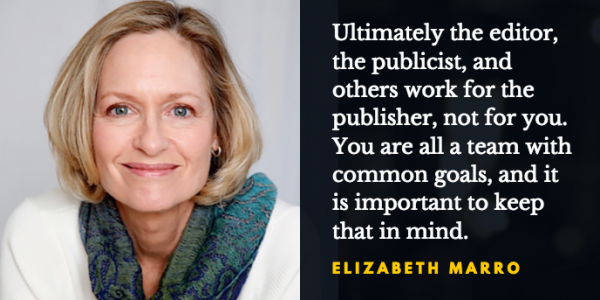
Author Elizabeth Marro discusses literary vs. commercial fiction and what she learned from the sale and marketing of her first novel.

The Mall of America residency isn’t going to be an appropriate opportunity for even a majority of writers. But it’s the right opportunity for someone.

Established writers can’t often—and probably shouldn’t—publish far outside of their area of expertise. It’s a fast way to alienate your existing fan base. But crowdfunding allows you to experiment outside of your genre for a project you want to see out in the world.

While you may wish to run your writing class completely by yourself (and I recommend it), you may also want to consider partnering. Here are the options.

Did you know Amazon’s print book sales grew by 15% in 2016—and the gain was primarily driven by Amazon’s own discounting on print?
A course’s success depends on anticipating and understanding the needs of writing students and producing the outcomes they most desire.

In my latest column for Publishers Weekly, I discuss the potential of online education for book marketing, particularly prior to publication.

The most important thing any author needs to know about book distribution is that more than half of all book sales (regardless of format) take place online.
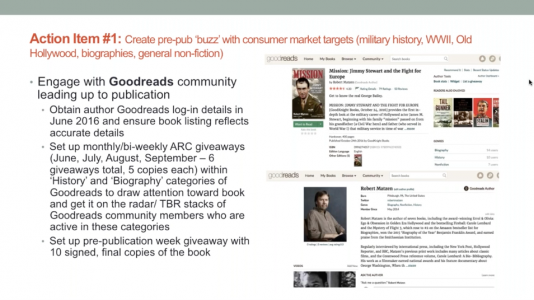
Sarah Miniaci at Smith Publicity and Kristina Radke at NetGalley review the marketing and publicity strategies that can help increase your book’s discoverability, word-of-mouth, and reviews, using NetGalley and Goodreads in particular.

In 2015, Kindle Press published about 90 novels. By the end of 2016, it had published a total of 218 books—all chosen through the Kindle Scout program.
Pronoun works with independent authors to distribute their ebooks to the five major online retailers: Amazon, Apple, Barnes & Noble, Kobo, and Google Play. Pronoun charges authors nothing upfront, and doesn’t take a cut of ebook sales either.

There are advantages to selling ebooks only through Amazon, and makes most sense for authors who are just starting out or who are relatively unknown.

Sometimes endings are designed to satisfy, answering the questions posed along the way. Endings that allow you to leave as easily as you came in. But what if the ending isn’t designed to satisfy?

Is it better to look for a literary agent first, or to approach editors and publishers? Much depends on the commercial potential of your work.

Every year, I share hundreds (even thousands) of articles and reports on book marketing. Here, I look back on the best of what I found in 2016.
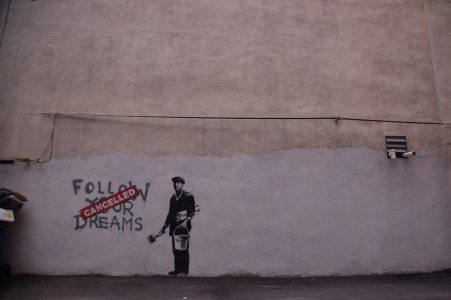
If you’re preparing to pitch your nonfiction work to agents or publishers, you may have heard about the necessity of platform. What if you don’t have one?

Amazon offers two ways for authors to advertise ebooks at their site. Learn how to smartly set up and manage product display and sponsored product ads.

A round-up of important 2016 publishing news and trends that will affect authors in the years to come.

On the last day of your retreat or on your way back home, pose this question to yourself and take it seriously: How can I take the way I’m feeling home with me?

Productivity is certainly one goal of a retreat. But there are other desired outcomes, such as returning home rested, relaxed, and energized by the time away.
Learn about four tensions you may experience that have the potential to undermine your creative work and leave you feeling stuck.

How a self-publishing poet achieved visibility for her book—and landed a book deal with traditional publisher Andrews McMeel.

There is one secret ingredient to crafting a novel that readers will read from beginning to end. All the other elements are important and necessary, but they play supporting roles to this one.

Why must writers schedule time for residencies and retreats? Because in doing so, we honor an annual appointment with writer self-care.

Defining a “hybrid publisher” is difficult; you will hear different descriptions depending on who you ask. Here’s what you need to know to evaluate one.

It’s sometimes easier to cut a piece of writing if you can’t see how to fix it. Just remove the offending bits, job done. But it can deaden a piece.

There are many analogies drawn between writing and sports: exercising your creative muscles, learning to go the distance, pushing up against your limits.

Every reader starts a story cold, and you want to warm the reader up to your story as quickly as possible. Learn proven techniques for story openings.