
The Other Pitch Packages Authors Should Prepare
When soliciting blurbs or appearances on podcasts, its important to convey—in just a few lines—what you and your writing are about.

When soliciting blurbs or appearances on podcasts, its important to convey—in just a few lines—what you and your writing are about.

An experienced author of advanced age considers the value of tackling a memoir with resonant themes but a challenging road to publication.

Advice on getting your foot in the door as an on-air expert, from someone who spent two decades booking authors for TV appearances.

Identifying and bolstering your story’s theme can develop a layered narrative that resonates with readers on conscious and subconscious levels.

To make readers care, you generally need to get three things on your novel’s opening pages before the inciting incident arrives.

This author didn’t think of herself as a humor writer until her readers told her otherwise, so she dug into what makes her work funny.

When a query letter receives conflicting feedback from professionals, how does an unpublished writer decide what to believe?

Many people argue using bad-faith tactics. Much more difficult is to engage the best ideas we disagree with, and explain our opposition clearly.

Whether you’re a plotter, a pantser, or something in between, a little planning can help prepare you for the challenges of writing multiples.

An author who self-published before the current tools existed offers some thoughts on the mindset required to succeed in this business.

Reading like a writer, focusing on the craft and mechanics on the page, will offer insight to how beautiful and meaningful novels are made.

Writing an opinion piece about a topic in the news or in the zeitgeist is a way for even inexperienced writers to get the attention of editors.

An independent author wonders why two publishing services companies sell their clients’ books at different prices than Amazon.

Readers of your work create their own idea of you that is, in a sense, a fictional character. Explore voice by leaning into that fiction.

Self-publishing authors may end up as collateral damage in the rising tide of AI-generated books appearing at major online retailers.

Understanding how your memories work, and what to do with the less reliable ones, will help you with the meaning-making process.
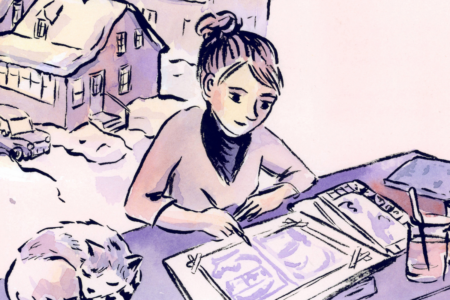
While artists don’t necessarily need an agent to get into comics, these tips will help graphic novelists seeking traditional publication.

When choosing comp titles, try envisioning your book as an entry on a family tree to help identify both close and distant relations.

One author believes that celebrating your rejections is part of how you take your power back.

An expert discovered that the accepted best practices for Facebook ads were driving down results, so he forged a new methodology.

When a book is being pitched as a murder-mystery with comedic undertones, it’s important to seed those elements in the opening pages.

Amazon and Goodreads must take steps to combat the flood of AI-generated content that will mislead readers and damage author reputations.

Today is the day you start building financial habits to acknowledge the inherent monetary worth of your writing.

As authors, how do we make social media work for us? Here’s how one history nerd used the power of TikTok to create a community of readers.

Memoirists must make conscious decisions about time—the time frame of the story and where in time you are standing while telling your tale.

Character arc isn’t created from a patchwork of different issues. It’s one clear thread that runs the whole length of your novel.

Writing a compelling first-person novel requires creative ingenuity, extraordinary empathy, and a boatload of courage.

If you’re struggling to shape life experiences into a story, consider key points that illustrate a common thread, as if preparing a TED Talk.

If your query letter isn’t standing out from the pack, consider leading with what makes you, not your story, compelling.

Goal-setting is much like the Alcoholic’s Prayer: accept what’s beyond our control, assess what we’re able to change, and know the difference.

Embracing the You in your story can feel frightening, but it’s the best way to craft a novel that is truly unforgettable.

When we let the reader fill in our intentionally left blanks, or “gray space”, we invite them inside our imaginary worlds.

While a newsletter might not sell your book, writing one can change your work for the better and help build valuable relationships.

Like clothing, writing advice should be tried on to see if it fits you and your writing life. Here are five tips for assessing what works.

When writing thriller, authors must understand our villain’s motivations, end goals, and progressive, logical actions toward that goal.

Owning and protecting your publishing source files is one of the most important things a writer can do to protect their writing asset.

Readers don’t want to start a memoir already knowing the ending, but it’s important that your pitch specifically defines your story’s scope.

The average visitor spends on average 54 seconds on a webpage. Here are some tips to help turn visitors into readers, buyers, or subscribers.

Used well, deep third can be one of the most intimate, engaging, revealing ways for readers to viscerally share your character’s world.

If you sit down to write and find that you can’t, the typical reason is that you don’t know what job the chapter is supposed to do.

Stories with a real sense of meaning don’t merely stand out in the slush pile—they’re the types of stories that make for a better world.

The process of finishing a book is a victory in itself. But it might be your “practice” book, and the world is waiting for what you write next.

Engaging with generative AI in a way that enriches human creativity, you can take your writing further than you might have on your own.

What do you do when a teen in your life is a diehard writer? When they won’t clean their room and just want to write stories or poems all day?

Working hard isn’t necessarily a virtue if it masks the ways that we might be sabotaging our own paths to success and fulfillment.

A little planning and reflection will help your website be a project you sustain, rather than discard like a half-baked draft.

No matter what language our characters are speaking, writers should strive to express dialogue and inner thoughts in a naturalistic way.

With these four elements you’ll be able to create a more compelling protagonist and, as a result, a more interesting story.
An amateur historian finds that her passion has led to enough expertise and authority for her book proposal to be taken seriously.
Here are some tips on what to do before approaching a published writer with questions about how to get your book published.