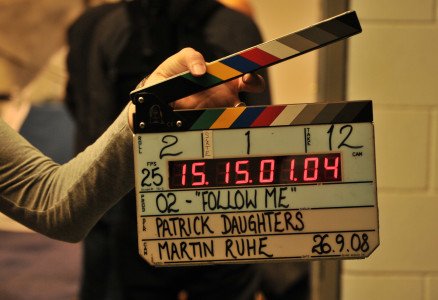
How to Sell Your Screenplay (for Absolute Beginners)
Wondering how to sell your screenplay? Learn the most common paths to production for a first-time screenwriter.

Wondering how to sell your screenplay? Learn the most common paths to production for a first-time screenwriter.

Author Carol Bodensteiner answers the seven questions she gets most about working with Amazon Publishing.

Brooke McIntyre of Inked Voices explains what to look for in a critique group and how to find the best writing critique group for you.

Jane discusses building a digital presence, querying 15 years ago vs. now, agents vs. self-publishing, crowdfunding, and the future of publishing.

Blogger Tania Strauss of NY Book Editors discusses whether you should outline your novel before beginning to write.
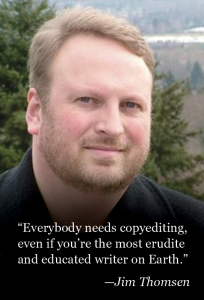
Editor Jim Thomsen discusses freelance editing, story craft, favorite authors, and his own authorial aspirations.

Blogger and author Nina Amir explains how to turn your blog content into books and other information products.
The personal essay can provide an artful account of earned insight often more useful than years of therapeutic work.
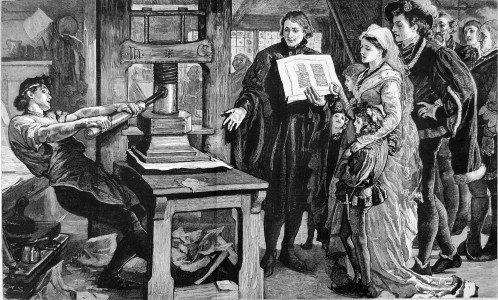
More than 90% of young people say they want to write a book some day. So why does that inspire such cynicism among adults?

Thriller author Todd Moss describes his own marketing efforts and the marketing efforts of his Big Five publisher, Putnam, for his book The Golden Hour.
Should literary writers consider self-publishing? How it might affect their long-term careers? Two agents weigh in.

Learn about the likelihood of securing a traditional book deal after self-publishing.
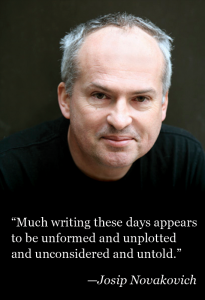
In this interview, Josip Novakovich discusses expectations vs. reality, the role of writing instruction, trends in writing, and more.
You’ve probably heard the adage that you must begin your novel with action—even if it’s not the main action of the book. While this rule is fairly well-accepted in fiction teaching circles, not everyone agrees with it.
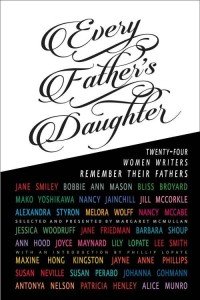
Publishers rarely see any money in anthologies and frequently reject them. But one author was still able to find a home for her project.

Literary journals have done little to move beyond their gatekeeping function, and cling to a scarcity model that no longer works in the digital age.

What does it mean to “engage” with a community? And what’s the benefit?

As a teenager, I looked on my mother’s files with disdain and, later, with pity. How sad, I thought, to just move papers about and never really do the things you want to do. How tragic, to lock up a life in a box.
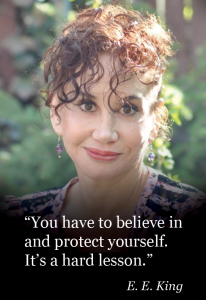
In this interview, author E. E. King (Elizabeth Eve King) explains her approaches to writing, humor, marketing, and publishing.
When we talk about plot as separate from the characters, the symbols, the locales, the dialogue, and the philosophical introspection, what we are doing is privileging events over everything else. But nothing exists in a vacuum.
If you can’t portray someone you know personally in a positive fashion, you will probably lose this friend and/or be sued for libel.
Consider the story or message you wish to share, rather than focusing on the container.

More writing does not necessarily equal better-quality writing, nor does faster writing lead to faster achievement of your goals.
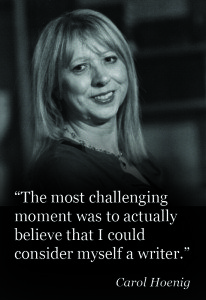
In this interview, author Carol Hoenig explains what makes an author attractive to the media.

My website (JaneFriedman.com) has been named a 101 Best Website for Writers by Writer’s Digest.
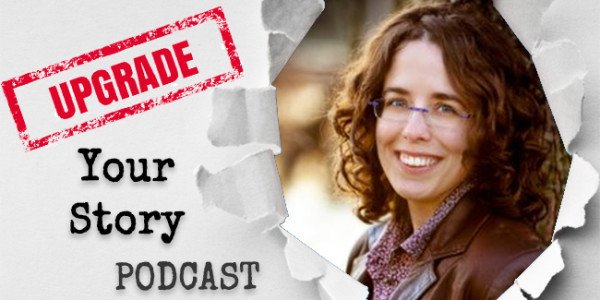
In this latest podcast interview, I discuss understanding your business as an author and expanding your personal brand beyond just book sales.
Robert Kroese reveals the process that allows him to write up to three books per year, and how authors can increase their sales potential.
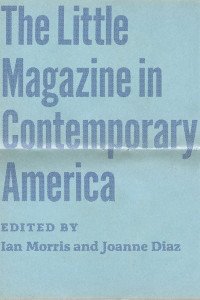
I’m a proud contributor to an anthology releasing this week from University of Chicago Press, The Little Magazine in Contemporary America, edited by Ian Morris and Joanne Diaz.
Rejection is rarely personal—but it still hurts. So what do you do?

Learn how to improve the description of your book, and improve its metadata, when using Amazon KDP.

What is crowdfunded publishing? Learn about the two types of models now prevalent, plus the major services you can choose from.

If you need a place to start, then focus on talking about or posting about others you admire.

A group of literary authors have launched a limited edition box set of novels. How did they make the collaboration work?

Working with a small press is an option many authors never consider. It’s the shadowy middle ground between self-pub and a Big Five contract.
It’s nearly spring, and that means conference season is about to go into full swing! Here’s a list of online & offline events I’m involved in.

A traditionally published children’s author discusses how she’s launched a successful indie publishing effort in less than two years.
BookBaby founder Brian Felsen discusses the push against the gatekeeper and the prevailing belief that not being on top is synonymous with being a “loser.”

A specific and daily moment of self-reflection can revolutionize your writing by offering you a clear picture of your mental state, anxieties, and fears.

Writers flounder trying to figure out how to make their idea compelling enough to sustain a great novel. Here’s how to go from ordinary to extraordinary.

To inspire other people to engage in something that you’re concerned about, you have to avoid getting caught in the trap of writing with an agenda.
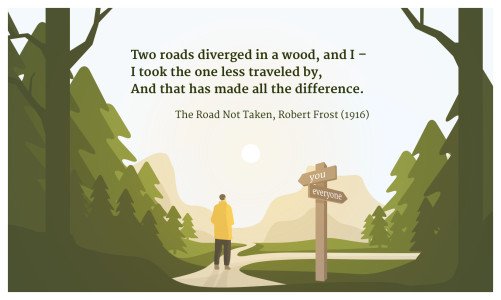
You can find marketing inspiration in what others have done, but also know that the less advertised “strategies” might actually be the ones worth pursuing.

Two literary agents offer their thoughts on the self-publishing of children’s books and what the future of the picture book might look like.

Build a bio that’s not only better than most you have read, but also compelling enough to attract the fans & clients you’d like to have in the first place.

Learn the rules like a pro, so you can break them like an artist.
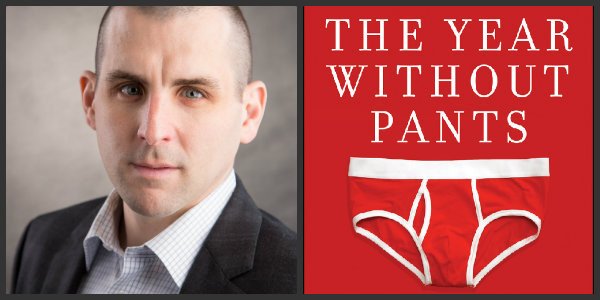
Full-time author and speaker Scott Berkun discusses his book marketing experiences as both a traditionally published author and self-published author.
Author Kathleen M. Rodgers discusses her approach to writing and reading, her self-promotion philosophy, and why she won’t self-publish.
Amazon’s Kids’ Book Creator allows the average Joe to create illustrated children’s books for the Kindle and upload them directly to Amazon.
In this interview, James C. Moore discusses journalistic vs. creative writing, finding time to write when time is hard to come by, and what being a New York Times best-selling author doesn’t mean.