So You Want to Write for Television?
Author and TV industry vet Greg White offers insight on how to write for television if you’re a beginner.

Author and TV industry vet Greg White offers insight on how to write for television if you’re a beginner.

David Corbett discusses the decline in our country’s writing skills, his personal approach to marketing, writing to the market vs. to the passion, and more.

Freelance writer Leslie Truex offers tips on writing for content mills, websites, and information portals.

Larry Brooks discusses how to create a concept for your novel that will compel readers (and agents and publishers) to read more.

Are literary journals justified in charging reading fees?

Editor and writing coach Susan Reynolds explains some of the common causes of writer’s block and offers some techniques for beating it.

In today’s guest post, author Maggie Kast (@tweenworlds) discusses the role research plays in the development and evolution of a historical novel.

Attorney and author Karen A. Wyle offers insight into using new attorneys in your fiction.

Writing coach and author Angela Ackerman discusses techniques for identifying and connecting with your target reading audience.
A few lessons I’ve learned after more than a full year of full-time freelancing
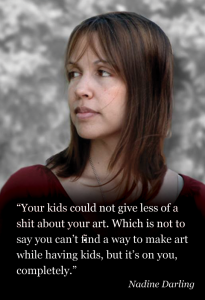
Debut author Nadine Darling discusses her revision and query process, blogging, writing with children in the house, and more.

3 ways to avoid long-term pain and suffering if you’re preparing to launch your first author website.

As publishing becomes increasingly digital-driven, how are the business models for authorship changing?

Writers may desire advice on how to better balance their writing lives and be productive, but few prescriptives are one size fits all.

Accessing the library market remains difficult for self-publishing authors, especially those with limited visibility. Here’s what authors need to understand before spending time and energy on library distribution.
Author and editor Chuck Sambuchino discusses promoting books, the talent writers need, and good writing advice.

Author Lisa Lenard-Cook explains when and how to use time shifts to heighten the emotional impact of your story.
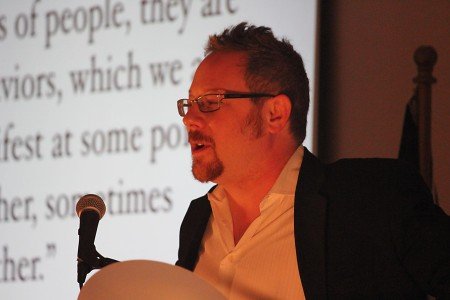
The visionary independent publisher discusses how to make money from writing, why books are not culture, and why it isn’t Amazon’s fault.

How do you build an online platform when you don’t have advice or ready-to-go insights (and don’t like offering either)?

Bo Sacks, a magazine industry vet, talks about technology, optimism, and what it’s like to put out a daily newsletter for 20 years.
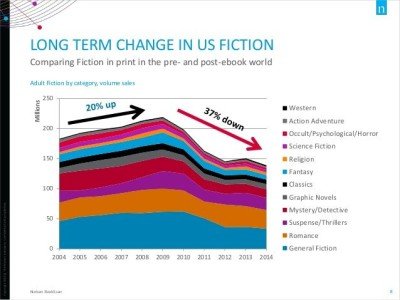
Take a look at 5 charts that reflect current trends in the book publishing industry, and what they mean for authors.
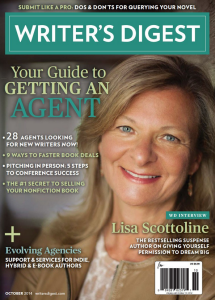
Read my feature article for Writer’s Digest magazine that explores the intersection of literary agents and self-publishing
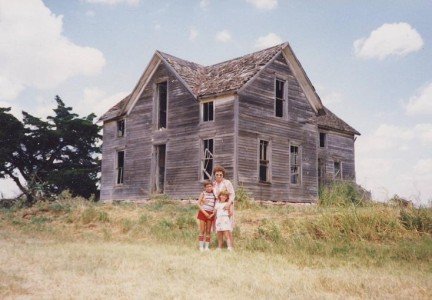
Poet and memoirist Benjamin Vogt discusses his own personal journey to learn his family’s history.
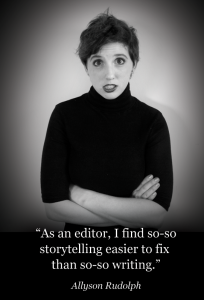
Allyson Rudolph discusses some of her favorite experimental fiction, the day-to-day life of an associate editor at a publishing house, common problems she sees in fiction and nonfiction, her commitment to increased diversity in media and the arts, and more.

Martha Alderson and Jordan Rosenfeld explain how to craft a compelling scene and when it’s okay to use summary.

Editor Jessi Rita Hoffman warns against the use of “stammer verbs,” words that cause an unnecessary halt in the scene.

How do you balance work on your art with work on yourself?
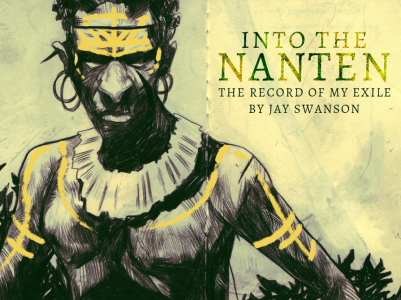
How an indie author turned a story concept into a full-fledged multimedia universe, including a live blog, illustrated journal, merchandise, and podcast.

Fair use allows you to use someone’s copyrighted work without permission. However, invoking fair use is not a straightforward matter. Learn the 7 questions to ask to help determine if your use might be considered fair under the law.

Essayist and professor Nell Boeschenstein discusses how establishing structure can liberate your writing.
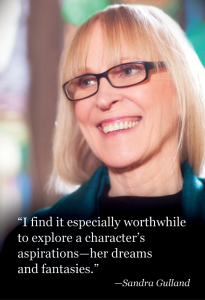
Sandra Gulland discusses the delicate process of blending of fact and fiction, the allure of unhappy endings, the publishing industry then vs. now, preparation for public readings/signings, and more.

Editor Gabriela Lessa explains how to use outlining to generate a strong voice for your characters.

To sell products and services directly through your website, here are a few services and tools to get up and running fast (no coding or tech help required).

Indie author Teymour Shahabi explains how to find an editor for the draft of your self-published book and what to look for in a good editing relationship.

Editor Jessi Rita Hoffman explains how to craft professional and compelling back-cover copy for your book.
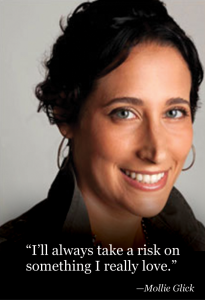
Literary agent Mollie Glick on what drew her to being an agent, what kind of query letter gets a quick delete, thoughts on chick lit, and more in this 5 On interview.

Author Barbara Baig discusses word choice and how it affects tone, voice, and clarity.

A growing number of authors with serious literary cred are finding greater financial success—and a welcoming community—in the romance business.

Alex Limberg discusses attaining the perfect balance between dialogue and description in your fiction.
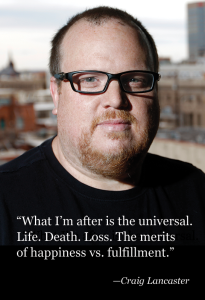
Craig Lancaster talks about his surprise success, what he learned from his most memorable rejection, why he gets so personal on social media, and more.
What authors need to know about the process of getting a book adapted to the big screen.

Asking an editor or agent to sign a non-disclosure agreement is not part of traditional publishing business practice.

How to improve the effectiveness of your email newsletter through very specific changes to your sign-up forms and content.
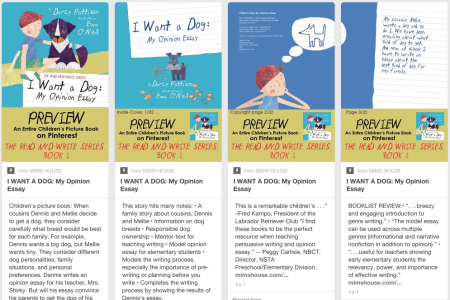
A children’s author shares her strategies for promoting her picture books on Pinterest—as well as what adult fiction marketing techniques haven’t worked for her.

Publishers use a P&L (profit & loss) statement to determine whether a book makes financial sense to publish. Here’s how they work—plus an example form.
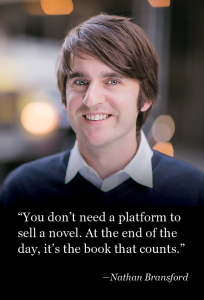
Author and former literary agent Nathan Bransford discusses (among other things) the ongoing emphasis on author platform, publisher and author marketing responsibilities, and in what way being a literary agent influenced his writing.

Writing groups can cause fatal frustration, deep self-doubt, and sometimes years of wasted effort. Learn the most common dangers of writing groups, and find out how to improve your group to give you more of what you need—and less of what you don’t.

You’ll find common myths and misconceptions about guns in thrillers, mysteries, and crime fiction. These tropes are easy to trip over, so avoiding them will help your credibility.
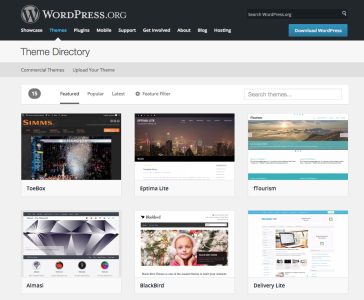
Here are 10 questions to ask before you choose a Wordpress theme for your site.
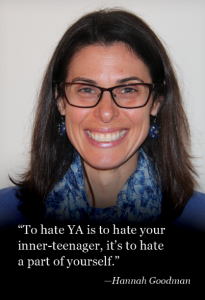
Author and writing coach Hannah R. Goodman shares her experiences in self-publishing and marketing YA fiction.