Internal Dialogue: The Greatest Tool for Gaining Reader Confidence
The greatest tool for gaining reader confidence is internal dialogue—because when a character reveals his thoughts, he’s confiding in the audience.

The greatest tool for gaining reader confidence is internal dialogue—because when a character reveals his thoughts, he’s confiding in the audience.

Author and writing expert Barbara Baig discusses the lessons about deliberate practice that writers might take away from Anders Ericsson’s book Peak: Secrets from the New Science of Expertise.
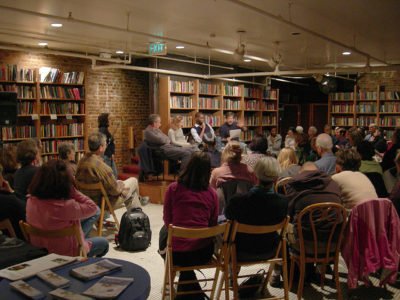
Every author dreams of having a successful book reading in a roomful of admiring fans. Yet too few actually spend enough time planning what they will say.

Novelist James Scott Bell identifies 5 common “rules” that writers would do best to ignore—such as “Don’t start your story talking about the weather.”

Writers can be like misers with their money when it comes to ideas—and ultimately that behavior can prevent you from producing great work.

Wondering why you don’t have more blog traffic—or if it’s worthwhile to continue your blogging effort? Here are the mistakes that commonly afflict authors.
Podcast producer Devon Fredericksen offers four tips for authors creating podcasts.
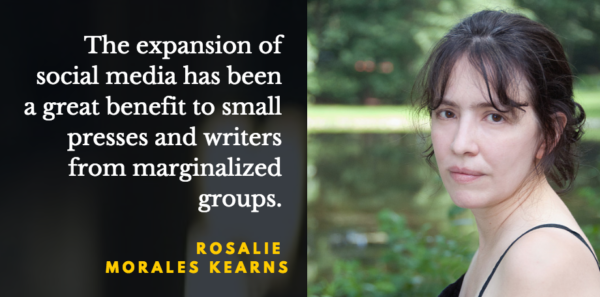
Author, editor, and publisher Rosalie Morales Kearns discusses why she started a feminist press (and what it takes to run it), favorite writing exercises, the deeply held interests that fuel her own writing, and more.
Learn about the various types of email newsletter that are sent by authors—with pros and cons of each—plus how to choose which type YOU should send.

Cover designer Alexander von Ness explains the value of a book cover redesign and walks through several cover redesigns and their goals.

Social media expert Chris Syme explains why less is more in social media, and how to make the most use of primary and secondary social media channels.

Should you self-publish? There is no single right answer to this question—it’s always situational. It depends on you, your book, and your career goals. This post outlines the key questions you should ask.

As a product of the human brain, writing is particularly influenced by emotions, moods, and worldviews. Learn how to create a mindset conducive to writing.

Get links to my latest interviews and Q&A sessions where I discuss the publishing industry as well as marketing and promotion.
Author R.J. Keller on the notion of the “second-book slump,” how she dealt with a book idea similar to her own beating hers to the market, why to write the things that scare you, and more in this 5 On interview.
Learn how to determine what genre you’re writing in and why it matters—plus the difference between commercial and literary.

Stuart Horwitz explains how you can complete your book in three drafts: the messy draft, the method draft, and the polished draft.

Think in terms of “telling details”: details that let the reader see your characters while also revealing something about their minds.

It’s the question I dislike the most from writers, and that I try to avoid answering—because it lays a terrible burden on me.
Author Massimo Marino discusses what it’s like to read science fiction as a scientist, his experience with the Booktrope publishing collective, the mission of BookGarage, and more.

The connection with your email newsletter subscribers starts much sooner than you think, in a place that many gloss over or ignore: your signup forms.

Over 70% of author crowdfunding campaigns fail, but you can beat the odds if you embrace your role as chief marketing officer of your book.
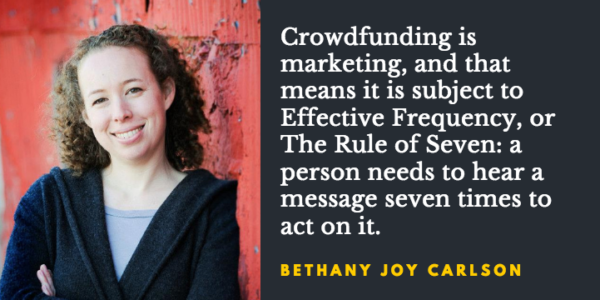
Jane Friedman interviews author Bethany Joy Carlson about effective crowdfunding campaigns for authors.

Author and ghostwriter Stacy Ennis discusses the process of working with a ghostwriter and how to know if hiring a ghostwriter is right for you.
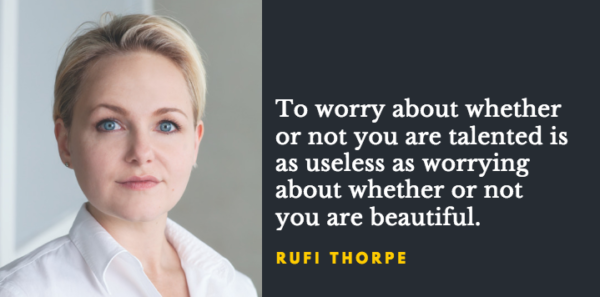
Author Rufi Thorpe discusses writing for men, her improbable path to publication, what she likes to see in a book review, and more in this 5 On interview.

If you’re considering WordPress as your platform of choice, here’s what you should know as you prepare to build on it.

Web design expert Ron Bueker discusses the pros and cons of using WordPress and Squarespace to build your author website and brand.

Online marketing expert Beth Hayden explains how to use guest blogging to promote your book.

Author and ghostwriter Roz Morris discusses the necessary characteristics for a ghostwriter, as well as who hires ghostwriters and why.
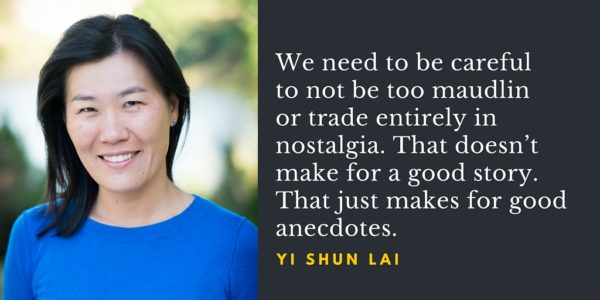
Author and editor Yi Shun Lai discusses writing for the J. Peterman catalog, common problems she sees in short fiction and short nonfiction, why she decided to start writing about being Asian, and more in this 5 On interview.

Much of writing advice boils down to: add more conflict. But don’t forget how happy lives can involve compromise and complication as well.

Award-winning author Jane K. Cleland explains how to implement the slow reveal to add suspense to your writing.

A plot planner enables you to keep the larger picture of your story in full view as you concentrate on writing individual scenes.

The advantages of walking are well-known and long-heralded. Likewise delightful, the urban perambulatory habits of the flâneur. Less heralded perhaps are the practical creative benefits of stretching one’s legs with neither exercise nor aimlessless in mind.

Author and publicist Fauzia Burke offers tips and resources for doing your own internet book publicity.

Kirsten Oliphant details how to find, create, and edit branded graphics for blogs and social media.
Learn how you can prepare for the future of publishing in this free workshop by Jane Friedman.
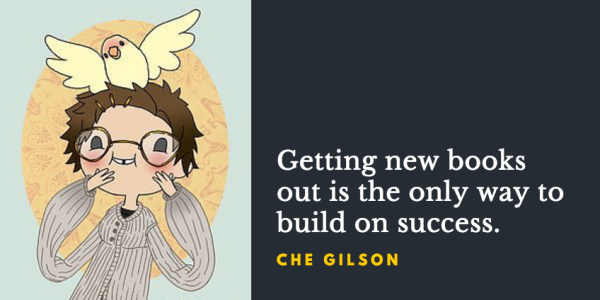
Author Che Gilson discusses what she as an unagented author learned to look for in publishing contracts, designing your own cover art, the necessity of continually creating new material, and more.
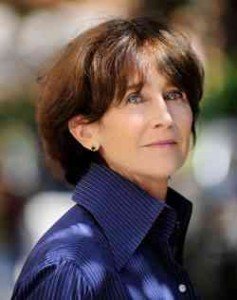
Write about the things you can’t forget, the things that keep you up at night.

The problem is not whether print will survive, but how literary publishing adapts to a world where to publish something has lost value.

Every author is told to start an official Facebook page. But what if you stick with your personal profile only? Learn the advantages and disadvantages.
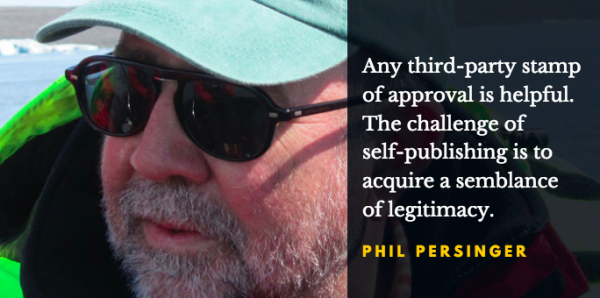
Philip B. Persinger discusses his attraction to sonnets, the broad art of writing and selling a play, why he published his latest novel with Amazon, and more.

For a love scene to move readers, it must embody the principle of restraint—in dialogue, in description, and in the characters’ actions.

Author Ken Brosky discusses his Kindle Scout book deal and his and Amazon’s marketing plans for The Proving.

What authors need to know about current marketing practices and emerging business trends in the book publishing industry.
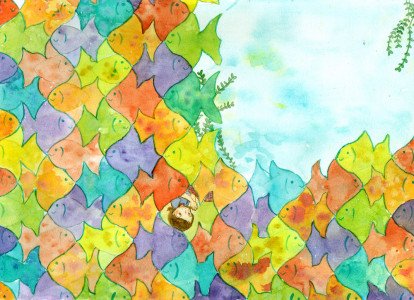
Author Emily Grosvenor explains how she has constructed a Kickstarter campaign for her children’s book, Tessalation!
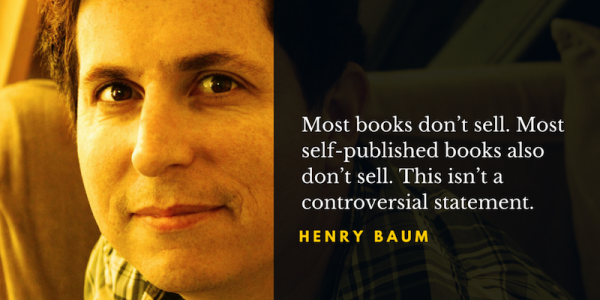
Author/songwriter Henry Baum discusses self-publishing services, the value of a paid review, why he started his own self-publishing service, and more.
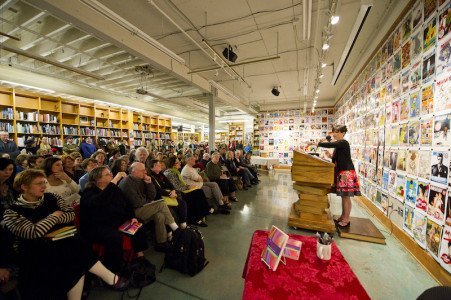
Author Gigi Rosenberg describes how she redesigned and relaunched her author website primarily on her own, only hiring assistance at the end.