
Weaving Flashbacks Seamlessly into Story
Flashback is a powerful tool for weaving in important backstory—but as with any power tool, using it well requires knowledge and care.

Flashback is a powerful tool for weaving in important backstory—but as with any power tool, using it well requires knowledge and care.

Children aren’t miniature grownups. When writing a story with a child character, take time to really listen to how kids of that age talk.

Identifying the right platform for you comes down to your personality, what you like to do and, most importantly, what you want to achieve.

You don’t need to be famous or a tech guru. All you really need is an Instagram account, a PayPal link, and something to offer your audience.

You don’t need to start strategizing newsletter content or setting a delivery schedule in order to begin building your email list.
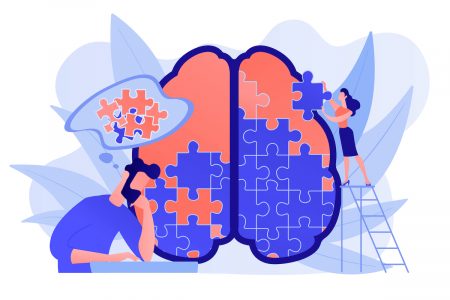
Setting an idea or draft aside for “percolation” allows the brain’s subconscious to arrive at insights while we’re busy with something else.
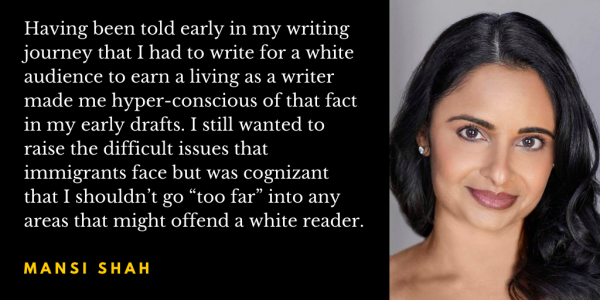
THE TASTE OF GINGER author discusses challenges in her quest for publication, writing about the immigrant experience, and much more.

To survive and be happy in a creative career, focus on WHAT you’re doing and WHY—and have faith that everything will work out in due time.

For horror writers, here are some ways to frighten a reader so badly that they text someone at midnight saying, “You have to read this!”

What makes a memoir suitable for YA or middle-grade readers isn’t shying away from tough topics but approaching them with a child’s eyes.

It’s difficult yet important to develop enough confidence in your work that you’re not sunk every time someone dislikes it and says so.
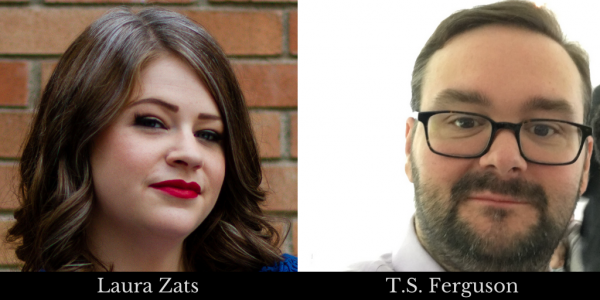
Two literary agents discuss the usefulness and limits of assigning a genre to writing, and how it’s perceived by publishers and readers.

Writing sustainably about trauma requires practicing moderation, focusing on meaning, and working in ways that limit your exposure.

How to put your best foot forward, from the new book PITCH LIKE HOLLYWOOD: What You Can Learn from the High-Stakes Film Industry.

Defining your why, who, what, and how is the start of writing a powerful thought leadership book that conveys your vision and impacts lives.

For freelancers, forgoing social media can mean giving up crucial visibility. But it can also provide time to focus on being a better writer.

If you’ve been seeking external solutions to your writing problems, these internal shifts might have a more profound effect on your progress.

Writing about trauma isn’t like ripping off a Band-Aid. Here are some strategies for assessing whether you’re ready and proceeding gently.

Imbuing a character’s story with your own life experience—the good, bad, ugly and transformational—unleashes your book’s full emotional power.

One key to compelling fiction is in how details are conveyed. Not everything warrants description—only details that matter to the character.

When an author’s death leaves a manuscript unfinished, her husband tries to put together the pieces and complete the book.

One author considers the power that writing conferences have to inspire—and to discourage—their audiences.

Well-constructed stories, snappy dialogue, and surprising twists can all contribute to a book’s chance of being chosen for adaptation.

Learn best practices for online book events, regardless of the platform you’re using.

Cause and effect plotting is every bit as important to literary fiction as to genre fiction or thriller; it’s just expressed in subtler ways.

One author shares how creation of a daily writing routine has made all the difference in attaining her goals.

When writers seek to humanize and bring their characters to life, they often fall into the “daily routine trap”: they overexplain the daily or mundane actions of their characters.

Instead of resolving to make a big change in your habits, think of one small thing to do to support your writing in the new year.

To achieve writing success—especially commercial success—requires an inner drive that pushes you forward no matter what feedback you receive.

Growth in the children’s market continues, especially for series and licensed characters. BookTok emerges as an organic social media boost for backlist YA.

What’s the difference between a story and a narrative that merely relates a series of events? The protagonist’s internal struggle.

A roundup of new publishers, imprints, agents, and agencies announced in 2021.
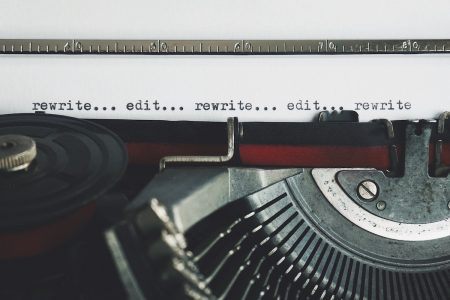
Receiving an R&R is good news, and a great opportunity to show agents or editors your revising skills and how you accept feedback.

Giving your book a good title that captures the essence of your story is one of the most important things you’ll do.

Promotion strategy for your book depends greatly on why you’ve written it, what it means to you, and its place in the larger context of your life.

Publishers need to closely collaborate with their authors if they expect that author’s large social media following to sell books.

A developmental editor is like any tool in your toolbox. Knowing whether and when to use one will help you get the most bang for your buck.
Perfectionism—the fear of risking failure—is anathema to the writing process, but can be overcome by establishing a different mindset.

A literary fiction author dipped her toe into Amazon’s serialization platform Kindle Vella. Here’s why she did it, and her thoughts so far.

What does creativity have to do with business? A lot, it turns out. It’s just a different kind of creativity than you engage with when you write.

One marketer offers an opinion about why the promise of NFTs will most likely not upturn the whole publishing industry.

Applying craft techniques—like complexity and telling details—is crucial to bringing our parents, and their humanity, to life on the page.

There are three main ways to create printed copies of your book. Which one you choose depends on your budget and goals.

This author is living proof that neither age nor lack of experience writing fiction are barriers to becoming a novelist.

Will you tell your story in a linear, chronological manner, or use a more complicated structure? Here’s how to decide what might be best.

Even the most high-profile influencers may be reachable if you make the right connections and take the right steps.

Character arc—a protagonist’s internal journey—is less obvious than the events of the plot, but it’s what makes a story meaningful.

Much remains unknown about NFTs but some in publishing think they might be revolutionary for writers, and indeed the world.

Your memoir’s structure can reveal itself later, once the primary elements are in place. In the meantime, concentrate on scaffolding.