
The Art and Purpose of Subtext
Subtext, the real conversation hidden by surface talk, can deepen the story with unpredictable outcomes and emotion.

Subtext, the real conversation hidden by surface talk, can deepen the story with unpredictable outcomes and emotion.

It takes grit to seek and implement qualified feedback, and to keep finding ways to improve a manuscript even after you’ve given it your all.
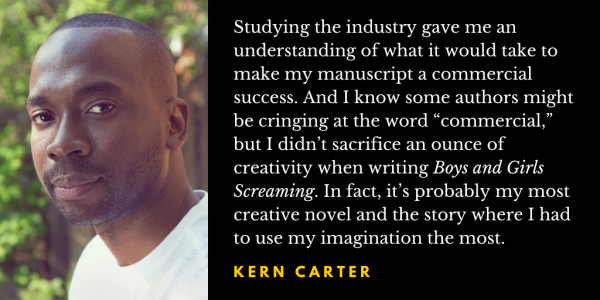
The Toronto-based novelist discusses his journey from self- to traditional publishing, marketing, the art and business of writing, and more.

If you’d like to see your work in national publications—and get paid—tailor your essay to smoothly fit their voice and mission.

A half-hour’s writing might yield only 500, 300, even a mere 100 words. But a half-hour’s writing over 7 or 8 months: a book’s worth of words.

Anticipation—“Will it happen or won’t it?”—keeps readers on edge, and we can make use of their need to know by building scenes that cater to it.

Why one freelancer believes that spending too much time at a computer holds writers back from producing their best work.

As writers, we often cling to certain myths that suck up emotional energy and reinforce practices that undermine the creative process.

When writing a prescriptive nonfiction book, anticipating doubts and objections lets your readers feel seen and keeps them on the page.

Two agents discuss the importance of retaining film rights, option types, author involvement in adaptations, and much more.

Skillful authors weave suspense and tension to draw readers through stories on a taut thread of unanswered questions and constant frictions.

Focusing on your “just right” reader—instead of trying to convey everything that every reader might need to know—can help combat overwhelm.

What’s between scenes is like mortar—necessary for your story’s structure, but not significant—and well handled using summary and spacers.

The author of “weird fiction” discusses why writers should never wait for permission, and the value of reading and writing for entertainment.

A little preparation—noting environmental details, character moods and motivations—will make a big difference in the way your scenes unfold.

Many successful authors maintain side writing careers, in less glamorous forms such as grant writing, copywriting, and ghostwriting.

“Making a scene” in public often happens spontaneously, but creating emotionally compelling scenes on paper requires considerable planning.

One author’s tips for performing your stories in front of a live audience.

Your novel’s external and internal parts must be intricately woven together to create a work that truly resonates with readers.

One of the best ways an author can learn their own storytelling craft lies in what we already avidly do: take in other creators’ stories.

Tips for avoiding stereotypes and tokenism, and presenting more interesting, complex, three-dimensional queer characters.

Memoirists have a lot of leeway in choosing a pitching strategy. But with freedom comes great responsibility, and it’s easier to get into trouble when there isn’t a tried-and-true formula to follow.

Providing feedback to every pitch would leave agents no time for their existing clients. Instead, check your own first pages for weak spots.

Beta reading for others can be a creative education. Lean into that, and your future books will be all the better for it.

As in any industry, business ethics are about a commitment to transparency and integrity. Here’s how writers can select a trustworthy partner.

Seeking blurbs—quotes and endorsements—is a task that most writers absolutely hate. Here are some tips that can get you closer to a yes.

Not all hybrid and paid-for publishers are the same, and picking the right option depends on every author’s own thorough self-assessment.

Thinking creatively about book events might allow you to align the things you care about with the time you spend on promotion.

Dedicated and even obsessive engagement with another creator’s work can open unexpected doors for your own writing.

Does my story matter? Is it good enough? They’re questions every writer asks, and the way to answer them is to connect to your why.

The early part of your memoir should reveal the short list of narrator flaws and problems you’ll resolve by the end of your book.

In times of sickness, cultural upheaval, and real existential threats, perhaps stories matter more than ever.

The pages of your journal can be a time machine, transporting you from the here and now to snapshots of your internal world, over the years.

Two authors who paid for a hybrid publishing deal reveal what they paid and what they sold.
A new report on paid-for publishing services, including hybrid publishers, highlights widespread predatory practices.

Your book’s ending must reveal the story’s resolution. Once you know what you’re resolving, you can establish a clear path for getting there.

By spending as much (or more) time weaving a dynamic Story as you do creating a flashy Plot, readers will walk away feeling satisfied.

Here are some of the many ways that a journaling practice can serve as a laboratory for your writing, and your life.
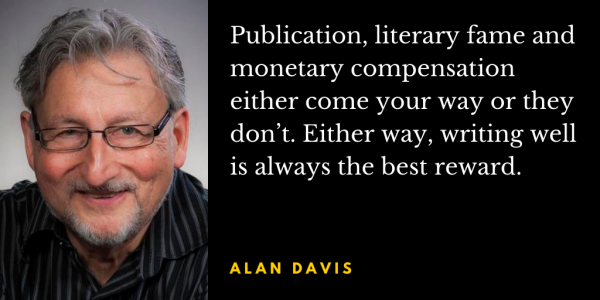
One professor addresses common questions and criticisms about MFA programs.

Brooke Warner, founder of She Writes Press, responds to a recent UK report about unethical practices in the hybrid publishing realm.

Not only can a journaling practice sustain and inspire your writing projects—a commitment to it can inform and improve your entire life.

A social media following doesn’t guarantee sales. Building an audience that’s engaged with your work—your mission—requires more varied tools.
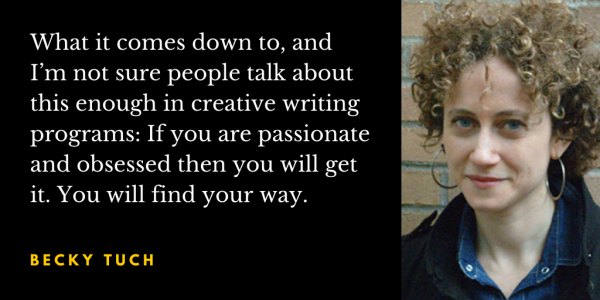
The publisher of the Lit Mag News Roundup discusses current trends, editor pet peeves, diversity, how to handle rejection, and more.

The more important and perennial a problem that a book addresses, the better the chances it will survive the test of time.

The imagery and symbolism in a tarot deck can help an author achieve clarity on character and story arcs, internal and external journeys.

Wanting to leave your writing group doesn’t make you a jerk. Departing with grace is an act of kindness that furthers your development and the friendships you cherish.

Many writers are told to blog or send an email newsletter without much idea of how to approach it. Here are the most common mistakes they make.

The real reason writing groups sometimes fail us has nothing to do with the lovely people in them. The failure is due to a mismatch between what you need and what the group offers.

University presses are not just for scholars, and many are far more open-minded than you may think.

A story intro that shows internal trouble, signaling the beginning of a character arc, makes agents and editors sit up and take notice.