
How to Get Out of the Writing Doldrums
When stuck in the doldrums, writing coach Mathina Calliope recommends “writer candy”—literary distractions that nourish the muse.

When stuck in the doldrums, writing coach Mathina Calliope recommends “writer candy”—literary distractions that nourish the muse.

Copy editors are known for perfectionism. But while there’s no end to the fussing you can do, there’s a limit to what someone will pay you to do it. In this guest post, CMOS contributing editor Carol Saller explains how to determine what your time is worth.

Perspective—gained from time and distance—can make the difference between an airing of grievances and a memoir that expresses deeper, universal truths.
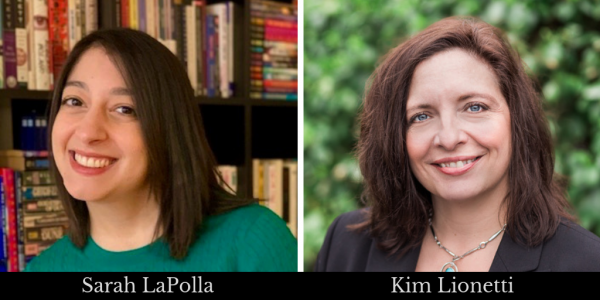
For some authors, a single book deal is validation enough. For others, it’s the beginning of a lifelong journey through en ever-changing landscape. In this Q&A, literary agents Sarah LaPolla and Kim Lionetti discuss what it takes to sustain a career beyond the first big break.

In this guest post, author and nonfiction writing coach Boni Wagner-Stafford explains why defining your objectives up front leads to a more focused and effective book marketing strategy.

Taking the time to add the skills of creative imagery to your writer’s toolbox will help you become a master of the emotional craft.

Imprints aren’t just for big publishers; any self-publishing author can invent an imprint under which to operate. In this guest post, consultant and author David Wogahn explains the many ways that an imprint can help your branding and marketing.

It’s been proven by research: reviews help drive book sales. And reviews on Amazon can help your book turn up more often in customer searches. So you want reviews—great reviews—but they need to be authentic. Here’s how to get them.
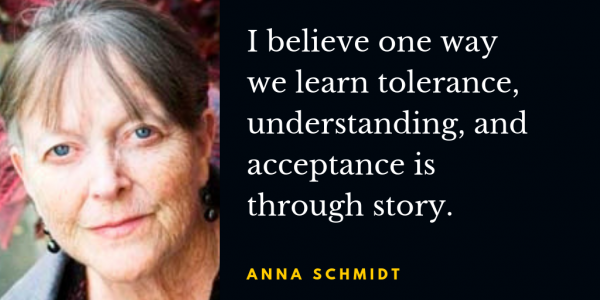
In this Q&A, Anna Schmidt discusses how she became a romance novelist, the nearly accidental way she acquired her current literary agent, her journey from successful romance novelist to self-published literary novelist, and more.

A ghostwriter discusses the novels she’s written for teens from wealthy families who pay up to six figures to bring their kids’ dreams to life.

Sometimes a story demands more than just a plot. You may want to create a context, a descriptive background that sheds light on a story’s meaning.

Writers always seek to produce a unique story—but this can lead to creating a character or story that is “different” sheerly for the sake of, well, being different.

Libraries represent a valuable opportunity for a book discoverability and sales, but librarians may not know your book exists without marketing outreach.
You’ve probably heard writing advice such as “Ass in chair” and “Write every day.” While the advice has its limitations, there’s a good reason it’s mentioned so often.

You need readers to love your novel—and finish it. Author H.R. D’Costa explains how story stakes can help you grow readership and sales.

You’re intimately familiar with the nature of your writer’s block, right? In this guest post, creativity coach and author Julia Roberts pinpoints specific tools, and how they helped her, to clarify and solve the real issue.

Sharing your in-progress book cover on social media to solicit meaningful direction is like throwing a bomb into the creative process.

Writer Nancy Jorgenson tells her story of surprise success in landing just the right publisher for her book—one she had never heard of.

Authors who want to sell their work must often do the marketing themselves, and some methods are easier than others. In this guest post, essayist, memoirist and short story writer Beth Alvarado discusses the ways and reasons why you should take an active role in marketing your own book.

Narrative is a form that can be learned, like a dance move or a golf swing. Alan Gelb breaks down narrative into four elements: The Once, The Ordinary vs. the Extraordinary, Conflict and Tension, and The Point.
The Indie Author Project identifies the best self-published fiction by state; thirteen states participate so far. This year’s national winner is Ran Walker.

Big-picture editing is a series of judgment calls. But how should those judgment calls be conveyed to the writer? Two rules stand the test of time: (1) Praise. (2) Ask questions.
There are a lot of publicists out there. How can you pick the right one? This is a crucial decision, so it needs to be approached with care.
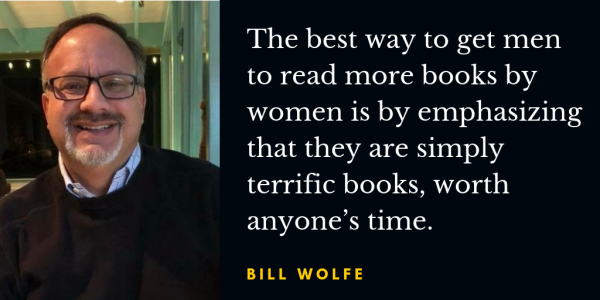
Is it still necessary today to encourage men to read women, or to shine a targeted light on female writers? Bill Wolfe says yes.

Reading your writing in public can be daunting, but the audience is your ally. Keep them engaged with these planning tips from public speaking coach James Nave and workshop leader Allegra Huston, co-authors of How to Read for an Audience: The Stuff Nobody Teaches You.

Which approach is right? Write only for yourself and in service of your vision OR write with an intended readership in mind.

Value is subjective, but readers like all consumers seek it. In this guest post, author Paulette Perhach explains how writers whose work earns income match their own sense of value to what their readers value.
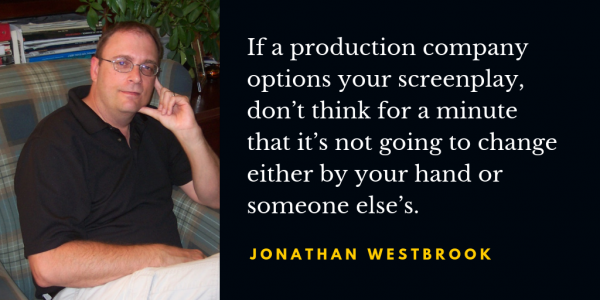
Writer and graphic designer Jonathan Westbrook discusses what it’s like to win an extraordinary screenwriting contest, then have that win fall through.

Even a well-published and successful author can have a difficult time finding a home for a memoir. Margaret McMullan discusses her path to publication.

In working on your craft, it’s one thing to find the right critique group. It’s quite another to know when to fly. Writer and librarian Lisa Bubert shares her experience, outlines her formula, and offers tips on leaving the nest.

Writing an essay that wins a contest is not an easy task, but it’s not impossible either. Tammy Delatorre explains the writing and revision process that has led to multiple contest wins.
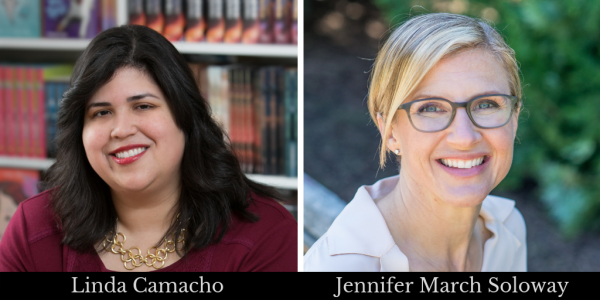
Good literary agents keep fighting for books they believe in. But how do agents decide which authors to rep? In this guest Q&A, literary agents Linda Camacho and Jennifer March Soloway describe their ideal projects and offer strategic advice for authors.

Social media use can drive book sales, but not all successful authors use Twitter. If you don’t want to be on Twitter, you don’t have to be on it. Digital services consultant and AuthorPop founder Daniel Berkowitz shares why Twitter truly is optional.

There’s a legendary joke about the writing life, often attributed to Margaret Atwood. It goes like this: A brain surgeon and a writer meet at a party.

Just like print editions, audiobooks have established outlets for marketing and promotion. Attorney and audiobook editor, director, and distributor Jessica Kaye tells writers and publishers how to make their audiobooks as highly visible and widely available as possible–without the use of advertising.

Rejection is painful, and there’s no avoiding it as a writer. But you don’t have to submit before you’re ready to deal with it. Writer and blogger Shana Scott offers some perspective on the conventional “publish or perish” advice.

Realism has its role, but don’t let it bog down your novel. The right balance of brevity, helpful details, and smooth flow preserves the story’s dramatic tension and keeps the pages turning. In this guest post, bestselling author Jordan Rosenfeld outlines the pitfalls that can bore your reader, and how to avoid them.
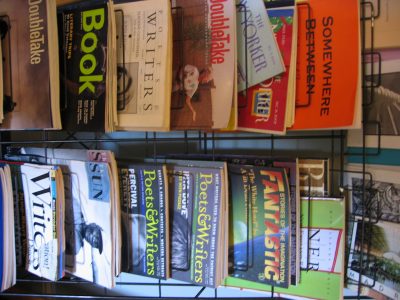
The commonly accepted strategy in literary journal submissions—”study the publications you submit to”—can discourage emerging writers. Here’s an alternative.

Successful writing for audio formats requires awareness of how a listener’s needs differ from a reader’s. In this guest post, playwright and fiction writer Jules Horne describes and illustrates key ways a writer can achieve listener attunement to the story.

Use of beta readers is widespread, but surprisingly little has been written about how writers actually use them and how they help—or if they do.

Learn a few simple tricks to schmooze like a pro at your next writing conference—or at least operate like a less awkward version of yourself.
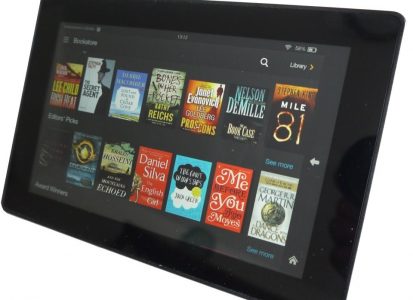
Amazon has updated its advertising tools for authors, with mixed results. Kindlepreneur’s Dave Chesson breaks down the pros and cons of the new advertising modes, improved dashboard, and better ad targeting in Amazon Ads.

The writers who visit you in class, when you’re still a student—especially if you’re young and impressionable—these writers stick with you for a lifetime.

When novelists struggle to pitch their work, it may have more to do with the book itself than the query letter. Editor and book coach Susan DeFreitas discusses three reasons why a promising work never lands a traditional deal.

Whether you start writing as a child or in your golden years, it’s never too early to learn about estate planning. You may wonder which is best, a will or trust, for bequeathing your written work. Both have their advantages. Here’s what you need to know.

Publishing relies on contractual relationships, but not all contracts are equally enforceable. Here’s what you need to know about forms of legal contracts.
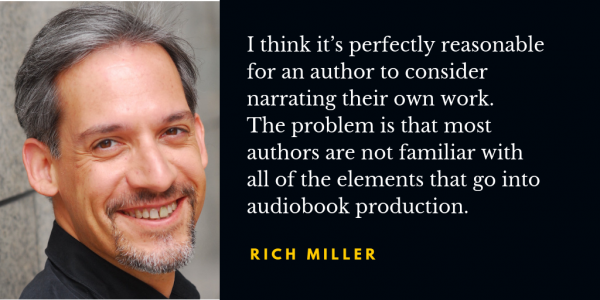
How much input should an author have when it comes to the narrator’s interpretation? When is feedback helpful, and when is it frustrating? What is a reasonable cost per finished hour of audio? An interview with Rich Miller.

You don’t have to choose between planning and “simply writing.” Do both, at different times, all the way through the novel writing process.

Here is a step-by-step guide to building an email list of thousands within one year—primarily through giveaways and Facebook ads.

Voice: It’s either there in the writing or it’s not. And some writers haven’t developed or “found” their voice yet.