The Differences Between Line Editing, Copy Editing, and Proofreading
New authors are often confused about what level of editing they need. Here’s some insight into the differences.

New authors are often confused about what level of editing they need. Here’s some insight into the differences.
The author discusses film adaptation, writing effective humor and natural dialogue, using a light touch with character description, and more.

For one unagented author, landing a publisher was a result of preparation, transparency, and a well-developed network.

A roundup of new publishers, agents, and digital media ventures (book-related) that were announced in 2020.

Book promotion newsletters are a dynamic component of the overall book industry, but their focus—and results—can vary dramatically.

When facing decisions in your writing, it helps to identify which questions have lower stakes and which ones are preventing real progress.

There’s nothing wrong with using multiple narrators in a first-person story, but it requires some serious background work.

One editor’s technique to add narrative tension, deepen characterization, and force you to think past the original boundaries of a premise.

Whether you’re an audiobook producer, a publisher or an author, here’s a breakdown of the rights needed to bring an audiobook to market.

When you’ve completed a draft but it’s falling a bit flat, it’s time for the Story Draft: creative work done technically.

Ebook pre-orders can be a great tool for KDP authors, but it might not be right for everyone—especially those without an established audience.
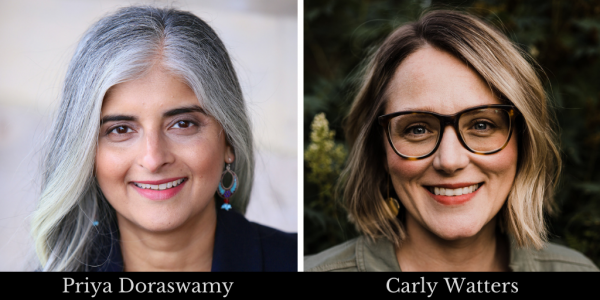
Literary agents Priya Doraswamy and Carly Watters discuss foreign rights, translation logistics, a book’s chances abroad, and much more.

As an author, it’s good to be a big fish in a small pond—but you’ll benefit even more if your pond is connected to a larger system.

Use of a big word can be beautiful, as long as it meets two criteria: it must be the right word and the best word.
When big publishers rejected a book due to marketing concerns, one author forewent an advance to work with an indie that saw potential.

The bestselling author discusses best practices for ads, how to keep your spending in check, the top three mistakes authors make, and more.

Emotional truth is the lens that allows us to see ourselves in a story, resulting in a heartfelt connection in a fictional narrative.

If your middle’s lost momentum, check to see if your plot, characters, stakes and suspense consistently propel readers along the story arc.

If you want to land a traditional publishing deal, then market conditions—and your position in that market—will affect your chances.

Virtual assistants take over tasks that you could do yourself. What you’re buying, in effect, is the freedom to use your time in other ways.

Though registration with the Copyright Office is no longer required for protection, there are still many reasons why it’s important.
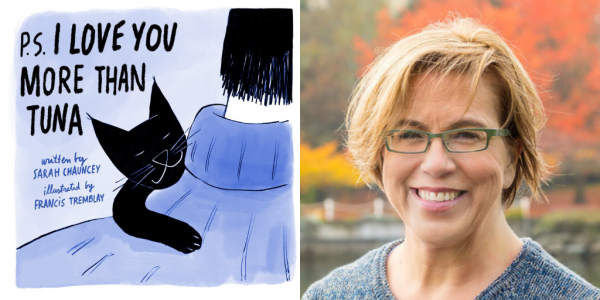
The debut author discusses writing an illustrated book for adults, platform building, and listening to the little voice inside.

Publication is elusive and in many ways out of your hands, but feeling seen is something that writers can offer each other right now.

Perseverance isn’t just about finding the right agent or publisher—it’s also about refining your work into the best version of itself.

Building a platform is akin to making friends at a new school: invite, engage, be helpful, share and, most of all, be your best self.

Let go of description, extra words, and clever exposition. What’s left is a tightly crafted nugget of concentrated gold—flash fiction.

Authoring a memoir, the gift of hindsight allows you to invest moments with deeper meaning than they may have had at the time.
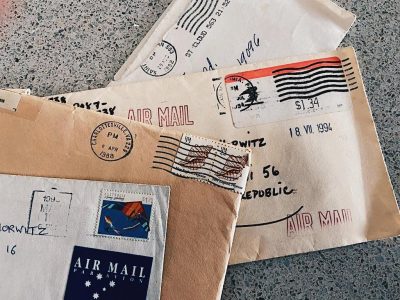
From Franz Kafka to Bob Dylan, history shows that letter writing can be a portal to discovery that benefits a wide variety of projects.
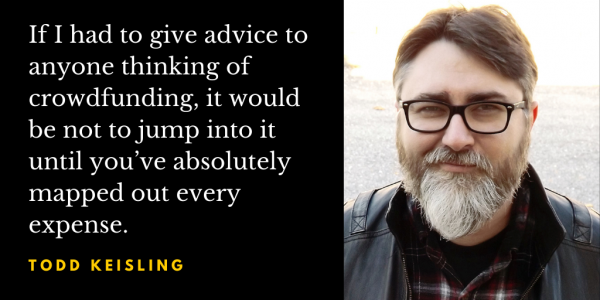
The horror author shares what scares him, the authors who taught him the most about the genre, crowdfunding, trigger warnings, and more.

Like pruning the extra sprouts out of a garden, sharper and tighter prose makes the details you keep stand out.

The Indiana author discusses publishing and promoting close to home, plus the logistical, ethical and legal issues around writing true crime.

The field is saturated, so many people wanting to tell their interesting stories. You wonder: Am I a good enough writer to keep doing this?

It’s now possible to fill every lunch hour and evening with book clubs and book festivals and live readings and more. Thus, even if you offer a creative and enticing online event, it’s hard to sell when so much content right now is available for free. Before you decide to run an online event, consider the following.

Amazon has changed, grown, and dominated more than any other company in the book publishing industry. Here are the key developments that authors need to know about.

The biggest bookseller in the United States has suffered a slow decline over the last 10 years. Can the business be turned around?

If you need to request permissions from an author or publisher, here are general guidelines, plus a sample letter you can customize.
A daily practice can only succeed if we’re 100% honest about our doubts and weaknesses, because one area of denial can scuttle the ship.

Writing can be a lonely process, and it’s easy to feel stuck. Editors and coaches can help identify the common problems—and their solutions.
Experienced editors look for a story so engrossing the reader forgets that he’s reading—story in which the author’s voice seems not to exist.

It’s hard work and there’s no magic formula to boost sales, but you’ll also find a passionate audience and a strong sense of accomplishment.

If you have a book idea or manuscript, one of your first questions is probably: How do I find a publisher? Here are the most popular, essential resources.

To gauge your manuscript’s pitch-readiness, turn a critical eye to the query letter, synopsis, and first fifty pages.

However you decide to publish, it’s unwise to rely on someone else to build your career, or to be responsible for growing your readership.

Despite the pandemic, getting that proposal off your desk allows you to shift your energy to platform—a bigger deal than most authors realize.
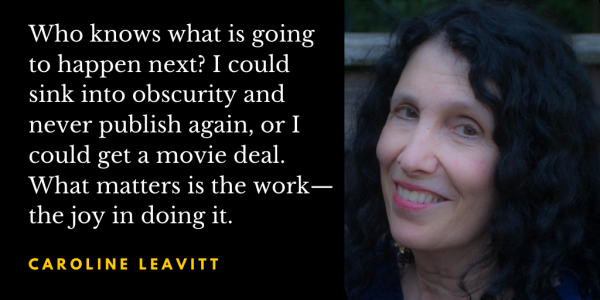
In this interview, the bestselling author discusses her indefatigable enthusiasm for writing, the importance of writers helping writers, and more.

Whether using a third-party service to conduct a giveaway or managing it on your own, it’s important to protect the rights of your entrants.

As much of the retail world faces crisis, book publishing is positioned to grow in terms of unit sales when compared to 2019. In fact, 2020 may prove to be one of the strongest sales years in recent memory.

When you’re starting out as a freelancer, it can be tempting to say yes to every project. But, as in writing, the key to success is often to go narrow.
Writing memoir won’t fix what’s wrong. But writing what you know will give you the kind of insight that begets a better sense of control in uncertain times.