Media outlets continue to report on tensions surrounding the book deal that Simon & Schuster struck with Mike Pence in March. Partly that’s because Simon & Schuster has continued to discuss the matter internally through town halls. Soundbites from those meetings leak to the press or onto Twitter, and employees have been speaking on the record about their frustrations. During one of these town halls (summarized at The New Republic), CEO Jonathan Karp framed the disagreement as a battle between social justice and freedom of speech. But as many people have pointed out, freedom of speech doesn’t mean “entitled to a multi-million-dollar book deal from Simon & Schuster.” Over at Vox, there’s a discussion of “Who deserves a book deal?” That article frames the question as both a generational battle and existential crisis for publishing.
The May 21 report in The Wall Street Journal (subscription required) has both CEO Jonathan Karp and publisher Dana Canedy on the record with their perspective on the decision. Karp’s thinking seems to have evolved away from freedom-of-speech arguments; instead, he said Simon & Schuster is committed to publishing a broad range of views and emphasized the compelling nature of the role Pence played in US history. “We don’t want to be a niche publisher,” he said. “The former vice president, who got 74 million votes, is representative of a broad range of people.” Later, Karp said, “A lot of people were deeply upset and threatened by the last four years and want the country to change.” He added, “They think by changing companies they can change the country.”
When asked why Simon & Schuster didn’t move ahead with publication of Senator Hawley’s book, Karp said Hawley’s actions “led to a dangerous threat to our democracy” and that the senator’s role in the events of Jan. 6 “brought widespread disapproval and outrage to him and would have redounded to us.”
Canedy, who is Black, told The Wall Street Journal she met with Pence to discuss the book deal and what the publisher would expect from him. “Everybody has the right to own their narrative and legacy, and he didn’t own it at that point,” she told The Wall Street Journal. “The Trump administration did.” She told Pence he had a right to tell his story—but that he would also have to answer in the book for how he is perceived by some racial minorities.
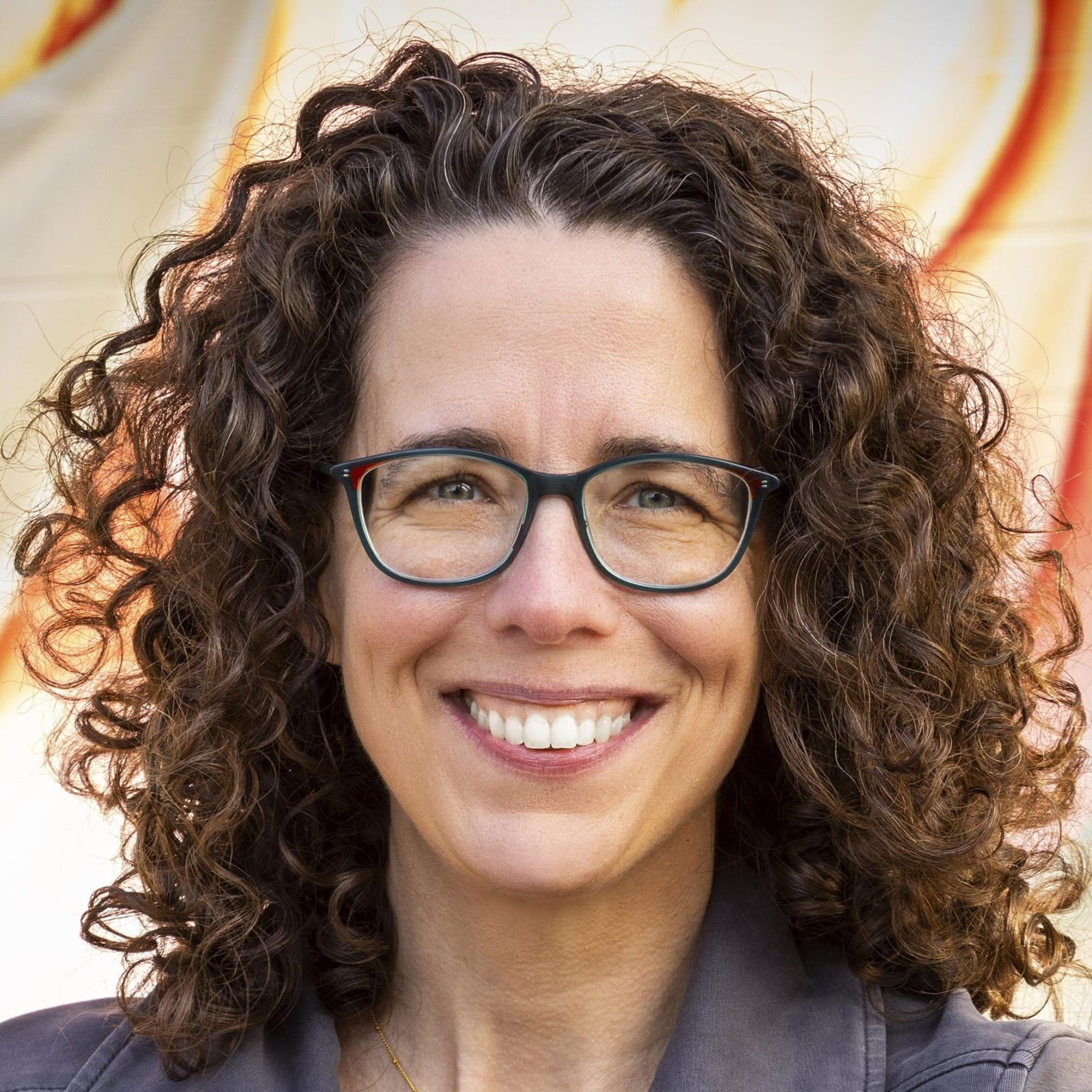
Jane Friedman has spent her entire career working in the publishing industry, with a focus on business reporting and author education. Established in 2015, her newsletter The Bottom Line provides nuanced market intelligence to thousands of authors and industry professionals; in 2023, she was named Publishing Commentator of the Year by Digital Book World.
Jane’s expertise regularly features in major media outlets such as The New York Times, The Atlantic, NPR, The Today Show, Wired, The Guardian, Fox News, and BBC. Her book, The Business of Being a Writer, Second Edition (The University of Chicago Press), is used as a classroom text by many writing and publishing degree programs. She reaches thousands through speaking engagements and workshops at diverse venues worldwide, including NYU’s Advanced Publishing Institute, Frankfurt Book Fair, and numerous MFA programs.