

Today’s guest post is by Allison K Williams (@guerillamemoir).
We’ve all heard the famous writing advice:
“I like to get ten pages a day, which amounts to 2,000 words. That’s 180,000 words over a three-month span, a goodish length for a book.” —Stephen King
“I only write when I’m inspired, so I see to it that I’m inspired every morning at nine o’clock.” —Peter De Vries
“Just write every day of your life.” —Ray Bradbury
Write every day. Build a habit. That’s the only way you’re ever going to finish a book, right?
Wrong.
I don’t write every day.
I don’t even write every week.
I’m a “binge” writer. With no children, pets, or family members who need care, I’m able to carve out 3–10 days about twice a year to do personal retreats, in a rental apartment or a hotel room. I try to pick places near grocery stores (snacks!) and where it’s easy to take a long, thoughtful walk between chapters.
My binge-writer friends with dogs and toddlers and aging parents try for a weekend or even an afternoon away from the house, with their phone off so they aren’t tempted to “check in.” It can feel weird to separate yourself so firmly from the people you love. But modeling dedication, focus, and commitment to a creative project is also good parenting!
Perhaps writing on a more regular schedule works better for you. You might have a job you enjoy, or students’ work to read, or be the primary keeper of your home life. You value regularity. Rhythm in a schedule helps you focus. Andre Dubus III wrote House of Sand and Fog 17 minutes at a time, sitting in his car after leaving for work 17 minutes early.
As writers, it’s tempting to agonize over the best system, or try to write with the pattern of a writer we admire. But it doesn’t matter which method works best for you.
All that matters is that you choose a project, write it, and ask for support.
Choosing
Narrow your focus. Most writers I know have at least two projects rattling in their head, and it’s difficult to gain the kind of deep, sustained focus writing needs when you’re switching from one world to another. Imagine you’re about to walk through a magic door. On the other side is a guarantee you’ll finish a book, it will sell, and people will love it (if only!). But you can only take one manuscript through the door with you. Which one?
Say a gentle “I’ll be back” to your other work, and see what happens when you focus on one.
Writing
Write on the schedule you want—but make that schedule. Notice how you work best, and work that way on purpose. Maybe you are a daily writer who loves the rhythm. Maybe you’re better at the last minute. If you’re a daily writer, block it on your calendar like a class you paid for. If you’re a binge writer, look ahead and choose the hours or days of writing time. Start accommodating that time now—clear your list, let people know you’re out of commission, block the calendar.
Asking
Having a writing buddy to show up for motivates me a lot. Sometimes I meet a friend to write quietly together on Zoom, or at a cafe. Sometimes I make a deal that I’ll send them pages each day I’m writing. They aren’t obligated to give any feedback, but knowing someone’s waiting makes me push a little farther than working alone. If you have children, ask them what they care about finishing—can you schedule family time where everyone is working on their own painting/dancing/video editing/writing, and you come together to report on progress? (Maybe give prizes for making it through a session without interrupting anyone else!)
As a binge writer, I used to feel lazy and fake, because of course a real writer would use their time better. They’d spring from their bed, rush to the laptop, and bang out their daily word count, just like a real job! And since I didn’t act like a “real job” I must not be a “real writer.”
Then I realized how I work. I’m not starting from nothing. I don’t touch my manuscripts every day, but I stay in touch with the practice of writing sentences and micro-essays on social media. I write most blog posts shortly before they’re due, but I know the rhythm of a post and what makes a click-y headline. I keep a long list of blog post ideas. Every day on social media and in my email, I see what writers care about, what challenges they’re facing, and I think about what advice will help, making notes for when it’s time to write.
As you fit your writing process into your life, enjoy the things you value that take time. Very often, I’m neck-deep in someone else’s manuscript, teaching a webinar, or leading a retreat. I love and value doing those things. And while we can half-ass the things we don’t value to make more time for writing (teach the kids to cook! stop answering email!), it’s harder to pull time and focus away from things we care about doing well. Remember that keeping in touch with your writing isn’t always sitting down at the keyboard to make that day’s word count. Sometimes it’s thinking through ideas in the shower, building up your story in your head, making notes in your phone or your notebook. Sometimes writing looks like typing, and sometimes it looks like keeping in touch with your world.
And fellow binge writers? There are plenty of “real jobs” that operate on the model of “have a baseline of skill and resources and then do it all at the last minute under pressure.” Surgeon. Firefighter. Pilot. And in my case (and maybe yours), Writer.
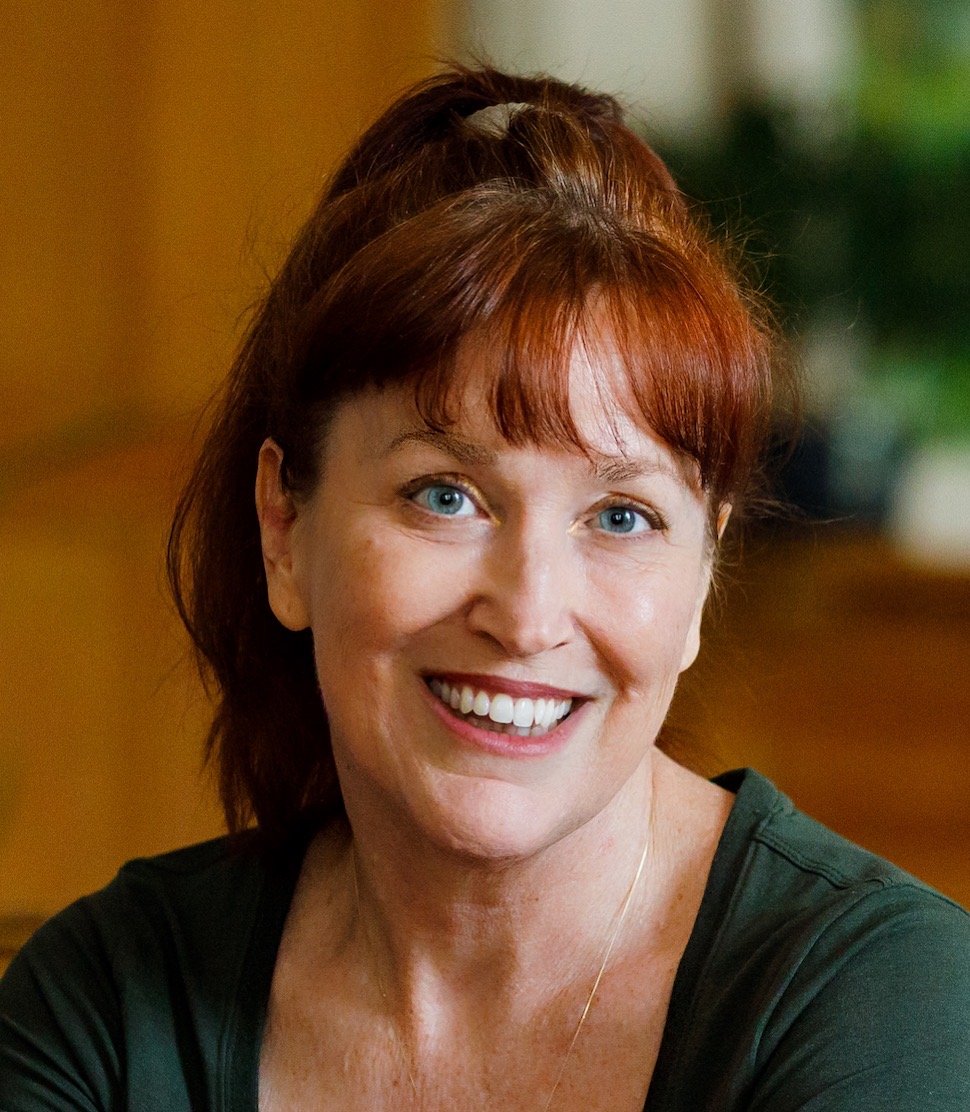
Allison K Williams has edited and coached writers to publication with many of the best-known outlets in media. As a memoirist, essayist, and travel journalist, Allison has written craft, culture and comedy for National Public Radio, CBC-Canada, the New York Times, and many more. She leads the Rebirth Your Book writing retreats series and, as Social Media Editor for Brevity, she inspires thousands of writers with weekly blogs on craft and the writing life. Allison holds an MFA in Creative Writing from Western Michigan University and spent 20 years as a circus aerialist and acrobat before writing and editing full-time. Her latest book is Seven Drafts: Self-Edit Like a Pro From Blank Page to Book (Woodhall Press, 2021). Learn more at her website.




Thanks, Allison. I’m always suspicious of rules that start with words such as “always” or “never.” We’re all different. Our writing styles are different. And our books should reflect that.
Kudos.
So true, Kathy!
Hear, hear! This insistence on daily writing seems to be generated by men, for men. (All quotes cited here – men.) Most of the women I know don’t have lives that are that structured. Our roles require a lot more flexibility.
I have nothing against men – just one size fits all advice. I loved hearing about your binge writing, Allison!
Cynthia, I hadn’t thought of it that way and you are so perceptive! I agree, this kind of advice doesn’t allow a lot of flexibility. Glad you enjoyed the blog!
Binge writer here! Thanks for the insight!
Binge writers unite!
Positive support always helps all artists for the record.
But I concur to making your own schedule and i always leave space for life or living which may not go to plan.
Nice post
Good call, Richard – gotta allow that flexibility!
All that matters is your book is as excellent as it can be. However long that takes and whatever road gets you there. The “write every day/X number of words a day” advice is tiresome and unrealistic. And I suspect produces mediocre work.
Certainly, everyone has to pick the method that give them joy!
Great post as always, Allison! You’ve inspired me to write my own blogpost about the difficulty of choosing between projects and I plan to quote you!
And that’s a great insight about male vs. female writers and the tyranny of the “write every day” advice. I did a 30-day experiment several years ago, with a group of graduate students, writing every day and tracking our wordcount and how we felt about it. I never missed a day but I found I wrote less and was less enthused than when I wrote less frequently and had more time for pre-keyboard thinking and daydreaming. Imagine that!
That’s such a great discovery! I discovered I was good with daily writing when it was meeting my friends in a cafe; not so good for NaNoWriMo. It felt forced!
Great to read this. I can edit every day at home but for first drafts binge writing at retreats is always what works best for me, especially if there are other writers beavering away nearby (but not in my room!)
I love having near-but-not-too-close fellow writers!
I loved this post! Thanks for sharing. It was very validating and freeing to pick the schedule that works for you. I’ve spent so much time trying to follow other’s writing work style/organization, etc. etc. That I just feel bummed and unproductive when it ultimately doesn’t work for me. And what I’ve finally figured out, is that even though it doesn’t seem like I have a writing system— that’s what makes it a writing system. Is that it’s totally unique to me and how I write/process information. So now I don’t spend time trying to follow someone else’s system, I still like to see/know how others work, but I take things from them that seem interesting and try to apply them to my system. If it works, great, if not, that’s fine too!
That’s the best way to do it! Tweak the method so it’s personal, feels good, and supports *your* way of working.
Thank you thank you. You have relieved my guilt – that’s been nagging at me for over 15 years – for not sitting down every day to write. I just – can’t. When I went through a writing program, daily BIC (butt in chair) was drilled into my head, and anything else was failure. But when I started going on twice-yearly writing retreats – a motel, a cabin, whatever – I found I could write an entire first draft of a long essay or short book in a couple of weeks. And that time away is mentally and emotionally reinvigorating.
Fellow binger, I salute you!
I’m kind of a binge writer. I agonize about it for days/weeks, then I settle into it and get stuff written very rapidly.
But one question: Does writing include editing? For me, the editing takes longer than the writing. Reading, re-reading, finding typos, correcting, tweaking, adding descriptive statements. I belong to a critique group. They give me feedback that I must deal with. And I must read theirs and give feedback. All this takes longer than writing.
And what about formatting? Since I self-publish, I can’t rely on some distant publisher to do all my formatting, I do it myself. Especially for non-fiction books with tables and graphs, this is a big job.
And what about cover design? And writing back cover copy?
And what about marketing and promotion–before and after you publish? What about my Amazon author pages, finding key words and tags? Writing blog posts to attract readers? Getting on podcasts?
I work on my books most days, but there are many things to do besides writing.
You’re right – we have so many other elements to creation! Personally, I consider editing time – both my own and responding to feedback – part of writing time. And I purposefully created a writing group that does not give each other written feedback, because it was so time-consuming!
I’d consider formatting, design, and marketing part of the job of being a writer, but not part of my writing, if that makes sense. For me, they are different mindsets.