

Today’s post is by author, attorney, and managing editor for Amble Press, Orlando Ortega-Medina.
When I speak to authors about promotion, I often find a common point of confusion: they conflate book promotion with author promotion, treating both as one and the same. In reality, they serve different purposes. And if you want your work to reach the readers who will value it most, you need to be thinking about both.
Book promotion is a sprint
Book promotion is what most writers think of when their manuscript is ready to launch. It’s a time-bound campaign that focuses on getting your book into the hands of readers, reviewers, booksellers, and media outlets. A strong book publicity push typically includes:
- Targeted review outreach
- Media appearances timed to release
- Virtual or in-person events
- Social media teasers and campaigns
- Paid promotions or giveaways
- ARC (advance review copy) distribution
This kind of promotion often ramps up three to six months before publication and extends a few weeks or months after launch. It’s focused, strategic, and fleeting.
Author promotion is the long game
Author promotion, on the other hand, is an ongoing investment in your identity as a writer and public figure. It’s about building an audience that’s interested in your perspective, not just your latest release. It involves:
- Publishing essays, op-eds, or thought pieces on topics aligned with your work
- Participating in panels, podcast interviews, or community discussions
- Maintaining a professional presence online (website, bio, author photos, etc.)
- Sharing useful or personal content on social media
- Engaging with readers, influencers, and fellow authors year-round
Author promotion doesn’t stop when the launch buzz dies down. In fact, it’s most powerful when you’re not promoting a new book, because that’s when readers get to know who you are without a sales pitch. Think of it as planting seeds for future harvests.
Why the difference matters
Here’s the reality: If readers, journalists, or podcasters don’t know who you are or why your voice matters, they’re far less likely to care that you have a book coming out. Book promotion without author promotion is like shouting into a void. But when you’ve been steadily building a presence, such as sharing your voice and connecting with your audience, your next book doesn’t just appear, it arrives with anticipation.
Where publishers fit in
Book promotion is typically a collaborative effort between the publisher and the author. We’ll work together to position the book, coordinate outreach, and provide resources where possible. But author promotion—your public identity, your ongoing visibility, your relationship with readers—is entirely yours. No publisher, big or small, is going to build your brand for you.
From my experience as a managing editor at a small press, we receive a steady stream of submissions—some of them genuinely well-written—from authors whose platform consists solely of writing classes, contest wins, or a stated love of writing. But with no website, no social media presence, no previously published work, and no indication of an effort to be known as an author, it becomes incredibly difficult for us to justify taking the financial risk. As a traditional for-profit publisher, our continued existence depends on book sales, and that means working with authors who are already taking steps to engage with their future readership.
That said, once in a blue moon, we come across a manuscript so exceptional that it simply must be published—regardless of the author’s platform. But these cases are the exception, not the rule.
Do-it-yourself author promotion tips
You don’t need a massive budget or platform to get started. Here are a few practical steps:
- Build a simple website with your bio, photo, links to your writing, and contact information
- Pitch short pieces to outlets aligned with your book’s themes or your background
- Engage with niche communities where your work resonates
- Start a newsletter or Substack to connect with readers directly
- Be generous online: share your journey, spotlight others, and add value to the conversation.
The key here is consistency. A little effort every month compounds into meaningful presence over time.
When a professional PR firm might be worth it
Once you’ve started laying the groundwork on your own—building a website, engaging with your community, and finding your voice—there may come a point where you want to expand your reach. For some authors, this is where a professional publicist can help.
That said, hiring a PR firm is not essential, and it’s certainly not within reach for everyone. But if you have the resources and a clear goal in mind, the right publicist can help shape your story, pitch to appropriate outlets, and open doors you might not access on your own.
At Amble Press, we’ve seen both sides: authors with little to no platform who’ve struggled to connect with readers despite glowing reviews, and others with modest but focused efforts—think a niche blog, a targeted newsletter, or consistent social media presence—who gained early traction and media interest.
The takeaway? Do-it-yourself promotion is not only possible—it’s powerful. A PR firm is just one tool among many, not a requirement for success.
Final thoughts
The best time to start building your author brand was yesterday. The next best time is now. Don’t wait until you’re a month from launch to start thinking about how to reach readers. Whether you DIY it or bring in professional help, remember that readers don’t just buy books—they buy into people.
And if you’re not showing up, someone else will.
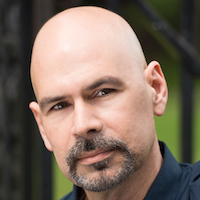
Orlando Ortega-Medina is an attorney, published author, and the managing editor for Amble Press, a boutique publisher specializing in bold, literary works by queer writers.




This is an excellent thought piece – so many authors only contact their audience of readers when they have a new book. Instead it’s a long-term relationship they need to be building so readers already are familiar with them and anxious to read their next book.
On a bad day I think, “Literally millions of new authors are doing all this without moving the needle on sales. It’s probably the worst time in the history of the world to publish a book. Nothing goes out of print, and millions more books come out every year. Discoverability is becoming a myth.” On a good day I think, “Maybe I’ll write another book.”
I agree. Discoverability is what I struggle with. Seems like no matter what you do, it’s hard to be heard over the noise even if you do all the right things as outlined in the article. It’s nice to be interviewed on a podcast, but rarely do I get up ticks on my website or social media after promoting it especially when the next episode makes your episode obsolete. Same with social media posts. It’s hard, but you still try, right?
The cynic: What is the difference between no online presence and presence with a simple website and a Substack five people read?
Half-full glass: I suppose for a budding writer it tips the scale from 0 to 1.
Pointing out the shared roles in book promotion, versus the solo role for author promotion is helpful. Thank you.
This is the most direct and clearest way I’ve ever read this advice being given. Got it! Thank you