

Today’s guest post is by Allison K Williams (@guerillamemoir).
Your students love you. You’re great at sharing your expertise in craft, marketing, or mindset. You’ve got a decent resume and publication record.
So why aren’t you getting asked to teach at retreats? You keep applying, why aren’t those conferences choosing you to speak?
How can you start teaching your own live or online events?
I lead writing retreats around the world, from Costa Rica to Morocco to onboard the Queen Mary 2. They’re in glamorous, fun locations, and yes, I pay my fellow teachers pretty well. As my reputation has grown, I’ve gotten more emails:
I’d love to teach for you in Tuscany.
Do you need more teachers for France this year?
As you’re considering faculty for the QM2 conference.
Teachers list their publishing credits, their degrees, their time at respected institutions. Some even offer to come for free. I say no about 95% of the time.
Not because of their credentials. They’re often multiply published in prestigious journals, their books are from Big Five publishers, their degrees from excellent MFA programs. But it’s not enough to have written a great book or have a long resume.
The success of a retreat, conference, or event, live or virtual, depends on two things:
- The experience participants have when they attend.
- The number of people who want to come.
Most teachers can deliver on experience. If you’re teaching consistently, with a personal style of delivery and specific expertise, you’re going to beautifully engage the students who fit your style and need that subject. Arguably, the event experience is far more important—people who have a terrible time not only don’t come back, they badmouth you to all their friends. I only googled a little to find out who ran the Central American retreat where raw sewage backed up into the rooms. After a writing friend told me about a terrible event where the teacher was inappropriately therapeutic with the writers, I didn’t have to search at all to find more stories. (There’s a whole suspense novel about it!)
But even though experience is the heart and soul of any writing event, I can’t run it if I can’t sell it. Your resume is great, your teaching is a joy, but how many students can you bring onboard?
As well as leading my own retreats, I teach for organizations like UpTrek, Madeline Island School of the Arts (MISA), Maine Media and Clos Mirabel. Teacher payment varies from flat fee plus expenses, to profit percentage, to “they pay us lodging and they pay you tuition so charge what you want.” They all need more marketing from me than I ever guessed. Yes, the host companies have mailing lists, but the people on their list came to an event because they liked a particular teacher or wanted to study a particular subject.
Retreat attendees sometimes repeat locations or organizations, but mostly, they follow teachers.
I asked Annie Meech Sumner, who coordinated my classes for MISA in California, Santa Fe, and on Madeline Island, what their organization sought in a teacher. Annie told me, “Mailing list size and frequency is our number-one focus. We want to know if you’re active on social media, primarily Facebook and Instagram, because that’s where the retreat audience [primarily older adults] are spending their time.” MISA wants to know how many workshops you’ve taught before—can you handle a whole week with the same people all day long? How big a class can you handle and still make everyone feel special?
Only after they know what kind of student body you can both deliver and serve, do they care about your background. “A retreat is a symbiotic relationship, where we benefit each other,” Annie said, but the host organization is trusting you as a marketer before they trust you as a teacher.
It sounds shallow to focus on how many people can you bring us, rather than how amazingly can you deconstruct literature—but writing retreats are not usually charities. Even when working for free for a good cause, your time and their staff hours and your reputations are invested in the event. The more students (or more of the right students) show up, the better off everyone is.
I’ve had teachers offer to staff my events for free, to show their chops and get connected. But this isn’t my hobby and I don’t feel right imposing free labor on someone else when I’m making money; plus, it’s harder to have accountability with volunteers. Even more importantly, a free teacher isn’t free.
For the Craft & Publishing Voyage on Queen Mary 2, I commit roughly $10,000 per teacher before collecting any tuition. Ship fare, airfare, hotel in London before the voyage, their seat on a private coach to the docks, plus the teacher’s actual pay. I need seven students to sign up to pay a teacher’s way; I need ten students to make my own profit on that teacher. A five-figure profit sounds lavish until divided by 200 hours of planning, marketing, emails and meetings before setting foot on the gangway for an 80-hour week (when you’re at a retreat, you’re still working at every meal). But I do profit, and more importantly, I love doing it.
How can you position yourself to be an attractive instructor?
- Be a guest where you don’t cost. I blogged about writing for Brevity, which helped my applications to speak at conferences for free, to build my mailing list and be seen. Speaking at conferences led to small webinars for small honoraria, then bigger profit-share webinars, building relationships and my audience.
- Start small. Local retreats and online events have a much lower bar to entry. My first live retreat was three writers in an Airbnb farmhouse, the day after a writing conference I knew my audience was attending, their travel already paid. My first virtual intensive replaced a live event during the pandemic. Even a small mailing list can fill an event with the right topic and timing for your audience.
- Market thoughtfully. If your emails, articles, and public presence provide real value, then your advertising expands your reputation and builds audience, even if they can’t sign up this year.
The more we focus on our students, on how to serve their creative and professional needs, the more they grow loyal to us and eager to learn what we’re excited to share. Having a solid resume is great, but loyal fans are far more valuable for your events—or anyone else’s.
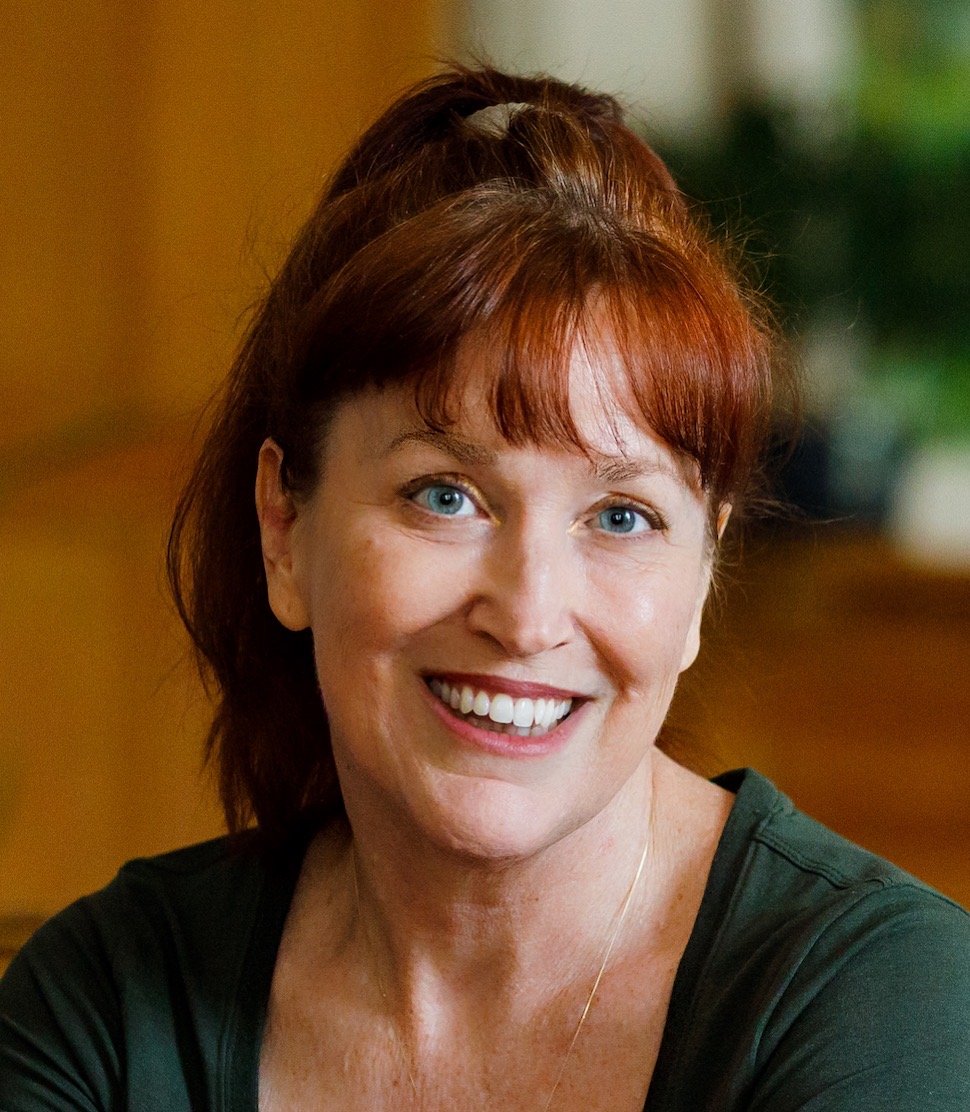
Allison K Williams has edited and coached writers to publication with many of the best-known outlets in media. As a memoirist, essayist, and travel journalist, Allison has written craft, culture and comedy for National Public Radio, CBC-Canada, the New York Times, and many more. She leads the Rebirth Your Book writing retreats series and, as Social Media Editor for Brevity, she inspires thousands of writers with weekly blogs on craft and the writing life. Allison holds an MFA in Creative Writing from Western Michigan University and spent 20 years as a circus aerialist and acrobat before writing and editing full-time. Her latest book is Seven Drafts: Self-Edit Like a Pro From Blank Page to Book (Woodhall Press, 2021). Learn more at her website.




Can’t tell you how much I loved and learned from your Queen Mary 2 retreat! Before long I tell every writer I meet about the experience! You are a brilliant and dynamic teacher and coach! I’d love to host a retreat here in Cuenca, Ecuador. I have some experience having hosted Chris Merrill and the Iowa International Writing Program at our conference. Unfortunately, I have a previous commitment on Saturday. Do you think you might repeat this class? You host and lead better than any other I know. I hope folks are beating down the door to learn how you do it!
Kathryn – so glad you enjoyed the retreat and Ecuador would be terrific! I don’t know when this will run again – the last time was 3 years ago, maybe 4? – but if you do the recording, I am very happy to answer your questions after!
I never thought that my retreats could sell. I organised writing retreats with writer friends and aspiring writers, where nobody paid anything – except their own expenses. (Coffee, treats). It took us a few hours on a week-end or in an afternoon, laptops and the will to write and to discuss written things.