

Today’s guest post is by Allison K Williams (@guerillamemoir).
For many writers, platform is a dirty word. You hear “platform” and think selling and shilling and sacrificing privacy. You think of precious writing moments sucked into the gaping maw of social media.
You’re not wrong! For years now, we’ve been told by agents and publishers, “Nice writing, but you need more platform to sell this book,” or “I’m not sure where this fits in the marketplace—what’s your platform?”
You may be seeing your work dismissed for lack of clicks, low follower numbers, or just the way you divide your time—focusing more on good writing than public presence.
But platform doesn’t have to be a full-time job, and you don’t have to rack up numbers like an influencer. True platform—the kind that sells your book to agents, publishers and readers—actually facilitates writing better, while you reach your readers and learn more about what, exactly, you can write that both sells books and fills your heart with joy.
The secret of true bookselling platform is the Three Ps:
- Publication
- Projects
- Personal Connections
These three elements add up to Lived Platform—not fame, not clicks, but your subject-matter expertise, or your lifetime of experience that relates to a cultural moment now. Leveraging your Lived Platform to sell books means knowing the cultural conversation and who is having it, then positioning yourself in that conversation as a thinker with something to add.
1. Publication
Quite simply, start getting your work into the world.
If you’re a more literary writer (where what attracts readers to your work is the quality of the prose and the depth of the concept), start working your way up the literary magazine ladder. Poet and essayist Maggie Smith published in Sweet, The Rumpus, and diode before The New Yorker and The Paris Review, and her poetry and poetic tweets built an audience for her memoir, You Could Make This Place Beautiful.
If your work is more commercial (your readers want the immediate impact of your storytelling, and you’re in a cultural moment or a genre they love), learn how to pitch stories to a national newspaper or magazine and start looking at your larger story in terms of many smaller angles. Aileen Weintraub’s essays and articles dealing with motherhood, menopause, anxiety and body have appeared in Insider, HuffPost, Newsweek and InStyle (among many others). Readers who like her take on an issue that speaks to them may then seek out her memoir, Knocked Down, about a high-risk pregnancy.
Whether your own work is more literary or more commercial, submit widely and often, which also means writing more, and being more conscious of your writing craft. Literary writers, polish those sentences, and judiciously sign up for classes with potential mentors who can help your craft improve. Commercial writers, analyze the structure of the work you read, and see if you can follow the style and tone of pieces already published where you want to be.
Some authors worry about publishing “too much” of their story. For memoirists and nonfiction writers, publication is also proof your story is interesting and someone wants to read it. Try not to publish more than 30–50% of your manuscript, but standalone work almost always needs serious revision to truly stand alone, so it’s not a spoiler.
2. Projects
Doing what you love makes platform-building the good kind of hard work. Authors who show up regularly for a project they care about build a network of people who also care—and those people become committed to helping you in your work.
Author Courtney Gustafson started a program to trap/spay/neuter cats in her local community. Her ongoing work to raise money for organizations that help animals in need has built 100K+ followers on Instagram. Her pinned post announces her new book forthcoming from Crown Publishing (and with several foreign rights sales): “A memoir about accidentally inheriting thirty cats, going viral, building community, and surviving capitalism.”
Ashleigh Renard and I started The Writers Bridge to help authors navigate the challenges of platform-building. We joked about our mailing list of 3000+, “all it took was showing up to deliver quality information every other week for two years.” Our commitment to building community meant that our community supported Ashleigh’s memoir and my writing craft book, Seven Drafts. We’ve both expanded our audiences by continuing to provide information that, in turn, helps us generate material for future books.
Making time for project-related work often means prioritizing. Start listing what you do—and crossing off activities that aren’t serving your work.
3. Personal Connections
You don’t have to command a stage like Tony Robbins to make people happy to know you. Whatever your Lived Platform centers on—widowhood, historical fiction, family and cultural history—you have become an expert, and there are people who need your expertise. Consider what you have to share, and who needs to hear it.
We become known as experts by sharing. You may enjoy teaching in webinars or small groups, speaking at your local community organization, starting a podcast, or writing a newsletter that shares your research (and how your readers can use that research in their lives). Practice being present, by truly listening to your audience’s questions, worries and wonderings.
Start looking for events related to your interests, and when you attend an event, make an effort to connect beyond the event. Get the contact list and invite those people (once!) to join your email list. Offer a free resource that allows people to give you their email for something they want and will remember you fondly for. Bring your offline people into your online world, and vice versa, by actively inviting them into groups you know they will enjoy, and connecting people who need to know each other.
Social Media
If you’re working hard on the Three Ps, social media is a tool, not a destination. Your social feeds become a place to share all these other activities, to connect people to each other, and to chime in on conversations about the issues related to your projects. Discussing a mutual fascination is far more enjoyable than posting about your book and waiting for likes.
True platform is Lived Platform. We best create an audience of readers—and reach the audience already there—by publishing our work as widely as possible (which means writing better), carrying out projects we care about (and giving up activities that aren’t serving our work and our goals), and making personal connections by actively reaching out and participating in real life and online.
I love my platform, and you can love yours, too.
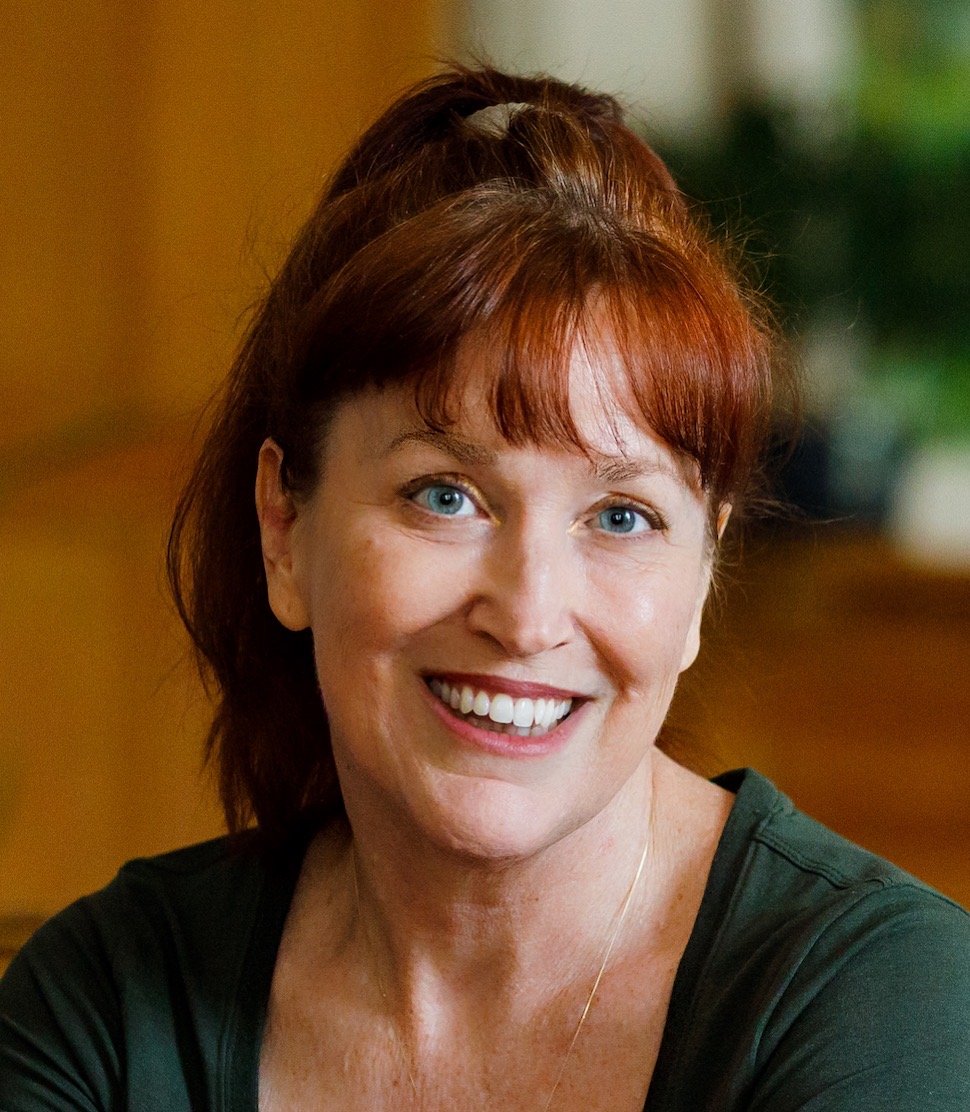
Allison K Williams has edited and coached writers to publication with many of the best-known outlets in media. As a memoirist, essayist, and travel journalist, Allison has written craft, culture and comedy for National Public Radio, CBC-Canada, the New York Times, and many more. She leads the Rebirth Your Book writing retreats series and, as Social Media Editor for Brevity, she inspires thousands of writers with weekly blogs on craft and the writing life. Allison holds an MFA in Creative Writing from Western Michigan University and spent 20 years as a circus aerialist and acrobat before writing and editing full-time. Her latest book is Seven Drafts: Self-Edit Like a Pro From Blank Page to Book (Woodhall Press, 2021). Learn more at her website.




There’s a fourth P I’m working with: Performance. Solo plays, poetry readings, storytelling events.
I love this distinction! I have two more P’s to talk about during the Bootcamp, and Public Speaking is one of them – it’s so powerful to be able to share our work with a live audience. I was an actor and director before writing fulltime, and performance has informed so much of what I do!
What a great post, Allison. I feel I know you from your excellent session with Jane I attended in February, “Pitch, Publish and Get Paid.” Two weeks ago, I finally had a topic and pitched an essay to The Ethyl, which you had mentioned in class. No response yet but I have more ideas. I love how you’ve expanded the concept of platform to “lived platform.” Any tips on how to explain this succinctly in an agent in-person pitch . . . asking for a friend. 🙂
Excellent! And pitch ’em again, too! The way to show lived platform is very much awareness of the cultural conversation. For example, you might put in a query for a book about women traveling alone, “2 million American woman each year travel solo, and many more want to but fear for their safety. As a woman who has visited 68 countries solo, I’ve learned…”
Hope to see you at Bootcamp!
This idea fits perfectly! Thanks!
Thank you for this lovely, insightful article. It’s exactly what I needed to read at this moment as I work on building my platform at my publisher’s request!
So glad to hear that – and hope to see you this weekend!
Thank you so much for the link to my website when you referenced historical fiction, Allison! You see, I am reading (and learning from) your posts. Keep up the good work.
You are SO good at platform with fiction – I hope some readers signed up for your newsletter!
Terrific. I love the three Ps.
Thank you! I have two more (not enough room in one blog!) that I’ll be diving into in the Bootcamp this weekend 🙂
Thanks for distilling platform building into bite-size chunks.
As a new author, it’s overwhelming to learn all this. At first I tried doing everything at once and became depressed and frustrated. Reading your list gave me great suggestions but also made me feel good about what I’ve been able to accomplish so far. 🙏
So glad to hear that – we so often hear “build platform!” like it’s something to be immediately accomplished, which trivializes the depth of connection we can make when we’re slowly building true literary community.
This is a helpful essay! Thank you for posting it! Best wishes!
You’re welcome and thanks!
Thanks for encapsulating so much into this concise post. I will keep refining my platform.
Enjoy – and keep making time for writing, too!
You’re always so good at focusing on meaningful steps, Allison! I will admit that I struggle most with the companion essay requirement that novelists often face with each new book publication. In the case of memoir, there are endless possible previews and spinoffs, but turning an aspect of a fictional plot or world into a magazine essay is tricky. (Writing about writing or research comes naturally, but then I’m talking to writers more than readers.) I find myself envious of the novelists who skip this part of platform. Other thoughts?
I think you’re right – for novelists, supporting publication usually means interviews, rather than separate essays. I love your newsletter, and I think you’re probably best expanding the newsletter beyond writers to readers. I always find something new to read when your email comes!
What a wonderful perspective. Thank you! And supporting others goes a long way as well, contributing to the literary community.