
Traditional Publishing
- HarperCollins lays off around a dozen people. In a statement, the publisher said, “The business is facing continued cost pressures, including price increases related to printing, production, freight, and distribution, and we are taking decisive steps to operate as efficiently as possible.” For context, read Jim Milliott at Publishers Weekly.
- Callisto Media lays off large swath of workforce. They laid off 35 percent of staff in July, and this latest round looks to be about 70 percent of remaining staff. The CEO is under pressure to make the company profitable by the new year. Company offices are closing, and all remaining workers will be remote. Read Nathalie op de Beeck in Publishers Weekly.
- UK’s Society of Authors will vote on whether the organization’s chair should stand down. Joanne Harris faces criticism for her public comments and posts on social media. Read Mark Chandler in The Bookseller (subscription required).
Industry Data
- What counts as a bestseller? Take a deep dive into the New York Times bestseller list over its 90-year history. Read Jordan Pruett at Public Books.
- Experimental novels are not under-published because of inadequate BookScan data. Author Lincoln Michel takes issue with the idea that better insight into book sales figures would lead to publishers accepting more diverse or risk-taking literature. Read Counter Craft.
- A new, lengthy report on race in book publishing: PEN America interviewed industry insiders and gathered statistics on racial and ethnic diversity in publishing for both employees and authors. It finds that DEI (diversity, equity, and inclusion) efforts have been temporary or insufficient. The full report also offers an insightful education into how the industry makes business decisions. Read at PEN America.
The Future
- The future of AI in content creation. This article, more nuanced than most on the topic of AI, concludes that AI’s role will be akin to that of a co-writer: to support writers as an extension of their talent. Read Robert Rose at Writer.
- Microsoft adds AI art generation to its Office suite of apps. You will soon be able to generate AI art right in your Word or PowerPoint document. It’s referred to as the new clip art. Read James Vincent at The Verge.
- Is design becoming a writer’s medium? You have to be a good prompt writer to use AI generation tools. Read Leroyson Figueira at The Drum.
- How important is Book.io? Ingram recently invested in Book.io, an NFT startup, as a potential way to create a market for digital books that publishers and authors can profit from. Thad McIlroy, a longtime publishing consultant with an eye on the future, tries to bid on an NFT book via Book.io and fails because it’s so complicated. Read at The Future of Publishing.
- Has the internet reached peak clickability? Ted Gioia makes the counterintuitive argument (supported by data) that the internet is on the decline. Read at Substack.
Creator Economy
- Can Substack give your author career a boost? One midlist author has given it a go and says he has become addicted to it. Read Tim Lott in The Guardian.
- Patreon is struggling. Its valuation has decreased by 70 percent over the past year. Media industry analyst Simon Owens says the platform has some key weaknesses that are likely contributing to that. Read at his newsletter.
TikTok
- BookTok: boon or burden? For YA authors in particular, BookTok has launched new careers, but some authors now feel an unwelcome obligation to do something there. Read Joanne O’Sullivan at Publishers Weekly.
- TikTok plans to compete with Amazon. Selling right inside social media news feeds is popular in China, but it hasn’t gained steam elsewhere in the world. Still, TikTok is planning to try hard in the US, investing in an ecommerce supply chain system and product fulfillment centers. If it takes off, TikTok could ultimately compete against Amazon. Read Sara Fischer at Axios.
Trends
- Demand soars for children’s books that address violence and trauma. As anxiety and depression rates increase among young Americans, children’s books help them cope. Read Claire Savage at AP News.
- Why are book sales down for some indie authors? The hosts of the Six-Figure Author podcast reconvene for a special episode to discuss why their sales are down. Listen.
- A look at what’s successful right now in webcomics. On mobile-dominant reading platforms like Webtoon and Radish, romance, drama, and slice-of-life stories tend to gain the most traction. Read Nicole Audrey Spector.
Audio
- “Audio is the white whale of social media.” It’s hard for audio to go viral, and investment is dwindling for social audio platforms like Clubhouse, Twitter Spaces, and similar. Read Lizzy Lawrence at Protocol.
- Spotify complains about Apple’s app store policy. For big companies like Spotify, Apple takes 30 percent of in-app sales and has restrictions on how to direct customers to make purchases outside of the app. This has been the case forever, but Spotify seems to think the rules would not apply to them. Read Tripp Mickle in The New York Times (gift link).
Amazon
- Struggling with Amazon bugs? More problems have been reported lately by both authors and publishers when selling directly through Amazon. Kindlepreneur has put together a quick guide to help you know what to do. Read Jason Hamilton.
- Amazon’s attrition costs the company $8 billion annually. Engadget gained access to internal documents revealing the amount of turnover and how it takes an expensive toll on operations. Read A. Menegus.
Culture & Politics
- Black literature and the representation trap: The New York Times Magazine looks at how the publishing industry is trying to turn its “terminal failure” into a market opportunity. Read Ismail Muhammad.
- How The New York Times covers Black writers. The article explores why some Black people are concerned about the persistence of the “One Black Writer” idea. Read Howard Rambsy II and Kenton Rambsy at Public Books.
- Are successful authors creative geniuses or literary laborers? Most writers repeat themselves and work as diligent craftspeople—rather than changing things up—once they succeed in the market. Read Oleg Sobchuk at Psyche.
- The return of the newspaper book review section. A veteran book critic looks at the renewal represented by The Washington Post resuming its stand-alone book review section, offering an insightful history of book criticism in the process. Read Ann Kjellberg at Book Post.
Just for Fun
- “Show me your dog’s author photo.”
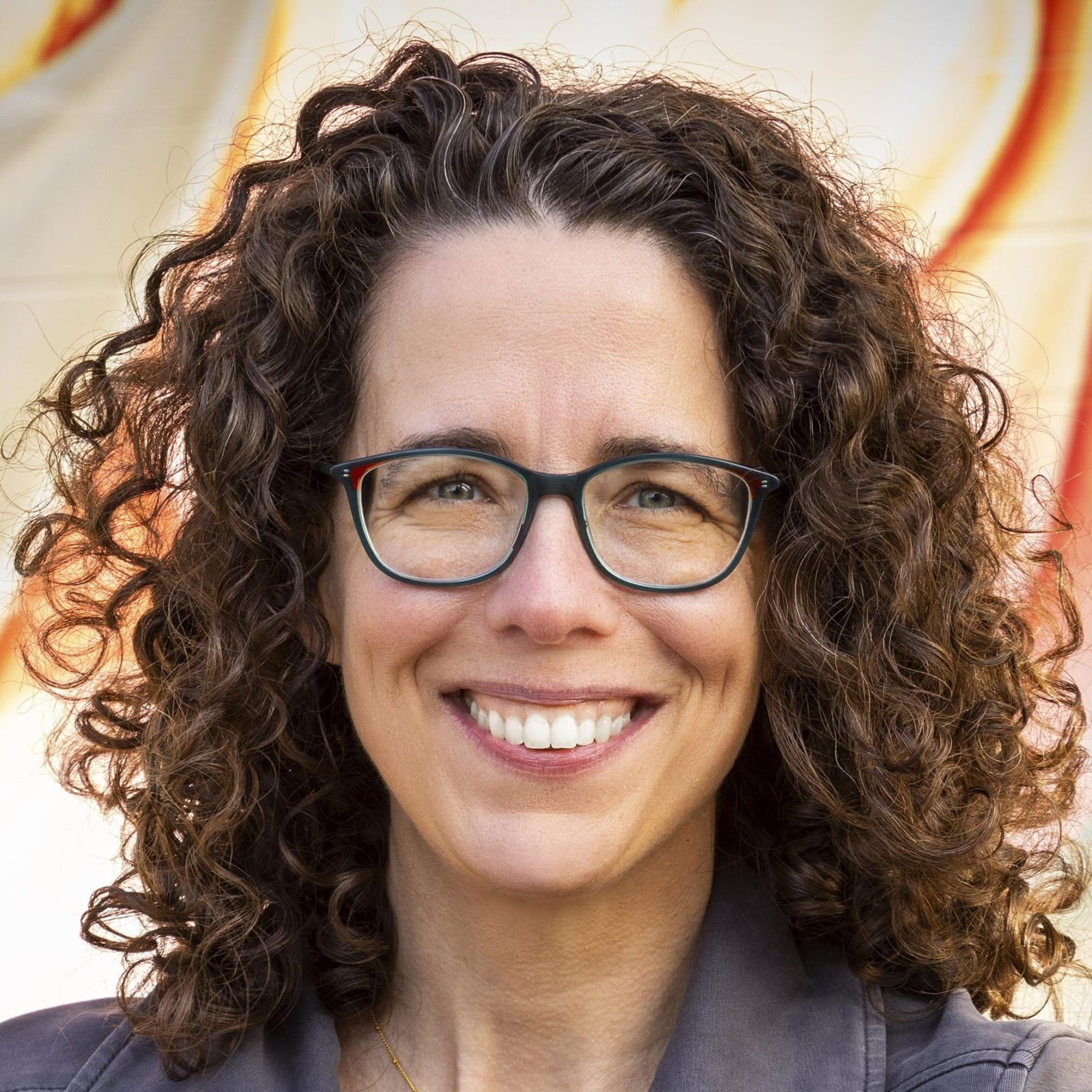
Jane Friedman has spent her entire career working in the publishing industry, with a focus on business reporting and author education. Established in 2015, her newsletter The Bottom Line provides nuanced market intelligence to thousands of authors and industry professionals; in 2023, she was named Publishing Commentator of the Year by Digital Book World.
Jane’s expertise regularly features in major media outlets such as The New York Times, The Atlantic, NPR, The Today Show, Wired, The Guardian, Fox News, and BBC. Her book, The Business of Being a Writer, Second Edition (The University of Chicago Press), is used as a classroom text by many writing and publishing degree programs. She reaches thousands through speaking engagements and workshops at diverse venues worldwide, including NYU’s Advanced Publishing Institute, Frankfurt Book Fair, and numerous MFA programs.