
Ukraine and Russia
- An urgent mission for translators: Bring Ukraine voices to the West. By highlighting Ukraine’s literary and linguistic heritage, translators can demonstrate the country is distinct from Russia. Read Alexandra Alter in The New York Times.
- Some publishers and wholesalers halt trade with Russia. Penguin Random House, Simon & Schuster, and Gardners in the UK are halting trade with Russia. The UK’s Society of Authors supports efforts to isolate the Russian regime but warned the industry not to inadvertently stifle Russian voices. Read Ruth Comerford in The Bookseller (subscription required).
- Storytel suspends operations in Russia. The Stockholm-based company has halted all content production and acquisitions in Russia. Read the press release.
Bookselling
- Canadian government grants independent bookstores $32 million. The money is meant to help booksellers increase their ability to sell books online and strengthen their operations. Read the press release.
Traditional Publishing
- Agents offer predictions for Christian publishing. Sales are up and expected to remain strong. There’s increased interest in books about trauma, mental health, and wellness. Read Ann Byle at Publishers Weekly.
- Does open access cannibalize print sales? Or, in layman’s terms, do free digital editions erode print sales? The answer isn’t obvious. The National Endowment for the Humanities has funded a research project to better answer this question in regard to monographs. Read John Sherer in The Scholarly Kitchen.
Storytelling
- The science of blockbusters: Here’s yet another attempt to quantify the written word using natural language processing and machine learning to determine the “science” behind bestsellers. Read at Knowledge@Wharton.
- What makes a great opening line? Clarity and curiosity. Read Allegra Hyde at Lit Hub.
Beyond Print
- Writing for TV versus writing a novel. Writing for TV is “a team sport from day one.” But the main similarity between the writing for TV and for print is not being precious about the story. Read Amanda Pellegrino at Lit Hub.
- Malcolm Gladwell on the future of audiobooks. Gladwell thinks the distinction between podcast and audiobook will continue to erode—and even the differences today are not meaningful. Also, Gladwell believes in doing table reads for all his work, including audiobooks, because it improves his concision as a writer. Read the transcript of his interview with Michele Cobb.
- A new series, The Andy Warhol Diaries, generates Warhol’s voice using AI. AI voice generation is improving at an exponential pace. Read Alex Greenberger at ARTnews.
Legal
- The US Copyright Office refuses to register AI-generated work. Human authorship remains a prerequisite to copyright protection. Read Eleonora Rosati at The IPKat.
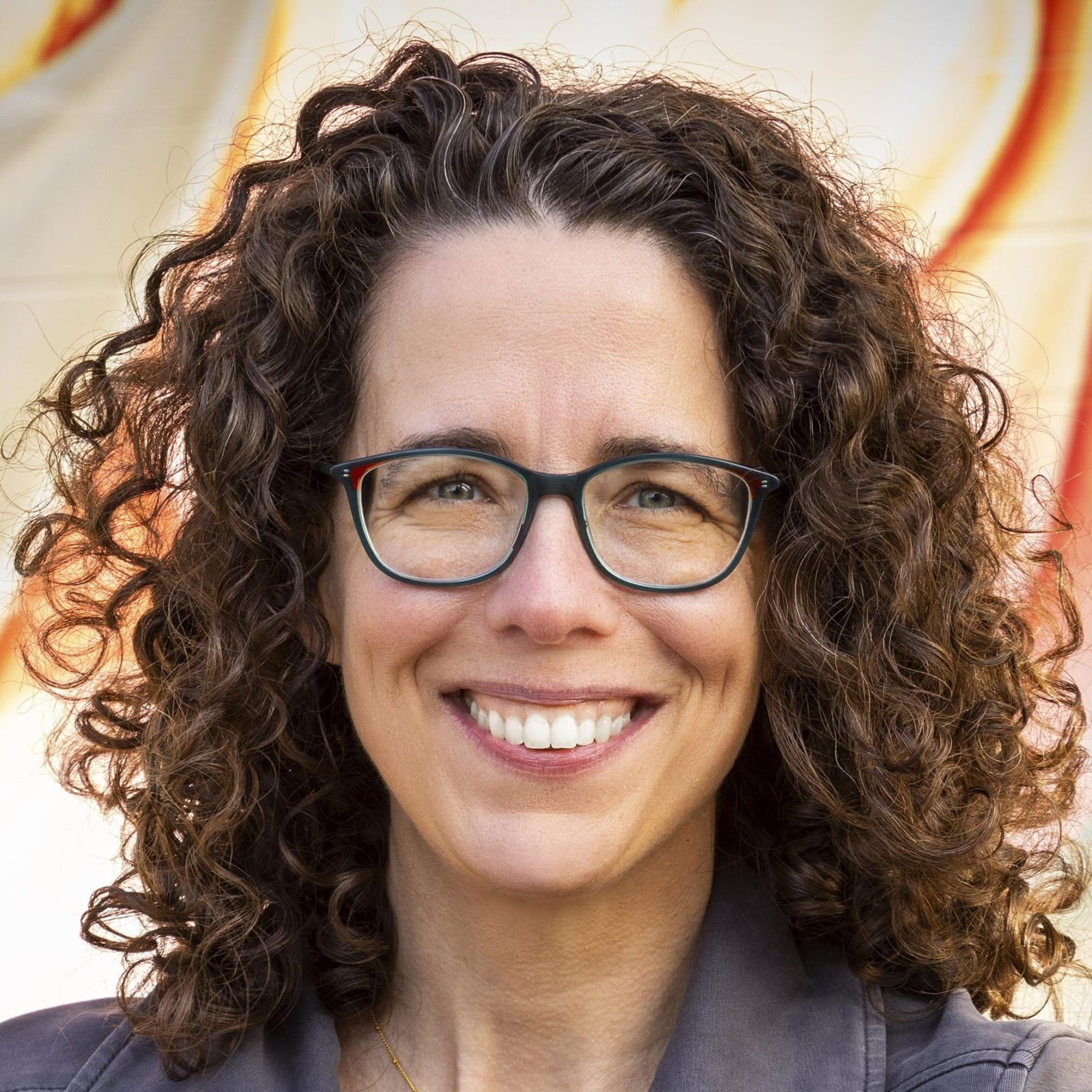
Jane Friedman has spent her entire career working in the publishing industry, with a focus on business reporting and author education. Established in 2015, her newsletter The Bottom Line provides nuanced market intelligence to thousands of authors and industry professionals; in 2023, she was named Publishing Commentator of the Year by Digital Book World.
Jane’s expertise regularly features in major media outlets such as The New York Times, The Atlantic, NPR, The Today Show, Wired, The Guardian, Fox News, and BBC. Her book, The Business of Being a Writer, Second Edition (The University of Chicago Press), is used as a classroom text by many writing and publishing degree programs. She reaches thousands through speaking engagements and workshops at diverse venues worldwide, including NYU’s Advanced Publishing Institute, Frankfurt Book Fair, and numerous MFA programs.