
Copyright
- Authors and publishers win $7.8 million in a global piracy lawsuit. But it’s unlikely they will ever see a dime of that money. Read Andrew Albanese in Publishers Weekly.
- Here are some of the works that entered the public domain this year. Once a work enters the public domain, it can be republished and repurposed by anyone and used to create derivative works without permission. Learn more.
Trends
- Webtoon is enjoying growth in the US market. According to CEO Junkoo Kim, mobile reading app Webtoon has 14+ million monthly active users, which represents 20 percent of their total userbase. Read Rob Salkowitz at ICv2.
- China is changing how the world reads. The web novel has been flourishing in China since 2002 and represents one of the country’s most successful cultural exports. Read Zeyi Yang at Protocol.
- The most popular library books of 2021. They include Barack Obama’s memoir and bestsellers such as Where the Crawdads Sing by Delia Owens and Caste by Isabel Wilkerson. Read Clarisa Diaz at Quartz.
Audio
- Fiction podcast “movies” are now a thing. Until recently, most podcasts featuring fiction were anthologies or serials. But a podcast production company is now focusing on standalone 90-minute stories. Whether people are willing to pay remains an open question. Read Reggie Ugwu at The New York Times.
- Amazon’s Alexa fails to grow and sees high abandonment rates. Amazon’s own analysis has determined that the smart speaker market has “passed its growth phase.” Read Priya Anand at Bloomberg Businessweek. For even more considered analysis, read Benedict Evans.
Creator Economy
- Twitter and Clubhouse fight for talent and users. Twitter Spaces (its Clubhouse clone) has reached 2 million users and is stealing away some of Clubhouse’s market share. Read Kate Conger at The New York Times.
- Discord will soon allow for paid memberships. If you’re a premium member, you can charge for access to your Discord server. Read Tom Warren at The Verge.
- After starting a Substack to fund her novel, Elle Griffin is now experimenting with NFTs. If you’re curious about crowdfunding a book based on crypto and NFTs, this is the post you’re looking for. Read at The Novelleist.
Culture & Politics
- Is the writing life built on nothing but shallow notions of fame, success, and ambition? Apoorva Tadepalli explores careerism and the challenge of retaining one’s dignity while publicizing one’s work with “self-effacing yet smarmy tweets.” Read at The Point Magazine.
- How creative nonfiction overcame English Dept. resistance. Creative nonfiction is seen as a serious genre today, but that hasn’t always been the case. Read Lee Gutkind at Lit Hub.
- Some writers prefer distraction-free devices for writing. A New Yorker article looks at tools such as iA Writer and Freewrite Smart Typewriter, among others. Read Julian Lucas.
- Looking for a picture book you loved as a kid? There’s now an Instagram account for that. Read Rachel Treisman at NPR.
Accessibility
- How publishers (and authors) can get alt text right. In too many cases, the alt text for images is either missing or wrong in ebooks. This article includes helpful examples for improvement. Read Bill Kasdorf at Publishers Weekly.
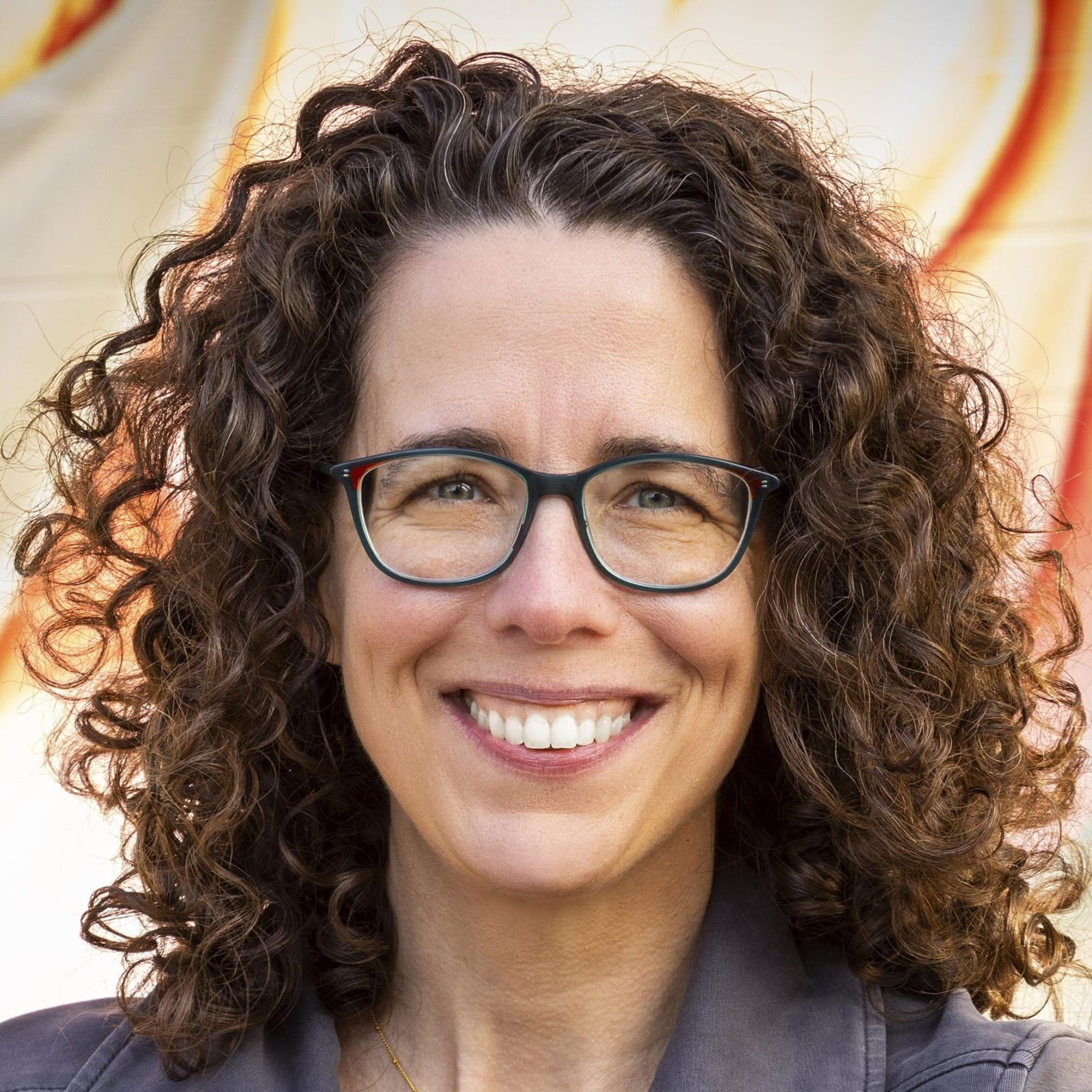
Jane Friedman has spent her entire career working in the publishing industry, with a focus on business reporting and author education. Established in 2015, her newsletter The Bottom Line provides nuanced market intelligence to thousands of authors and industry professionals; in 2023, she was named Publishing Commentator of the Year by Digital Book World.
Jane’s expertise regularly features in major media outlets such as The New York Times, The Atlantic, NPR, The Today Show, Wired, The Guardian, Fox News, and BBC. Her book, The Business of Being a Writer, Second Edition (The University of Chicago Press), is used as a classroom text by many writing and publishing degree programs. She reaches thousands through speaking engagements and workshops at diverse venues worldwide, including NYU’s Advanced Publishing Institute, Frankfurt Book Fair, and numerous MFA programs.