
News
- The mysterious book thief. Someone with industry knowledge is acquiring manuscripts prior to publication—but with no clear motivation. A reporter at New York’s Vulture digs into the case and identifies an agent who some suspect is responsible. Read Reeves Wiedeman.
- Bouchercon is called off. The annual mystery convention, to be held this month in New Orleans, is canceled due to rapid spread of the Delta variant. Read John Maher in Publishers Weekly.
- Storytel is doing well, but growth is slow in Latin America and Spain. Ebook streaming service and publisher Storytel reported results for the second quarter ending June 30, with streaming sales up 19 percent versus last year; subscriber base was up 29 percent. In a letter to shareholders, Storytel said the underlying business is growing at a rate of 20 to 25 percent, with slower growth than anticipated in Latin America and Spain. Learn more.
Children’s Publishing
- Publishers are launching children’s imprints at a “record pace.” Publishers Weekly takes a look at nine new children’s imprints launched during the pandemic. Read Claire Kirch.
- Strong outlook for US children’s print nonfiction. NPD reports that this year’s sales are down just 5 percent from the historic high of 2020 and up 23 percent over 2019. The biggest BISAC categories this year are biography and autobiography, which grew 23 percent, and science and nature, which grew 9 percent, while activity books, study aids, games and activities, and concepts dropped. Read Porter Anderson in Publishing Perspectives.
Trends
- Backlist titles tend to see their best sales when they are two to five years old. The data comes from BookNet Canada and looks at sales from 2019 to 2021. Read Monique Mongeon.
- Here’s an explanation of NFTs that actually makes sense. It’s not about owning digital art but about social status. Read Timothy Collins at Real Money.
- Adjacent to NFTs: Here’s an explanation of the latest hot topic, metaverses. This is a long read and uses Neal Stephenson’s novel Snow Crash to delve into the concept. Read Ben Thompson at Stratechery.
- Should a professional narrator be used for a memoir? Within two days of sending along his sample narration, an author was told they believed a professional narrator would better be able to bring out the humor and emotion in the book. It ended up being a relief. Read James Tate Hill at Lit Hub.
Amazon
- Amazon lures advertisers away from Facebook. Apple’s privacy changes have made Facebook ads less effective. Read Spencer Soper in Bloomberg.
Creator Economy
- Why Patreon’s business model is under threat. Nearly every content platform and social media company has launched features that allow creators to monetize their activity. Read Simon Owens.
- Medium increases revenue sharing for writers. Likely feeling the pressure from other platforms that pay better, Medium is launching a referral program that offers writers a 50 percent cut of new subscriber revenue that their content directly generates. At the same time, it’s making it harder for new partners to earn money until they gain some traction. Read Max Willens at Digiday.
Culture & Politics
- Goodreads review-bombing continues. Targeted harassment on Goodreads is, sadly, nothing new. But the issue has been getting fresh attention now that Time has offered a deep dive into the problem. Read Megan McCluskey.
- German academics are using novels to pinpoint and predict future world conflicts. One says that writers have a great “sensory talent.” Read Philip Oltermann in The Guardian.
- The rise of the Instagram novel. Social media use changes so quickly. Should authors include close-ups of such activity in their novels and risk looking outdated? There isn’t an easy answer. Read Jess Bergman at The New Republic.
- The history of summer reading. Why isn’t there a winter or spring reading list—why just summer? Read Jennifer Harlan in The New York Times.
- Conservative publishers see gold. Just as books on antiracism and social justice have sold well, so have their conservative counterparts. Read Elizabeth A. Harris at The New York Times.
- The curious case of the missing author. While some publishers are able to keep releasing books in an author’s franchise after they die, the case of Janet Dailey is a particularly interesting one. Some readers may think she’s still alive. Read Lindsay Hobbs at Topaz Editing & Literary.
- What’s the matter with professional book reviews? The editors of N+1 write, “The main problem is that the contemporary American book review is first and foremost an audition—for another job, another opportunity, another day in the content mine.” They are also frustrated with the growing trend of “contemporary themed reviews.” Quelle horreur! Read at their site.
- The publisher of Andrew Cuomo’s book is in an unenviable situation. His book on leadership lessons from the pandemic was a significant risk to start, carrying a $5.1 million advance—despite the fact his previous book sold fewer than 4,000 hardcover copies. Now, with Cuomo leaving office in disgrace, there’s little chance that Penguin Random House will ever recoup its investment. NPD BookScan reports fewer than 50,000 hardcovers have sold. Read Alexandra Alter and Elizabeth A. Harris in The New York Times.
Self-publishing
- What to do if Amazon KDP asks you to confirm your publishing rights. The Alliance of Independent Authors outlines the typical reasons you might be asked to confirm you are the rights holder and what documentation you should submit. Read at ALLi’s advice center.
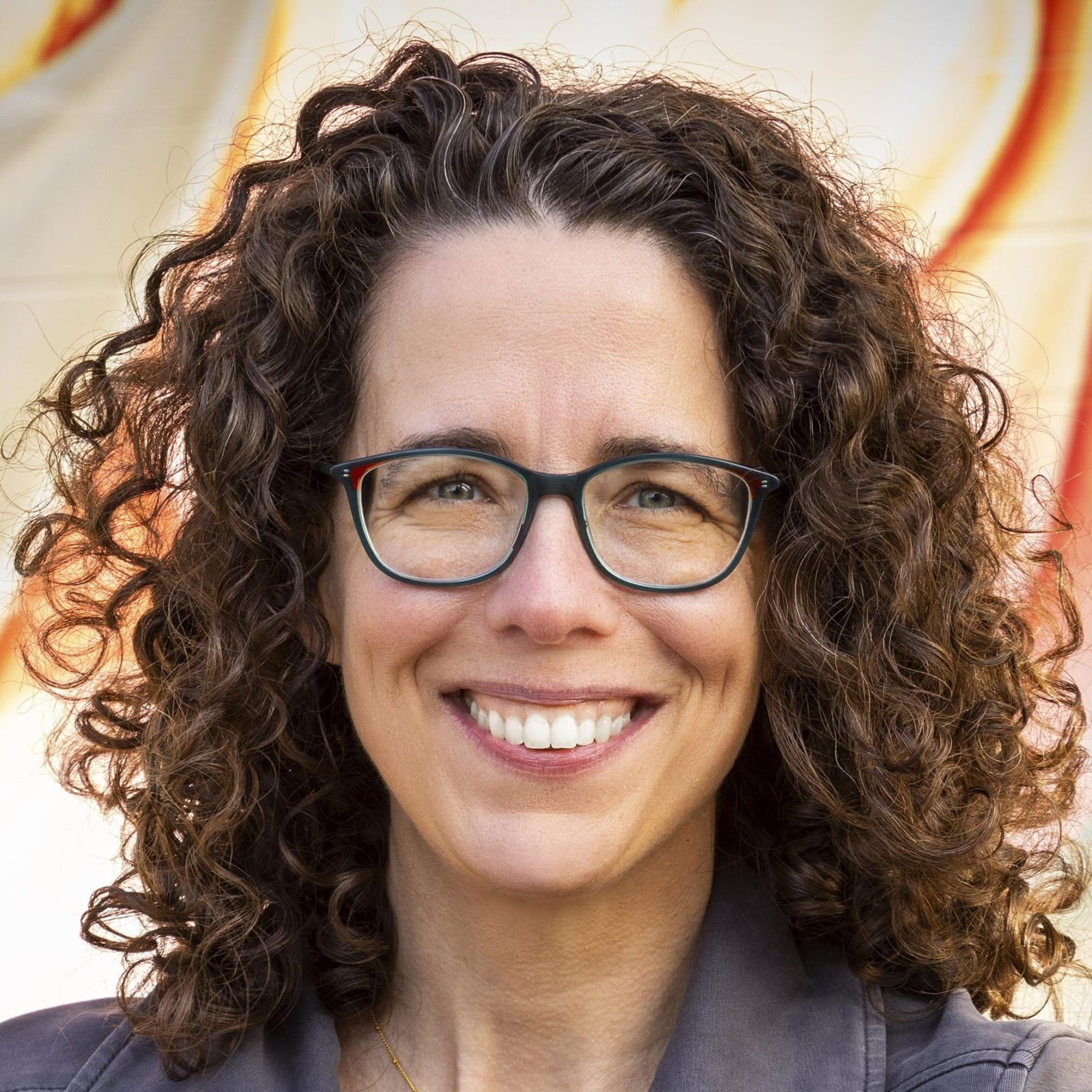
Jane Friedman has spent her entire career working in the publishing industry, with a focus on business reporting and author education. Established in 2015, her newsletter The Bottom Line provides nuanced market intelligence to thousands of authors and industry professionals; in 2023, she was named Publishing Commentator of the Year by Digital Book World.
Jane’s expertise regularly features in major media outlets such as The New York Times, The Atlantic, NPR, The Today Show, Wired, The Guardian, Fox News, and BBC. Her book, The Business of Being a Writer, Second Edition (The University of Chicago Press), is used as a classroom text by many writing and publishing degree programs. She reaches thousands through speaking engagements and workshops at diverse venues worldwide, including NYU’s Advanced Publishing Institute, Frankfurt Book Fair, and numerous MFA programs.