
Supply Chain
- What’s behind the paper shortages? The problem goes back to pre-pandemic trends. Read Lou Caron at WhatTheyThink.
- The Midland paper company offers an update on current market conditions for book manufacturing. The report includes clear graphs on driver shortages, fuel prices, container shipping costs, and more. View the PDF presentation.
- Newsprint costs are soaring. A British newspaper boss tells The Economist, “It’s like tasering an elderly person who’s already on pacemaker.” Read.
- Soaring supply chain costs mean more print-on-demand volume in the UK. Publishers have been seeing prices increase repeatedly for three months. Read at The Bookseller (subscription required).
Trends
- More graphic novels and comics were sold in 2021 than 2018 and 2019 combined. It was an incredible year for growth based on NPD Books figures. Read Brian Hibbs at Comics Beat.
- LGBTQ romance is booming. Sales of queer romance have increased 740 percent over a five-year period. Read Elizabeth A. Harris at The New York Times.
- Artificial intelligence raises copyright questions that haven’t been answered. For example, what happens if an AI ingests all the works of Agatha Christie and generates a crime novel based on that? Who owns the rights? The question is not hypothetical, as companies are working on such projects. Read Sian Bayley at The Bookseller (subscription required). We also reported on the questions raised by AI in this 2020 item.
- Verse novelists forge a deep connection with young readers. Verse novels are voice-driven and tend to tackle complex or emotional subjects. Read Amanda MacGregor at School Library Journal.
- A former Kickstarter employee questions the value of NFTs for writers and creators. She believes there are substantially less complex ways for writers to get paid. Read Margot Atwell.
Bookstores
- Young readers are reviving chain bookstores. Apparently Millennials feel nostalgic, while Gen Z likes the pre-social media simplicity. Read Alexandra Lange at Bloomberg.
- UK’s Waterstones saw a sharp decrease in sales during the pandemic. During their fiscal year ending April 24, 2021, Waterstones saw sales decline by 38.5 percent. The store was able to maintain profitability due to government support and a reduction in staff. Review their annual report.
Libraries
- Follett considered adding parental controls to its offerings, then backpedaled. Follett says its school library customers requested the ability for parents to see their children’s book selections and limit access to materials deemed inappropriate. After widespread criticism of any plans to make such control available, Follett dropped the initiative. Read Shannon Maughan at Publishers Weekly.
- The Maryland ebook law is dead in the water. The state law that would mandate publishers make ebooks available on reasonable terms to libraries has been stopped by the courts, and the state will not pursue the matter further. Read Andrew Albanese at Publishers Weekly.
- After it ended its late-fee policy, the New York Public Library saw a massive increase in book returns. The returns included notes of apology and gratitude. Expect other libraries to follow suit. Read Gina Cherelus at The New York Times.
- Being a librarian can be dangerous work. Instead of romanticizing the profession, this former librarian asks for acknowledgment that in addition to being sanctuaries, libraries are places of racism, assault, and worse. Read Amanda Oliver at Electric Lit.
Creator Economy
- Sanderson’s Kickstarter closes at $41 million and change. The campaign has more than 181,000 backers and is the highest funded in Kickstarter history. Read Sarah Whitten at CNBC.
- About half of Patreon’s payment volume goes to creators earning $12,000 to $120,000 annually. So far, Patreon has 8 million patrons, and it’s paid out $3.5 billion to more than 250,000 creators. Read KC Ifeanyi at Fast Company (registration required).
- Nobody (seriously, nobody) wants more crappy videos on Instagram. Too bad. Facebook has decided it’s a video platform. Read Rebecca Jennings at Vox.
- NPD experts talk about BookTok. It’s brought new life to backlist books, created growth in adult fiction, and more. Listen/watch.
Culture & Politics
- Congress investigates book bans in schools. There was quite a bit of (unsurprising) political theater. Read Claire Kirch at Publishers Weekly.
- PEN America documents spike in book bans. It’s not just about removal of books, but also about the lack of process and procedure. Read Andrew Albanese at Publishers Weekly.
- Former President Trump undercuts his chief White House photographer. She has killed her book project for now, after Trump published his own book of photos. Read Eric Lipton and Maggie Haberman at The New York Times.
- Does being sad make us better artists? Susan Cain explores melancholy and creativity. Read at Lit Hub.
- Does literature need conflict? Literary Twitter vehemently disagreed on this question. Author Lincoln Michel considers it all an interesting debate. Read his analysis at Counter Craft. For a good companion piece, consider this New Yorker profile of Céline Sciamma, who wants to move beyond the idea that conflict is the natural dynamic of the storyteller.
- Are we past boy books and girl books? Gendered reading bias is not necessarily caused by bad intent but by ignorance. Read Shannon Hale at Publishers Weekly.
- Why one bookseller is leaving the ABA: Nicole Sullivan, owner of stores in Denver, Colorado, believes the organization is suffering from an identity crisis, prioritizing workers over member bookstores. Read in Shelf Awareness.
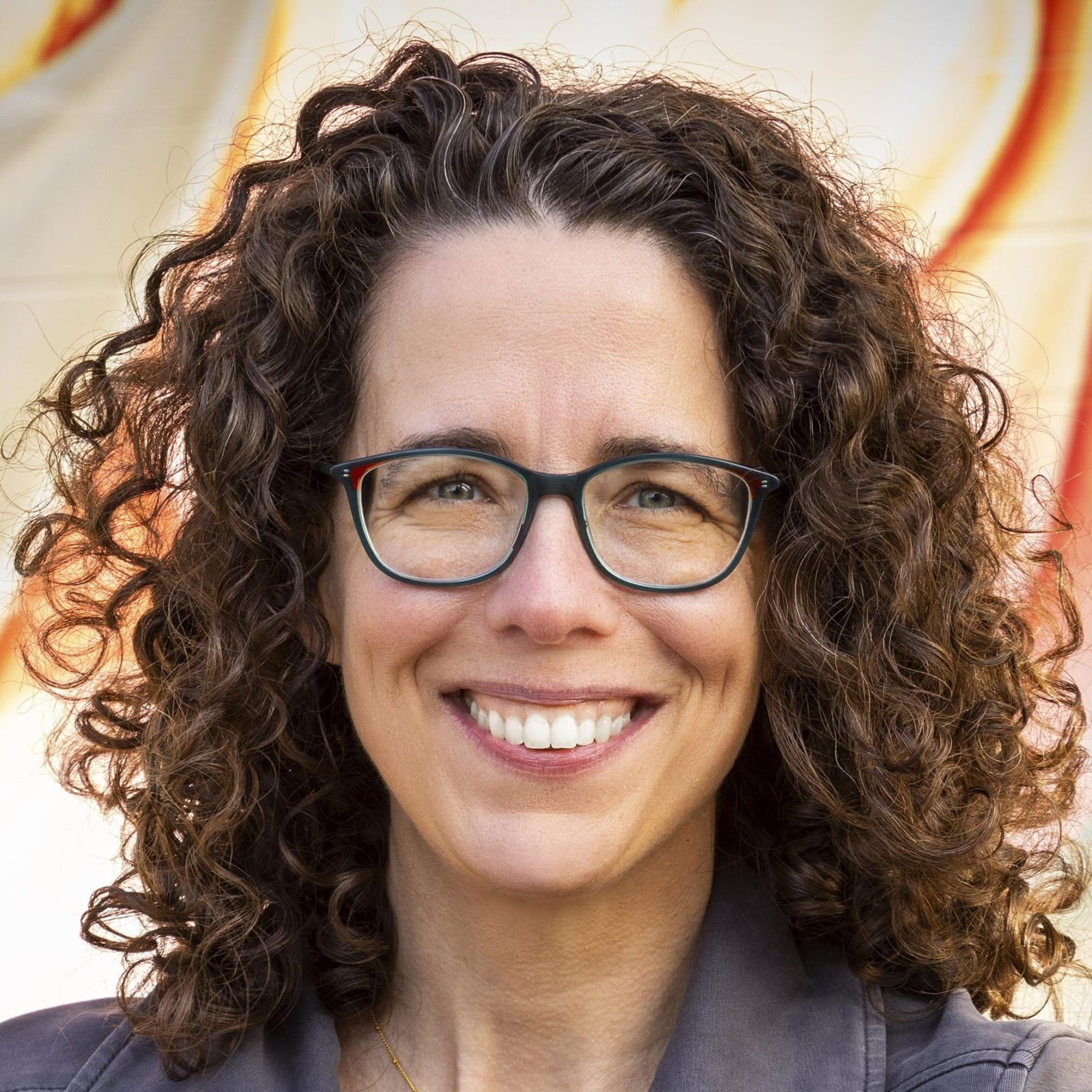
Jane Friedman has spent her entire career working in the publishing industry, with a focus on business reporting and author education. Established in 2015, her newsletter The Bottom Line provides nuanced market intelligence to thousands of authors and industry professionals; in 2023, she was named Publishing Commentator of the Year by Digital Book World.
Jane’s expertise regularly features in major media outlets such as The New York Times, The Atlantic, NPR, The Today Show, Wired, The Guardian, Fox News, and BBC. Her book, The Business of Being a Writer, Second Edition (The University of Chicago Press), is used as a classroom text by many writing and publishing degree programs. She reaches thousands through speaking engagements and workshops at diverse venues worldwide, including NYU’s Advanced Publishing Institute, Frankfurt Book Fair, and numerous MFA programs.