I mention this recent piece by Elle Griffin—getting shared everywhere—with the greatest reluctance because I’d rather deprive it of oxygen and see it go away than cause it to receive more attention. But I’m being sent the link and asked to comment.
Griffin, who has long been a Substack advocate, surfaces many quotable nuggets and stats from the DOJ vs PRH trial from 2022. Everything she discusses has also been discussed in this newsletter, Publishers Weekly, Publishers Lunch, and many mainstream publications. In other words, there’s plenty of rich analysis of the trial and what it means for authors, and I’ve linked to some of my favorite pieces below.
But Griffin’s particular article, nearly two years after the trial, has caught fire. Why? Mostly it’s the clickbait headline and packaging of the information. It’s meant to shock and provoke. I hope you’ll consider what nuance and analysis has been left out that would make it less sensational, although I certainly want writers to clearly understand the realities of the industry.
Here’s what’s undeniably true.
- Most books don’t sell in significant numbers. This has not changed recently; it has always been the case. But if you share book sales numbers with the general public, they are generally shocked because they simply don’t know the typical sales of an average book.
- Many books don’t earn out their advance. In 2009, the New York Times observed that 70 percent of advances don’t earn out. This is generally accepted in the industry and largely by design.
- The majority of authors, at least early in their careers, can’t survive on book advances or book sales alone. This has been the case throughout history. Sure, there are doom-and-gloom surveys that show declining incomes for writers; mostly they are not meaningful unless you look at the particulars. What’s most relevant: It’s challenging to make a living from your art, and it has always been thus.
- Big publishers pay high advances to celebrities, politicians, etc. Big publishers want authors with visibility in the market. I can’t imagine this is news to anyone.
- Publishers do not adequately support the titles they publish with marketing and promotion. This has been a complaint of authors since I started working in the industry. I do think the problem has become worse over time, and the issues at play are complicated, to say the least. More titles are published than ever before (up to 2 million per year if you count self-publishing), media outlets and media coverage for books has dwindled, book discovery has changed in the digital era, etc.
- Authors and smaller publishers have been gaining in market share since at least 2010. This is a good thing, and it’s partly due to Amazon, ebooks, and print-on-demand technology. But big publishers aren’t going anywhere, and they’re starting to partner in new ways with authors—self-publishing authors especially—and they remain powerful in the market.
In short, the statement No one buys books isn’t any more true today than it was five, 10, or 50 years ago.
In fact, book sales look healthier now than they did five years ago. There’s certainly a conversation to be had about publishing’s business model and how Big Five publishers must adapt or how the industry must evolve. But Griffin’s conclusions are facile and mainly serve her own agenda.
For meaningful analysis of the DOJ v PRH trial and where big publishing stands today:
- Learn how digital publishing has transformed the publishing industry from Ann Kjellberg
- Here’s one piece of my commentary written at the time of the trial: The Gatekeepers Have No Clothes
- The business of books and the merger than wasn’t, analysis at Harper’s by Christian Lorentzen
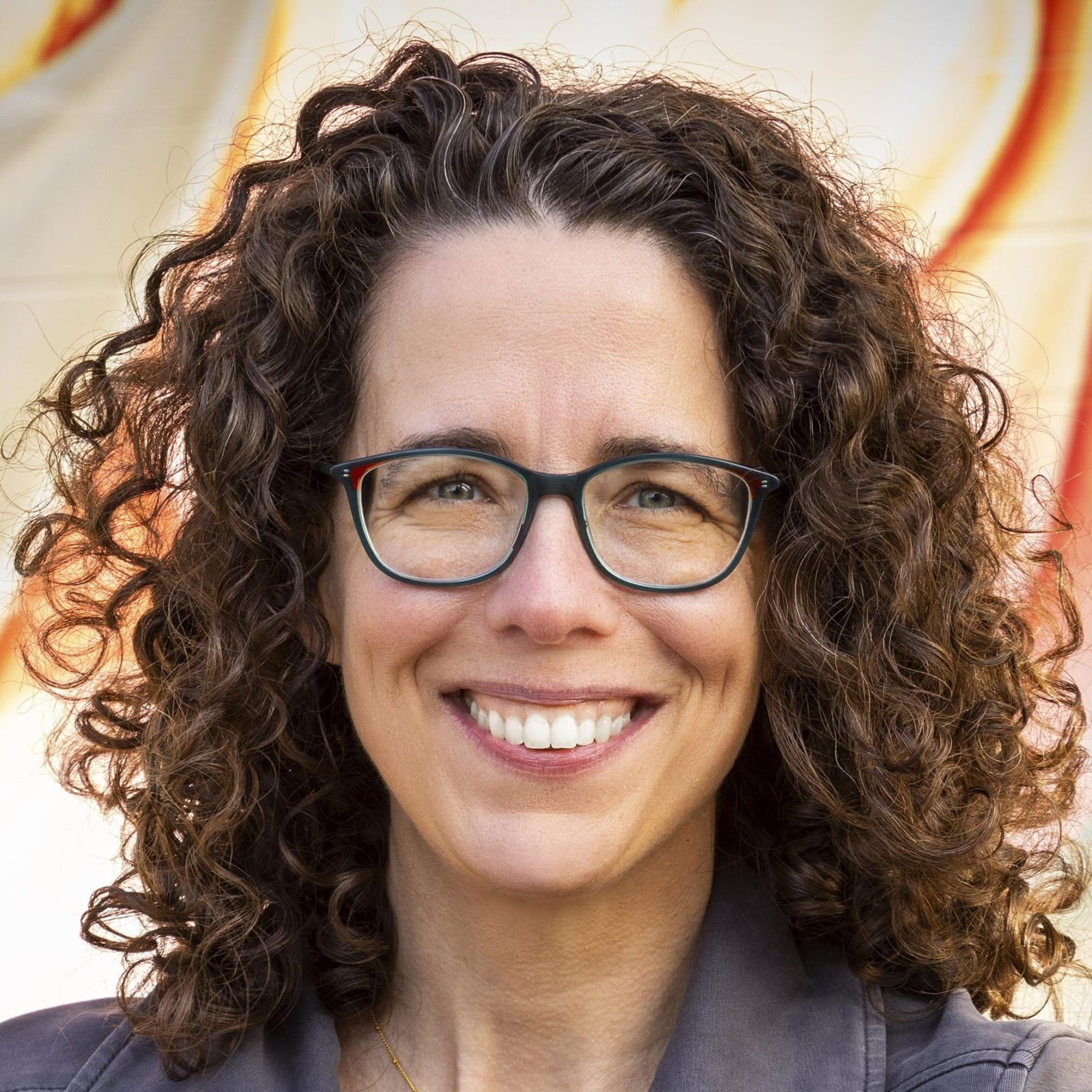
Jane Friedman has spent her entire career working in the publishing industry, with a focus on business reporting and author education. Established in 2015, her newsletter The Bottom Line provides nuanced market intelligence to thousands of authors and industry professionals; in 2023, she was named Publishing Commentator of the Year by Digital Book World.
Jane’s expertise regularly features in major media outlets such as The New York Times, The Atlantic, NPR, The Today Show, Wired, The Guardian, Fox News, and BBC. Her book, The Business of Being a Writer, Second Edition (The University of Chicago Press), is used as a classroom text by many writing and publishing degree programs. She reaches thousands through speaking engagements and workshops at diverse venues worldwide, including NYU’s Advanced Publishing Institute, Frankfurt Book Fair, and numerous MFA programs.