
Our piece on Andrew Rhomberg’s reader-analytics testing in the last edition of The Hot Sheet drew some questions from readers. Rhomberg’s Candy for Publishers, as he calls this work (a pivot for his startup, Jellybooks, which began life as a book-discovery site) analyzes the way readers consume a specific title that a publisher comes to him to test. For example, the system looks at how far into an ebook a reader reads; where readers are likelier to stop reading, if they do; whether there’s a breakthrough point that a reader might pass that tends to indicate that he or she will make it to the end; and what demographic trends may be discerned among readers who do or don’t complete a book.
We thought we’d highlight one comment from The Hot Sheet readership that makes a logical point about how the testing is set up: “Has anyone speculated on whether providing ebooks to prospective readers for free [in testing] affects the likelihood of finishing them? If I’ve shelled out $27.95 for a book, I may be more inclined to ‘get my money’s worth’ than if it’s an ARC sent me by the publisher or even maybe $1.99 on Amazon. Also, I haven’t read whether the readers in the test get to choose the books (or even the genre) they are sent, or whether it’s rather random.”
Rhomberg answers that reader-testers do get to choose what they read, “and while they don’t get paid,” he tells us, readers “get nagged if they don’t download [and] start reading. We even give them a gentle reminder if they didn’t finish, gently asking if they gave up and if so why.
“Also,” Rhomberg goes on, “we measure primarily the completion rates, velocity, and recommendation factor of books relative to each other, so while absolute completion rates may be lower (or possibly higher), it’s relative completion rates that we pay attention to.”
But could the data just be final proof that every book isn’t for everyone?
Rhomberg answers: “Many books are not for everyone…. We’ve seen books with 70 percent completion rates among readers older than forty-five, but only 10 percent with those younger than twenty-five, and vice versa. We try to zoom in on the niche that the book appeals to. The marketing and publicity teams at participating publishers love that level of insight.”
We should make one clarification. In our earlier writeup on Rhomberg’s work, our reference to 90 percent of tested readers tending to give up after five chapters is not a global observation, as it might have seemed. That statistic referenced one title on which the New York Times story had generated some graphics. The wider testing data suggests that typical stop-reading points land at different places in different books, and this, of course, is one of the most valuable elements of the research to publishers on their specific books.
Lastly, an interesting new article is out just this week on Rhomberg’s work with German publishers. In “Der (un)bekannte Leser”—“The (Un)Known Reader”—at Boersenblatt.net, journalist Katharina Gröger makes the point that Amazon and other online platforms have had the ability to track reader usage of books (in the Kindle system), while publishers haven’t had this capacity before now. But despite Rhomberg’s assurance in the article that “there’s been no demand to rebuild novels” based on the reader-analysis of his system, there’s a bit of resistance in comments on that article, as well.
Bottom line: While many acknowledge the potential value of well-interpreted insights into how readers react to authors’ work in ebooks, Rhomberg may yet have a way to go, not only in persuading publishers to try deploying such testing, but also in reassuring readers and writers that this Candy is not as Orwellian as some may think.
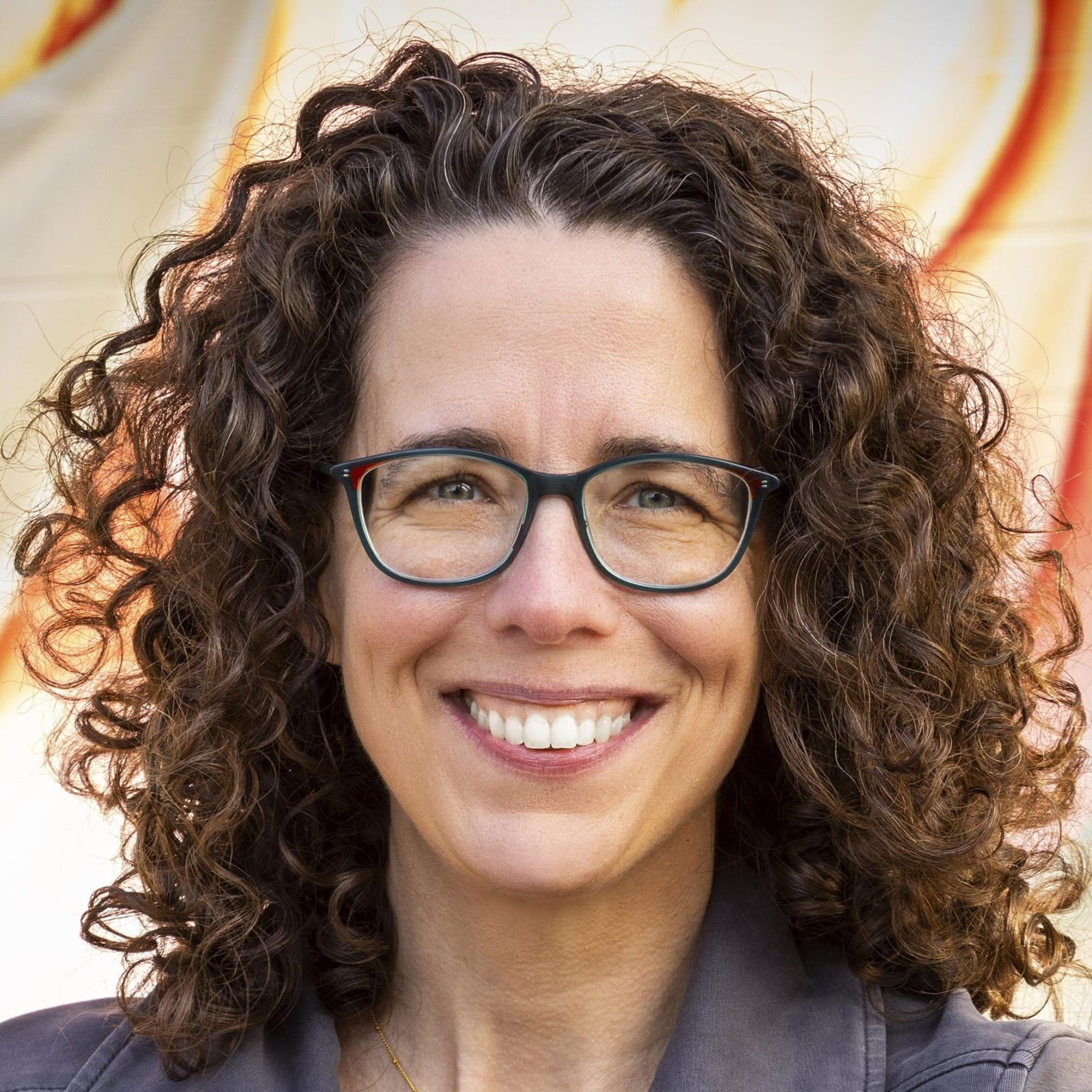
Jane Friedman has spent her entire career working in the publishing industry, with a focus on business reporting and author education. Established in 2015, her newsletter The Bottom Line provides nuanced market intelligence to thousands of authors and industry professionals; in 2023, she was named Publishing Commentator of the Year by Digital Book World.
Jane’s expertise regularly features in major media outlets such as The New York Times, The Atlantic, NPR, The Today Show, Wired, The Guardian, Fox News, and BBC. Her book, The Business of Being a Writer, Second Edition (The University of Chicago Press), is used as a classroom text by many writing and publishing degree programs. She reaches thousands through speaking engagements and workshops at diverse venues worldwide, including NYU’s Advanced Publishing Institute, Frankfurt Book Fair, and numerous MFA programs.
