
Bookselling
- An obituary for Barnes & Noble founder Len Riggio. Along the way, it offers a nice mini-history of the chain bookstore. Read at Shelf Awareness.
- Apple cuts staff from Apple Books. Books will be less of a focus for the company going forward—not enough money in it. Read Zac Hall at 9to5Mac.
Book Marketing
- How one publisher analyzes Amazon data using AI. It requires having an Amazon Vendor Central account. Read Keith Riegert.
Trends
- No more book blobs! We’ve moved on to animals. A cover designer also predicts there will be a rise in “very minimal, solid covers.” Read Patrick Redford at Defector.
- What do cookbook editors look for when acquiring books based on TikTok accounts? Traditional publishers say not every influencer will shine in cookbook form. Read Pooja Makhijani at Publishers Weekly.
Culture & Politics
- A Midwestern writer examines issues of class in the literary community. It’s a long read but offers a solid overview of what’s been written in recent years about class, authorship, and money. Read Brandon North at Cleveland Review of Books.
- Ocean of Books: A beautiful visualization of authors on a map, although not many authors seem to be included so far. Visit.
Legal
- The Internet Archive has lost its appeal in Hachette v Internet Archive. This case began in 2020, when the Archive made ebooks available for digital lending as part of its “National Emergency Library.” The IA unsuccessfully argued fair use as part of a doctrine known as controlled digital lending. Read Andrew Albanese in Publishers Weekly.
- Major publishers, authors, and The Authors Guild sue the state of Florida. They contest the book-banning law that demands removal of any titles containing sexual conduct from school libraries. Read Andrew Albanese at Publishers Weekly.
AI
- More than 30 lawsuits have been brought against AI companies. How much do they hold up in court? The Authors Alliance (which is in the fair-use camp when it comes to AI training) discusses how many of the legal arguments against AI have been dismissed or have not stood up in court. That doesn’t mean the complaints aren’t without merit—just that they are continuing based on fewer, more narrow claims. Whether or not you agree about the fair-use argument, this is helpful analysis. Read Dave Hansen and Yuanxiao Xu at the Authors Alliance.
- OpenAI may owe the New York Times $7.5 billion if it loses its fair-use case. Good analysis here of what’s at stake and why OpenAI is striking deals with so many publishers: “When OpenAI makes its deals with publishers, they are, functionally, settlements that guarantee the publishers won’t sue OpenAI as the Times is doing. They are also structured so that OpenAI can maintain its previous use of the publishers’ work is fair use—because OpenAI is going to have to argue that in multiple court cases, most notably the one with the Times.” Read Elizabeth Lopatto at The Verge.
- OpenAI seeks information during discovery on prompt manipulation by publishers. They accuse publishers of “prompt hacking” to produce outputs that constitute copyright infringement to support their lawsuits. Read Annelise Gilbert at Bloomberg Law.
- Wiley has a better outlook for 2025 because of AI deal. Wiley would’ve seen revenues decline by 1 percent in the most recent quarter if AI revenue hadn’t been factored in. As it stands, sales increased 14 percent. The AI deals involved licensing backlist titles published at least three years; authors are compensated based on contractual terms covering licensing to tech companies. Read Jim Milliot at Publishers Weekly.
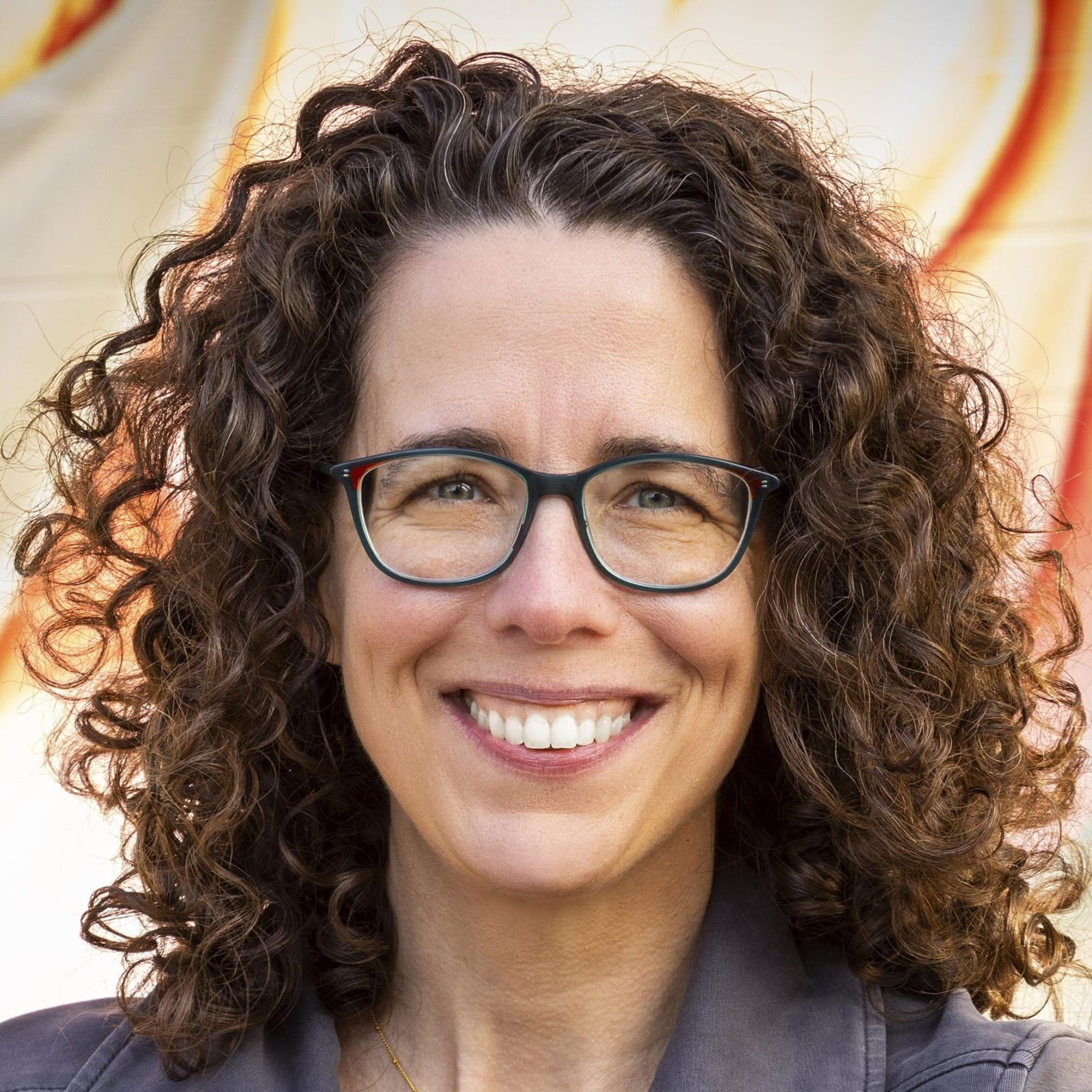
Jane Friedman has spent her entire career working in the publishing industry, with a focus on business reporting and author education. Established in 2015, her newsletter The Bottom Line provides nuanced market intelligence to thousands of authors and industry professionals; in 2023, she was named Publishing Commentator of the Year by Digital Book World.
Jane’s expertise regularly features in major media outlets such as The New York Times, The Atlantic, NPR, The Today Show, Wired, The Guardian, Fox News, and BBC. Her book, The Business of Being a Writer, Second Edition (The University of Chicago Press), is used as a classroom text by many writing and publishing degree programs. She reaches thousands through speaking engagements and workshops at diverse venues worldwide, including NYU’s Advanced Publishing Institute, Frankfurt Book Fair, and numerous MFA programs.