
Traditional Publishing
- What it takes to sell a memoir, hybrid memoir, or essay collection these days: For those hoping for an agent or significant traditional publishing deal, don’t miss this roundtable. Read Alia Habib’s Delivery & Acceptance.
- Then read this longish post about working with a small press: “If you’ve attended any writing conferences or gone through an MFA program, you’ve almost certainly encountered one of those grim panels of jaded publishing professionals: an agent, a couple editors, maybe a publicist, assembled to give you the straight story of how to get your book published. If you’ve attended one of these, you know how discouraging they are.” Read Tom McAllister at the Metropolitan Review.
- Dark academia: a fast-growing category of fiction? So claims this article by Elyse Graham, who studied deal announcements in Publishers Marketplace. While I’m not quite ready to call dark academia an established subgenre, this is a very interesting look at the trends affecting what fiction sells today and why. Read at Public Books.
Bookselling
- Barnes & Noble will purchase independent bookstore Books Inc. The Bay Area bookstore filed for bankruptcy in January, and Barnes & Noble already has experience taking over a struggling independent bookstore. Just last year it acquired Denver’s Tattered Cover and retained its independent identity. The same will be true for Books Inc. Learn more from Dani James at Retail Dive.
- How bookstores are affected by the military presence in Washington DC. Some report a decline in sales as would-be customers avoid the city. Read Claire Kirch at Publishers Weekly.
Creator Economy
- Patreon has revamped its newsletter functionality. It’s apparently an attempt to compete with Substack. Too little, too late? Read Mark Stenberg at Adweek.
- Threads goes long. Threads posts now support text attachments of up to 10,000 characters. Read Karissa Bell at Engadget.
Culture & Politics
- Are book awards losing credibility? A past judge of one of the biggest US book awards believes they are “out of control.” One thing is for sure: You cannot rely on awards to tell you much about the best books published in any given year. Read Jan Harayda at Jansplaining. The full article requires a paid subscription, but it’s worth reading just the free part.
- Everyone is coming to terms with the disappearance of professional criticism. This has been playing out for more than a decade (or even since the arrival of the internet), with countless articles in which critics try to argue how much their role matters and that they should be paid well. But the world has changed, and we need to acknowledge that. Read Charlotte Klein at New York Intelligencer (sub may be required). This is a good follow-up piece: A critic known only as BDM smartly differentiates between media organizations and cultural criticism.
- Red Sox holds Fourth Wing Night. The event drew 10,000+ Rebecca Yarros fans to Fenway Park, and it was their biggest promotion ever. Yarros threw the first pitch. Learn more. H/t to reader Jonathan Ostrowsky.
AI
- AI comes to literary magazine submissions. I find this a fascinating discussion of a new submissions manager with AI features, likely to compete against Submittable if it does well. For literary people, this may be a torturous development. We all know that literary publishing needs better, cheaper, and more efficient tools because they have limited resources, but will they accept the role of AI in helping them survive? Read Becky Tuch at Lit Mag News.
- Translation jobs are drying up. I have a friend who enjoyed work for years as a freelance German translator for product catalogs, films, and books, and he saw work decline long before AI became as good as it is now. Eventually, I believe the work of many translators will go the way of typesetters. Read Brian Merchant at Blood in the Machine.
- AI helps journalists monitor public and government meetings. One writer says, “Usually school board meetings can be anywhere from an hour to six or seven hours. … [AI tools] can skip over every other part of the meeting that I’m not interested in and then just skip to that specific discussion. Then I can either just watch that section—and maybe they talked about it for 45 minutes so I can watch the 45 minutes—or I can scroll through the transcript and understand what happened. I will specifically pull out quotes that I can then use in the article. That has been what’s most helpful.” Read Clare Spencer at Generative AI Newsroom. H/t AI Sidequest newsletter.
- Libraries continue to have trouble with AI-generated books entering their collections. Sometimes they’re easy to spot, but lack of clear metadata and disclosure makes this task harder than it should be. As I’ve worried all along, self-published authors and books may get more scrutiny going forward, as they make their way to libraries in much the same way as AI-generated slop. Read Reema Saleh at the ALA.
- AI and irrational exuberance. A media industry commentator looks to the past as a way of understanding what may happen now: “The aftermath of the dot-com implosion was refreshing because it washed out a lot of idiocy and opportunists (the course sellers of those days) while the broadband infrastructure was used to build a massive digital economy that in many ways over-delivered on what was seen as out-of-touch promises of the dot-com hucksters.” Read Brian Morrissey at The Rebooting.
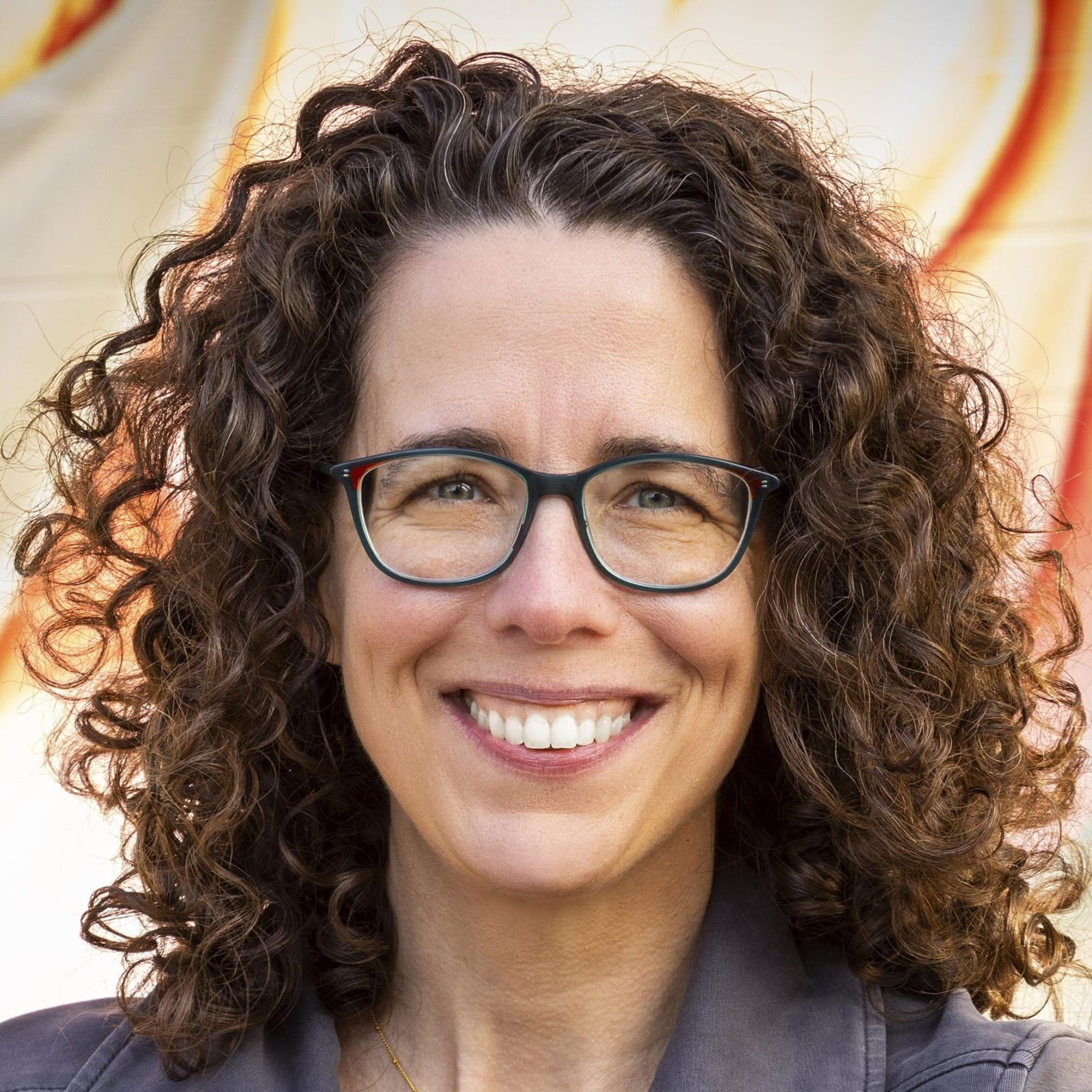
Jane Friedman has spent her entire career working in the publishing industry, with a focus on business reporting and author education. Established in 2015, her newsletter The Bottom Line provides nuanced market intelligence to thousands of authors and industry professionals; in 2023, she was named Publishing Commentator of the Year by Digital Book World.
Jane’s expertise regularly features in major media outlets such as The New York Times, The Atlantic, NPR, The Today Show, Wired, The Guardian, Fox News, and BBC. Her book, The Business of Being a Writer, Second Edition (The University of Chicago Press), is used as a classroom text by many writing and publishing degree programs. She reaches thousands through speaking engagements and workshops at diverse venues worldwide, including NYU’s Advanced Publishing Institute, Frankfurt Book Fair, and numerous MFA programs.