
Bookselling
- Barnes & Noble’s CEO takes stock. It’s been six years since James Daunt took the helm of the chain bookstore. His perspective remains calm and long-term focused, even in the face of widespread concern about children’s reading. He says, “I’ve been told forever about this crisis. What’s astonishing is that I don’t think there’s a parent who doesn’t believe that a child’s prospects aren’t improved by reading. I see an enduring respect for it, and not just within the middle class. Our middle-grade sales haven’t gone down—they’ve changed. Our returns rates on hardcovers were astonishing; we take in less now, and sell more softcovers. We’re bursting out of our kids’ sections—that’s a very strange thing to be happening to a dead category.” Read Gayle Feldman at The Bookseller.
- Meanwhile, Barnes & Noble hopes to replace Baker & Taylor for some libraries. It recently promoted its ecommerce portal, opened in 2020, for libraries. Through the portal, B&N offers discounts of 20 to 35 percent off most titles. Read Jim Milliot in Publishers Weekly.
- Books-A-Million opening new stores. The second-largest bookselling chain in the US says it is doing well and will open 15 new outlets this year. Faith-based books, which have seen significant sales increases in recent years, have always been important to the chain. Read Jim Milliot in Publishers Weekly.
- A Big Five editor believes specialty bookstores are the future. He says there’s a benefit to going smaller to find an even bigger audience. I wonder if the same thinking might apply to publishers? Read Sean Delone at Dear Head of Mine.
Trends
- What is the omegaverse and where did it come from? Agent Alyssa Morris offers a deep dive on this subgenre of paranormal romance that has its roots in fanfiction. Read at Romancing the Phone.
- The distribution problem for (smaller) publishers: This is a helpful look at the high costs of book distribution today (not sales, just distribution). Canadian publisher Kenneth Whyte says, “The slow disappearance of reliable, affordable distribution partners doesn’t get as much attention in our world as book bans, Amazon, corporate concentration, and AI, but right now it’s a huge problem in the industry. There aren’t a lot of obvious alternatives, although there’s a lot of experimentation. People I’ve spoken to in the sales and distribution space in the US say they’ve seen more innovation in the last five years than in the last 40, much of it running in the direction of publishers selling direct to consumers or relying more on Amazon.” Read at SHuSH.
- What fiction are men reading these days? Some of them are reading thriller novelist and former Navy SEAL Jack Carr; his debut novel released in 2018. He also has three podcasts, a book club, a newsletter, a blog, and a line of merchandise (beer steins, sunglasses, onesies, watches, sweatshirts, cutting boards, and golf balls). Read Elisabeth Egan in the New York Times (gift link).
Culture & Politics
- Author Michael Wolff sues Melania Trump. Wolff is working on a book about the Trumps and their alleged ties to Jeffrey Epstein; Melania has threatened him with a $1 billion lawsuit. He says the first lady’s legal threats are “intended to shut down legitimate inquiry into the Epstein matter.” Read Chloe Atkins and Dareh Gregorian at NBC News.
- Texas book-rating law ruled unconstitutional. Since 2023, the Texas READER law has required books in the state to be rated for “sexually explicit” content. A judge has ordered a permanent injunction to block it as a violation of the First Amendment and also says the law is void because it is so vague. Read Nathalie op de Beeck at Publishers Weekly.
- A different Texas book-related case could end up at the Supreme Court. A federal court ruled in May that librarians’ freedom to choose which books to shelve is not constitutionally protected. The plaintiffs, which include the Big Five publishers and American Library Association, want the Supreme Court to rule on the case. Read Nathalie op de Beeck at Publishers Weekly.
AI
- Most herbal remedy books sold on Amazon are likely AI generated. Unsurprising. If you click through to the original study, you’ll discover that these AI-written books tend to use the same keywords in their titles: apothecary, ancient, holistic, and Bible. The authors also frequently have nature-themed names like Rose, Fern, Clove, Ash, and Sage. Read Aisha Down at The Guardian.
- Spotify is working on AI music tools with major record labels. Spotify says it will employ upfront agreements and not ask for forgiveness later, a clear swipe at OpenAI’s Sora, among others. Read Imran Rahman-Jones at the BBC.
- A new study shows widespread adoption of AI in writing assistance. It shows up in about a quarter of corporate press releases, as well as in LinkedIn job postings and consumer complaints. US regions with lower education showed somewhat higher adoption rates in consumer complaints. Review the study at Patterns.
Legal
- Simon & Schuster sues the estate of author Nelson DeMille. The author signed a three-book deal, but did not finish the third book before he died. So S&S is attempting to recoup the advance paid for the third book, as well as money paid for an outline. DeMille’s children dispute that S&S is owed anything—in fact, they claim the advance for the third book and outline were never paid—and their legal filing says, “S&S wanted to escape what it considered costly, over-market ‘legacy’ pricing, given the decreasing profitability of the general major-fiction market.” Read Kathianne Boniello at New York Post.
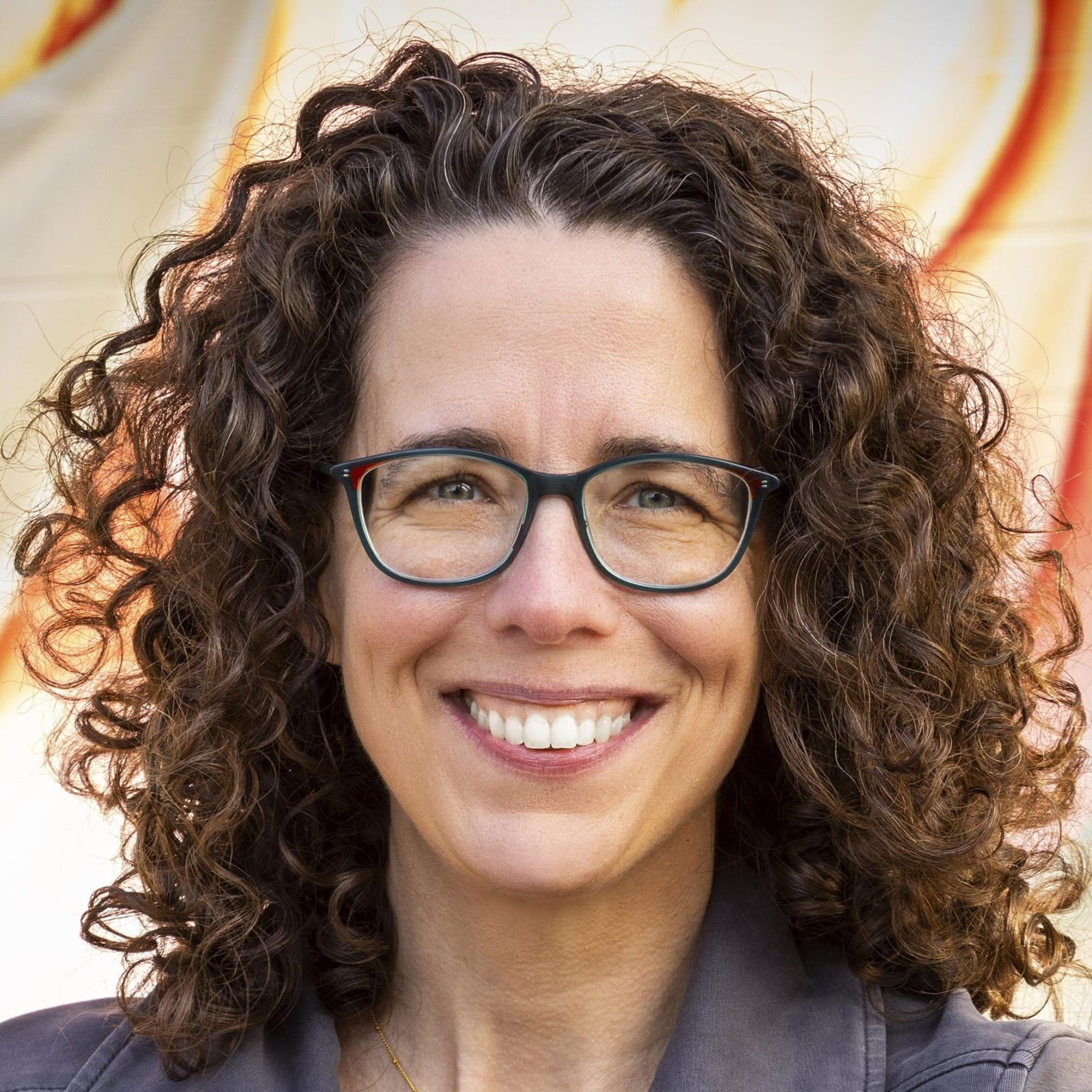
Jane Friedman has spent her entire career working in the publishing industry, with a focus on business reporting and author education. Established in 2015, her newsletter The Bottom Line provides nuanced market intelligence to thousands of authors and industry professionals; in 2023, she was named Publishing Commentator of the Year by Digital Book World.
Jane’s expertise regularly features in major media outlets such as The New York Times, The Atlantic, NPR, The Today Show, Wired, The Guardian, Fox News, and BBC. Her book, The Business of Being a Writer, Second Edition (The University of Chicago Press), is used as a classroom text by many writing and publishing degree programs. She reaches thousands through speaking engagements and workshops at diverse venues worldwide, including NYU’s Advanced Publishing Institute, Frankfurt Book Fair, and numerous MFA programs.