
Traditional Publishing
- About that Tin House purchase by Zando: Another person is asking Why? about this deal, and in a more thoughtful way than I did in the last issue. My guess: Either Zando offered much more money than it was worth, or … it was worth very little? The fact the Tin House workshops were not sold to Zando probably tells you where the real profits are. Read Cassie Mannes Murray at Pine State Publicity.
- Will authors really get the money they’re owed by Unbound? Unbound, a crowdfunding publisher in the UK, has been bought by Boundless, a new company run by the people who used to lead Unbound. Boundless will be a traditional publisher and says it will pay any monies owed to authors by Unbound. This is a strange series of events. Read Lucy Knight in The Guardian.
- Reviving middle-grade books. The leaders of five imprints discuss how they plan to get middle-grade books out of their slump. More graphic treatments and shorter books are the big themes. Read Pooja Makhijani at Publishers Weekly.
- What are writers’ chances of getting out of the slush pile? According to a professor who’s studying the profession of literary agents, not good, if you’re looking at numbers alone. The big caveat I’d add: The types of books that agents avidly want to see (or can sell) probably aren’t queried as much as unattractive projects. For writers who understand the market even a little—and let that influence what they write just a little—the chances of attracting agent interest skyrocket. Read Laura B. McGrath at textCrunch.
Marketing & Publicity
- In case you missed it: Digital advance review copies in NetGalley can no longer be read on Kobo or Nook devices. This goes hand-in-hand with NetGalley’s announcement earlier this year they have moved away from Adobe DRM and now use Readium LCP. NetGalley and Kobo have been communicating about the issue, but ultimately Kobo must prioritize support of Readium LCP files. Learn more about the change in Shelf Awareness.
Culture & Politics
- President Trump orders the closure of the Institute of Museum and Library Services. IMLS is a federal block grant program that supports and extends library services through state libraries; it is the only federal agency that supports libraries. IMLS partners with the nonprofit Young Artists and Writers to administer the National Student Poets Program. Read Nathalie op de Beeck in Publishers Weekly.
- OpenAI wants President Trump to declare AI training fair use. Why? Because, OpenAI says, national security depends on it. Read Ashley Belanger at Ars Technica. Meanwhile, the Association of American Publishers has pushed back. Read Ed Nawotka in Publishers Weekly.
- The FTC will continue with at least one of its cases against Amazon. The FTC sued Amazon in 2023 for deceptive business practices associated with Amazon Prime. After initially requesting a delay, the government is pushing ahead. Read Annie Palmer at CNBC.
AI
- The problems with AI-driven research tools. Benedict Evans writes, “The models keep getting better, but this misses the point. Are you telling me that today’s model gets this table 85 percent right and the next version will get it 85.5 or 91 percent correct? That doesn’t help me. If there are mistakes in the table, it doesn’t matter how many there are—I can’t trust it. If, on the other hand, you think that these models will go to being 100 percent right, that would change everything, but that would also be a binary change in the nature of these systems, not a percentage change, and we don’t know if that’s even possible.” Read at his website.
- Related: AI search has a citation problem.
- Wiley releases guidelines for its authors about how to use AI. The main takeaway: Authors can use AI as a companion to the writing process, but not a replacement. One of the examples of permitted use includes prompting the AI for a 300-word case study on leadership. Review Wiley’s guidelines. A Wiley executive says in a press release, “At Wiley, we’d rather embrace this shift than fight it. Our recent study shows these technologies will be everywhere within two years, and we want our authors to use them confidently while adhering to the strictest standards of quality and ethics. That’s why we’ve created straightforward guidelines that cut through the hype and help people do their best work while using these new tools.”
- Is the latest AI-generated fiction that everyone’s talking about any better than usual? The short answer: yes. But that doesn’t mean it’s a piece of fiction that anyone will find compelling or even worth reading. Read Lincoln Michel at Counter Craft.
- Eight newspapers sue OpenAI and Microsoft for copyright infringement. This case is similar to the one filed by the New York Times and was filed in the same district; possibly a judge could combine the complaints. Other media companies have chosen to strike licensing deals with OpenAI instead of sue. Read Sara Fischer in Axios.
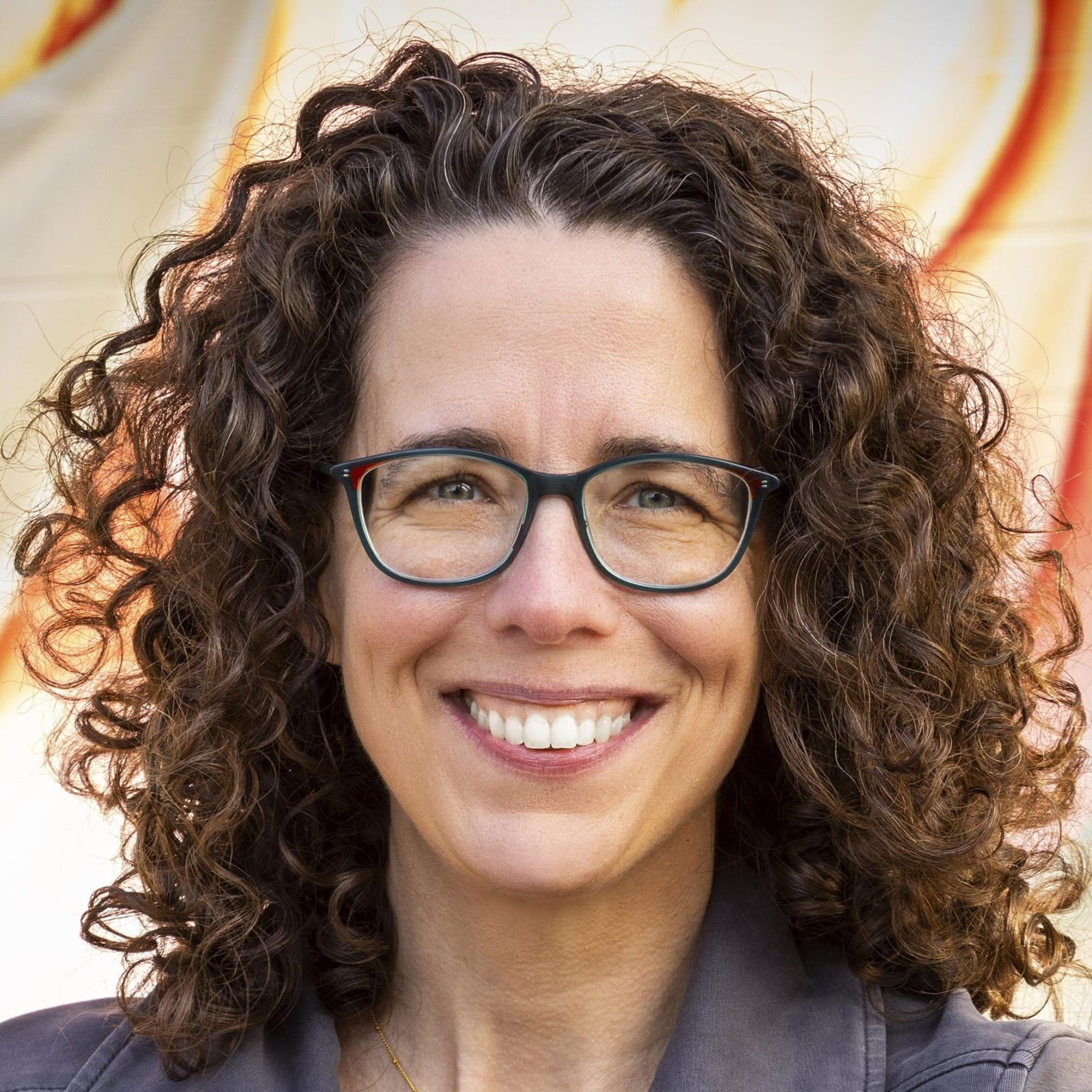
Jane Friedman has spent her entire career working in the publishing industry, with a focus on business reporting and author education. Established in 2015, her newsletter The Bottom Line provides nuanced market intelligence to thousands of authors and industry professionals; in 2023, she was named Publishing Commentator of the Year by Digital Book World.
Jane’s expertise regularly features in major media outlets such as The New York Times, The Atlantic, NPR, The Today Show, Wired, The Guardian, Fox News, and BBC. Her book, The Business of Being a Writer, Second Edition (The University of Chicago Press), is used as a classroom text by many writing and publishing degree programs. She reaches thousands through speaking engagements and workshops at diverse venues worldwide, including NYU’s Advanced Publishing Institute, Frankfurt Book Fair, and numerous MFA programs.