
Traditional Publishing
- How to subtitle your book so people will read it: Any author pitching nonfiction should read this article. Read Tajja Isen at Lit Hub (who did clearly find a way to promote her book without writing an op-ed!)
- How US and UK publishers collaborate: When things go right, everyone enjoys a book sales boost. Read Neill Denny and Ed Nawotka in Publishers Weekly.
- What do agents see on their end in QueryManager? If you use QueryManager to query agents, this is a must-read. Read Carleen Geisler at The Sh*t No One Tells You about Writing.
- The latest Lee & Low diversity survey is now available. The survey is run every three years and garners increasing participation over time. Take a look.
Bookselling
- An author calls Barnes & Noble corporate offices about stocking her book. Please don’t do this; it does not help your book get stocked. Read Michele Herman at Lit Hub.
- Books for booksellers: a good reading list if you want to understand the ins and outs of small, retail bookshops. Read Rachael Conrad at Lit Hub.
Trends
- How fan fiction generates profits (but not for the authors). Fan fiction, in most cases, constitutes copyright infringement, therefore authors cannot sell it without putting themselves in legal jeopardy. But on sites like Etsy, you can find fan fiction merchandise and bound copies of it sold by everyone but the author. Read Elizabeth Minkel at Wired (subscription may be required). 404 Media’s Samantha Cole has a similar story (requires free signup).
- TikTok: It’s like broadcast TV now. The writer argues that TikTok has been trending more toward the mainstream for a long while. Half of users don’t even post. Read Caroline Mimbs Nyce at The Atlantic (gift link).
- A look at the famous women with book clubs. This is not a new trend in the least, but here’s the latest look at celebrities hawking books. Read Emily Gould at The Cut.
Amazon
- A full explication of the David Goggins lawsuit against Amazon: Even if you know all the facts, it’s worth reading. Read Ken Whyte at SHuSH.
- Amazon delists Bookwire ebooks. Bookwire is the biggest ebook distributor in Germany and also distributes titles in other markets; a spat with Amazon has led to title delisting. Read Ed Nawotka in Publishers Weekly.
AI
- Workshop on AI-assisted writing causes upset. The online class was offered through an RWA chapter. It doesn’t seem that diabolical, and it’s all but certain such workshops will be unobjectionable before much longer. Read Samantha Cole at 404 Media (requires signup).
- How AI is affecting low-wage freelance work. There’s been a significant decrease in writing and translation jobs posted to Upwork. Read Henley Wing Chiu at Bloomberry.
- Lore: Generate a comic or graphic novel from your manuscript. It remains tough to achieve consistency, but the results are impressive and will only improve over time. Read Will Douglas Heaven at MIT Technology Review.
Culture & Politics
- A Congressional bill to “ban” TikTok has resurfaced. The bipartisan legislation would force parent company ByteDance to divest its TikTok app ownership within 165 days; the TikTok app would be banned from app stores otherwise. The bill has already passed the House and now goes on to the Senate. Read Isaac Saul at Tangle.
- Staffers resign from Guernica after it publishes and retracts an Israeli essay. Guernica, established in 2004, is an online magazine publishing on art and politics. Over the weekend, it published an essay by a Jewish liberal writer and translator who lives in Israel; some characterize the essay as deeply critical of Israel, and others label it an apology for genocide. Blowback from the literary world was swift. Read Jenny Jarvie at the Los Angeles Times.
- SCBWI responds to authors who have demanded it call for a ceasefire in Gaza. The response reads, in part, “SCBWI is a grassroots membership organization, but it is not a collective, and the organization’s role is to support your voices as children’s book creators, not to speak for you, without your consent. SCBWI does not have the consent of its 20,000 members to call for a ceasefire on your behalf.” Read Nathalie op de Beeck at Publishers Weekly.
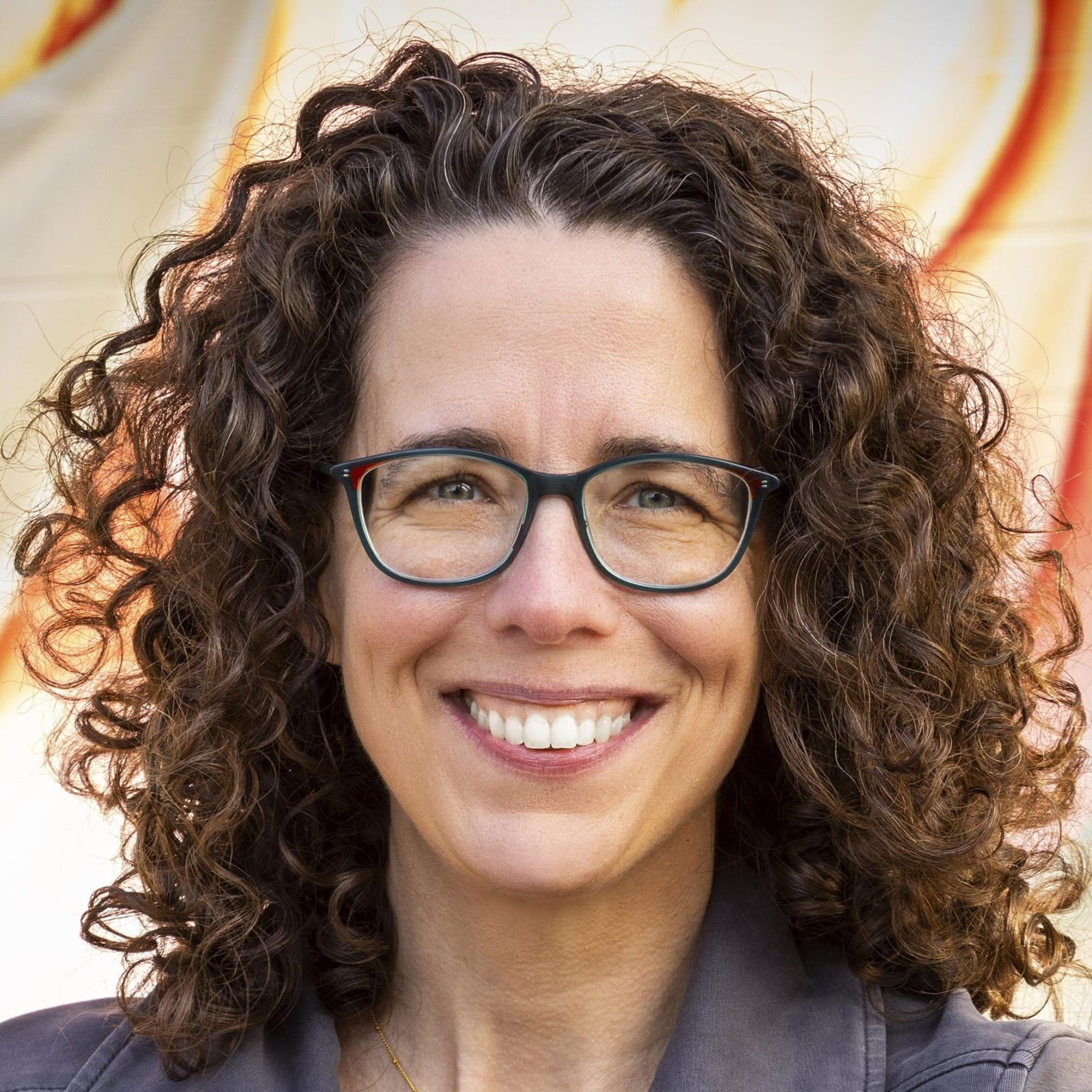
Jane Friedman has spent her entire career working in the publishing industry, with a focus on business reporting and author education. Established in 2015, her newsletter The Bottom Line provides nuanced market intelligence to thousands of authors and industry professionals; in 2023, she was named Publishing Commentator of the Year by Digital Book World.
Jane’s expertise regularly features in major media outlets such as The New York Times, The Atlantic, NPR, The Today Show, Wired, The Guardian, Fox News, and BBC. Her book, The Business of Being a Writer, Second Edition (The University of Chicago Press), is used as a classroom text by many writing and publishing degree programs. She reaches thousands through speaking engagements and workshops at diverse venues worldwide, including NYU’s Advanced Publishing Institute, Frankfurt Book Fair, and numerous MFA programs.