
Traditional Publishing
- Penguin Random House CEO steps down. Not long after Markus Dohle’s resignation as worldwide CEO of PRH, Madeline McIntosh has stepped down as CEO of the US operation. And another mainstay of PRH, Gina Centrello, also left recently. Read Jim Milliot in Publishers Weekly.
- NPD’s Kristen McLean predicts that publishers will be conservative in approach in the year ahead. She anticipates layoffs in the face of higher costs and a reduction in page-to-screen projects as streaming services cut back on production. Read Jim Milliot in Publishers Weekly (subscription required).
- A look at indigenous voices in book publishing: Don’t call it a renaissance, says one writer—because that indicates a decline will happen, when instead the industry is waking up. Read Nathalie op de Beeck at Publishers Weekly.
- Download a database of the top 1,000 lit mags. The database lists payment, reading period, and so on. (Number-one mag? The New Yorker.) Visit Brecht de Poortere’s site.
- An entertaining review of a book-publishing memoir. Stephen Rubin oversaw the publication of 4,000 books while at Bantam, Doubleday, and Holt. Publisher Kenneth Whyte offers highlights. Read at SHuSH.
The Barnes & Noble “Comeback”
- Barnes & Noble’s rebranding to lovable neighborhood bookstore. The good PR train continues chugging along for the chain, in a piece that mostly rehashes what’s already been reported elsewhere. Read Rob Walker at Fast Company.
- The New York Times doesn’t want to miss out on the B&N comeback story either. Most of this seems sparked by the Wall Street Journal piece (subscription required) appearing earlier this year, as well as Ted Gioia’s commentary. CEO James Daunt must be happy. Read Ezra Klein.
Bookselling
- Independent bookstores reflect on 2022 sales. They’ve seen good sales gains over 2021, with online orders declining and TikTok bringing in younger customers. Read Ed Nawotka, Claire Kirch, and Nathalie op de Beeck at Publishers Weekly.
- Waterstones had record profits last year. It’s being called a “massive recovery.” Annual sales rose 73 percent and exceeded pre-pandemic sales. Read more in Shelf Awareness.
- More feminist bookstores are opening. There are roughly double the number today than when Trump took office. Read Kathleen B. Casey at Ms.
- UK booksellers say customers are switching to paperback from hardcover. Why? To save money as budgets tighten. While none of the biggest publishers would comment, agents and others continue to speculate that there will be a strong shift to paperbacks this year in both the UK and North America. Read at the Bookseller (subscription required).
Trends
- LinkedIn, the Twitter replacement? Jane can confirm that her engagement on LinkedIn surpasses that on most other social media. This article offers a brief look at why that is. Read David Tvrdon at the Fix.
- How book publishing might change if Twitter goes under: In just about any other article that discusses publishing and social media (cough), most will say a nice Twitter following, even if desirable, does not equate to book sales. But of course when the platform appears to be in danger, everyone panics, and suddenly it becomes critical. (Jane’s educated opinion: Of all the ways to directly hawk your own book, Twitter is often the weakest platform—unless there’s a big-deal person recommending you on Twitter.) Read Sophie Vershbow at Esquire.
- Prices appear to be creeping up for YA paperbacks. Does that create a barrier to reading? As calculated from a tiny sample, prices look to be up a dollar on average, likely driven by increased printing and paper costs. The writer worries teens will get priced out of their own literature, although YA is read as much by adults. Unstated: Book prices have remained stagnant for years, and of course authors’ earnings are directly tied to book prices. There’s an ecosystem here, and it’s reductive to imply that increasing prices amounts to publishers being greedy. Read Kelly Jensen at Book Riot.
- Maybe the book doesn’t need to be disrupted. Author Lincoln Michel argues that reading books is a technology that works as intended and doesn’t need additional “features.” Read Counter Craft.
Amazon
- Comixology affected by Amazon layoffs. A former employee estimates that half (or perhaps up to 75 percent) of the staff have been let go. Read Jeremy Blum at CBR.
- Amazon closes the Smile program. AmazonSmile was a program benefiting charities by allowing customers to donate .5 percent of their eligible purchases to the charity of their choice. Since it began, it has distributed a half billion dollars in donations. Read the press release.
- How the Amazon book series carousel works: It’s changed the nature of also-boughts on book product pages. Read Monica Leonelle at Aggressively Wide.
Writer Beware
- Webnovel has a bad contract. Webnovel, started by a Chinese company, is a serialization platform focused on the North American market. Read Victoria Strauss at Writer Beware.
AI
- AI and the big five tech companies. One of the foremost commentators on the tech industry discusses how the AI epoch might unfold. Read Ben Thompson at Stratechery.
- ChatGPT and screenwriting: This article could be about any writing-related endeavor, so not much new to see here. The real fun comes at the end, with script pitches written by ChatGPT. Read Katie Kilkenny and Winston Cho at the Hollywood Reporter.
- 7 ways for writers to use ChatGPT. Use it to diminish your blind spots, cut the flab, and probe your own thoughts. Read Jeremy Caplan at Wonder Tools.
- A literary magazine prohibits use of AI in submitted work. The new policy applies going forward and retroactively. Expect more journals to establish such policies. Read the Fabulist magazine policy.
Politics & Culture
- The New York Times interviews the romance writer accused of faking her own death online. She says her online community had become a danger to her mental health: “I wish I had never met the book industry.” Read Ellen Barry (gift link).
- Trump sues Bob Woodward and Simon & Schuster. Trump alleges that Woodward’s audiobook, The Trump Tapes: Bob Woodward’s Twenty Interviews with President Donald Trump, was published without his permission and infringes his rights. Read Olivia Olander in Politico.
- What literature do we study from the 1990s? The most-assigned 1990s book is The Things They Carried by Tim O’Brien. You can also browse lists from the 1980s and 2000s, both fiction and nonfiction. Learn more at the Pudding.
- Has academia ruined literary criticism? “The professoriat has struggled to demonstrate a connection between the skills cultivated in literature classrooms and those required by the professional-managerial jobs that many students are destined for.” Read Merve Emre at the New Yorker.
- Does Australia need a national publisher? Without one, Australian writers get lost in “Anglo-American cultural imperialism,” one writer argues. Read Robyn Ferrell at the Canberra Times.
- Learn about a book publishing research project. According to its site, MAPP “digitizes and contextualizes publishers’ archives in relation to the people involved in the day-to-day business of creating and selling books” between 1900–1950. Visit the MAPP website.
- The enshittification of the internet. Cory Doctorow analyzes the all-too-common trajectory of Big Tech and social media platforms, with a particular focus on Amazon, Facebook, and TikTok. Read at Wired.
- It’s been three years since the American Dirt controversy. The former editor of the New York Times Book Review, Pamela Paul, reflects on what happened. At least one person in the publishing community was so rankled by Paul’s opinion piece that she returned to her dormant Twitter account to comment.
Just for Fun
- The AP offends the French. The AP noted on Twitter, “We recommend avoiding general and often dehumanizing ‘the’ labels such as the poor, the mentally ill, the French, the disabled, the college educated.” The French Embassy responded by suggesting that it had renamed itself “the Embassy of Frenchness in the United States.” Read Roger Cohen in the New York Times. (H/t to our copyeditor, Nicole Klungle)
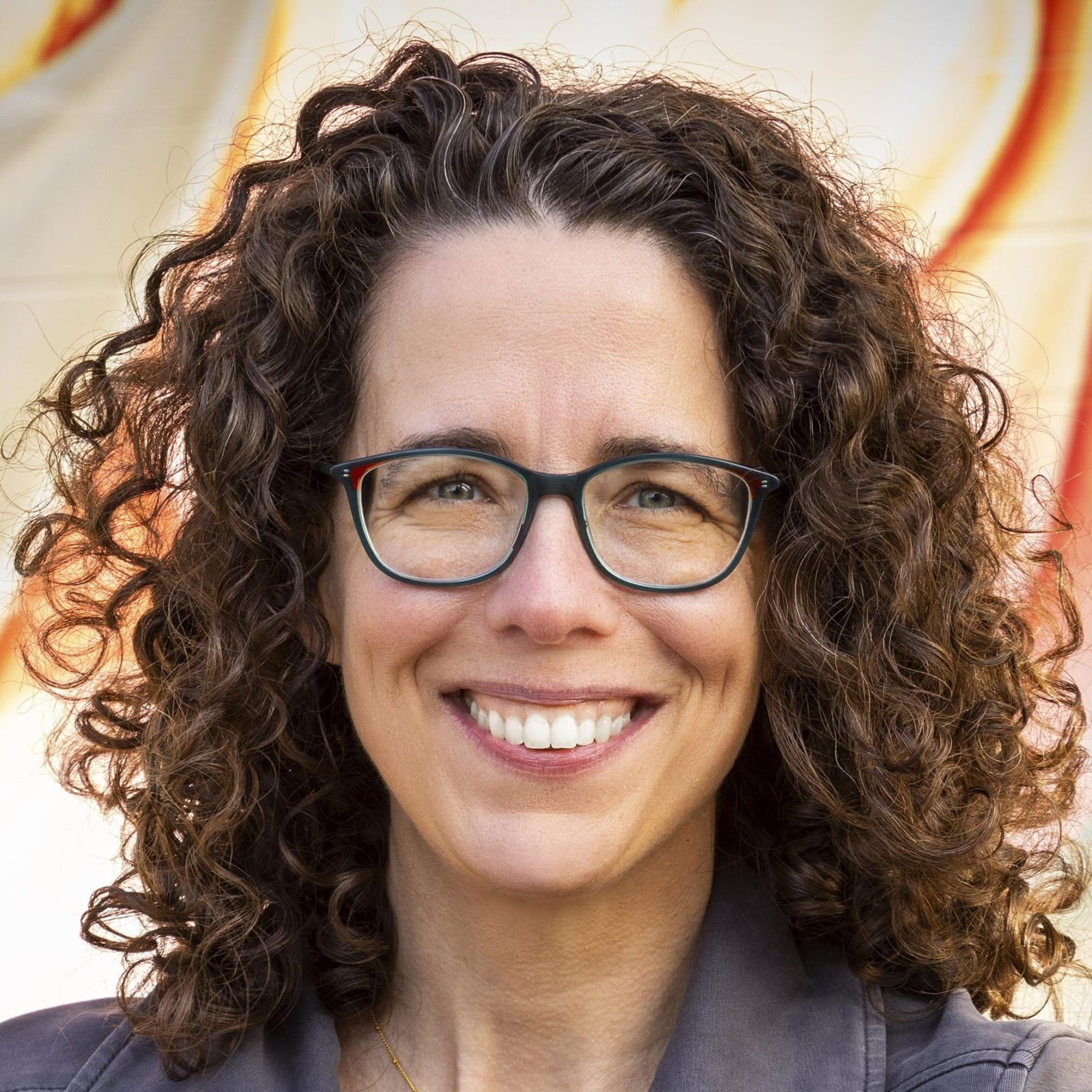
Jane Friedman has spent her entire career working in the publishing industry, with a focus on business reporting and author education. Established in 2015, her newsletter The Bottom Line provides nuanced market intelligence to thousands of authors and industry professionals; in 2023, she was named Publishing Commentator of the Year by Digital Book World.
Jane’s expertise regularly features in major media outlets such as The New York Times, The Atlantic, NPR, The Today Show, Wired, The Guardian, Fox News, and BBC. Her book, The Business of Being a Writer, Second Edition (The University of Chicago Press), is used as a classroom text by many writing and publishing degree programs. She reaches thousands through speaking engagements and workshops at diverse venues worldwide, including NYU’s Advanced Publishing Institute, Frankfurt Book Fair, and numerous MFA programs.