Near the end of September, Novelists, Inc. (NINC) held its annual conference, once more at St. Pete Beach, Florida. What makes NINC unusual is the collective experience of its membership. Novelists, Inc. has around 800 members, and they can count more than 20,000 titles among them, averaging 24 novels per member. As conferences go, this one has the rare luxury of ensured sellouts: its members-only events are faithfully patronized by this personable crowd of seasoned writers.
The requirement for NINC membership is that an author be multi-published, with two or more books on the market. According to the organization’s statistics, 72 percent of the membership is traditionally published. Roughly 85 percent of the membership is self-published, often involving backlist. Sixty-eight percent of NINC members, the group says, are bestsellers.
Business issues are foremost with this group. For example, one roundtable, featuring some of the most successful self-publishing authors who currently work with Amazon KDP, focused on rights issues, including questions of how to leave your estate properly directed to your beneficiaries. And when Katie Donelan of BookBub gave a session, it was called “What’s New with BookBub”—because these are authors who don’t need an introduction to it.
Several key points emerged during the course of the weekend.
- As Sourcebooks’ Deb Werksman put it, “This is the first conference I’ve gone to where anyone has publicly admitted that everything” in indie publishing “isn’t working and making them millions of dollars.”
- The “wall of content” issue, referring to the sheer volume of books and other media growing far faster than the readership, came up several times.
- Members brought forward a number of case studies indicating that it can be extremely difficult to get readers to move from book number one to the rest of a series. We asked whether series may be less popular than in the past, now that there’s so much entertainment available. It’s too early to say, but the question is a good one.
Bottom line: NINC’s conference is valuable because its members aren’t writers trying to break in; most of them broke in long ago. And one of the most interesting trends in panel discussions and conversations had to do with volume of output and speed of writing. A couple of editors from major houses readily conceded that traditional publishing can be too slow. But the sense was that churning out several books each year—basically throwing more content on the market—isn’t the answer, either. Does the answer lie in a kind of self-curation—banking on quality over quantity? Maybe, although genre authors, especially in romance, worry about the consequences of disappearing from the market for more than a few months at a time.
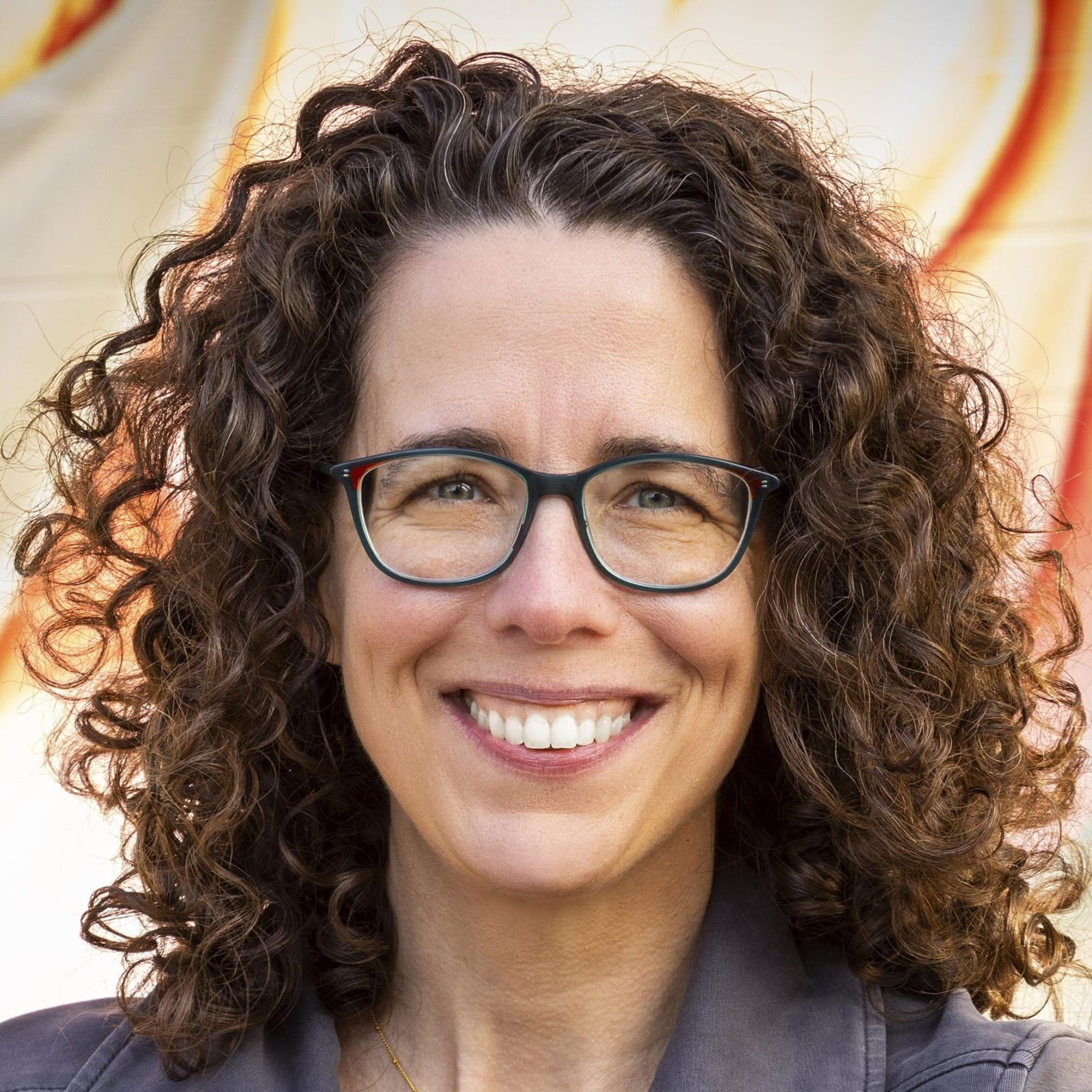
Jane Friedman has spent her entire career working in the publishing industry, with a focus on business reporting and author education. Established in 2015, her newsletter The Bottom Line provides nuanced market intelligence to thousands of authors and industry professionals; in 2023, she was named Publishing Commentator of the Year by Digital Book World.
Jane’s expertise regularly features in major media outlets such as The New York Times, The Atlantic, NPR, The Today Show, Wired, The Guardian, Fox News, and BBC. Her book, The Business of Being a Writer, Second Edition (The University of Chicago Press), is used as a classroom text by many writing and publishing degree programs. She reaches thousands through speaking engagements and workshops at diverse venues worldwide, including NYU’s Advanced Publishing Institute, Frankfurt Book Fair, and numerous MFA programs.