On the first of December, ReedPop sent out a press release announcing that the biggest US publishing industry event, BookExpo, is canceled in 2021 due to the pandemic, along with BookCon, the reader-facing event. (Both normally take place in late spring.) But the company further stated that “the best way forward is to retire the current iteration of events as they explore new ways to meet the community’s needs through a fusion of in-person and virtual events.” Reed’s exhibitions business has been decimated this year; its event revenues are down by 70 percent.
For some, what’s surprising about the end of BookExpo, at least in its current form, is not that it’s ending but that it took this long to do so. The show has been dwindling in size for years and experienced some truly awkward moments—like in 2018, when the rights fair split off from the main event and moved to a venue two miles away.
But why couldn’t this industry event survive, especially in a country that represents the largest reading market in the English-language world, or the market that just about every mainstream author and publisher around the globe would love to break into?
We think this summary from John Sherer expresses the dilemma succinctly and accurately; on a private listserv, he examined the roots of the show and how it gradually lost its way. (Sherer was a buyer at Olsson’s Books & Records in Washington, DC, in the 1990s, before going to Basic Books and now UNC Press.)
“BookExpo used to be the trade show for the American Booksellers Association when that group had significantly more market share, so publishers showed up to market their wares to this important segment,” Sherer wrote. “ABA sold it to Reed, who quickly realized that the publishers were the ‘customers,’ since paying for booths generated much more income than bookseller registrations.
“Once Reed started listening to publishers, programming evolved away from sessions that drew booksellers, so fewer booksellers felt obliged to attend. Sessions on how to manage inventory and do gift cards were replaced by rights rooms and other things publishers found appealing (like keeping the show in New York City, which was economical for publishers, but expensive and boring for booksellers).
“Publishers would then complain: Where are all the booksellers? So publishers started dramatically reducing their investment. Booksellers realized that lots of publishers weren’t attending or sending the right people, so the decrease in bookseller attendance accelerated. It was a downward spiral which, frankly, lasted longer than I thought it would.”
These days, the ABA runs Winter Institute to fulfill the market need that BookExpo once served, with the event changing location every year. Notably, its registration is capped. Sherer commented, “Hopefully the ABA won’t ever sell Winter Institute.” In 2021, Winter Institute will be a virtual event only.
Bottom line: BookExpo has been happening in some form since 1947. Nature (and business) abhors a vacuum, and we expect something—whether a revamped and rebranded event by Reed or a new offering from a competitor—will take the place of BookExpo when in-person events can be safely held again. While BookExpo hobbled along for years, many people consider publishing a relationship-driven business and place a high value on the networking and serendipitous connections that occur at such events. London Book Fair or Frankfurt Book Fair is unlikely to be seen as a suitable replacement for a US-based and US-focused industry event. Publishers Weekly has rounded up responses from both publishers and booksellers on what they’d like to see in a reinvented US trade show.
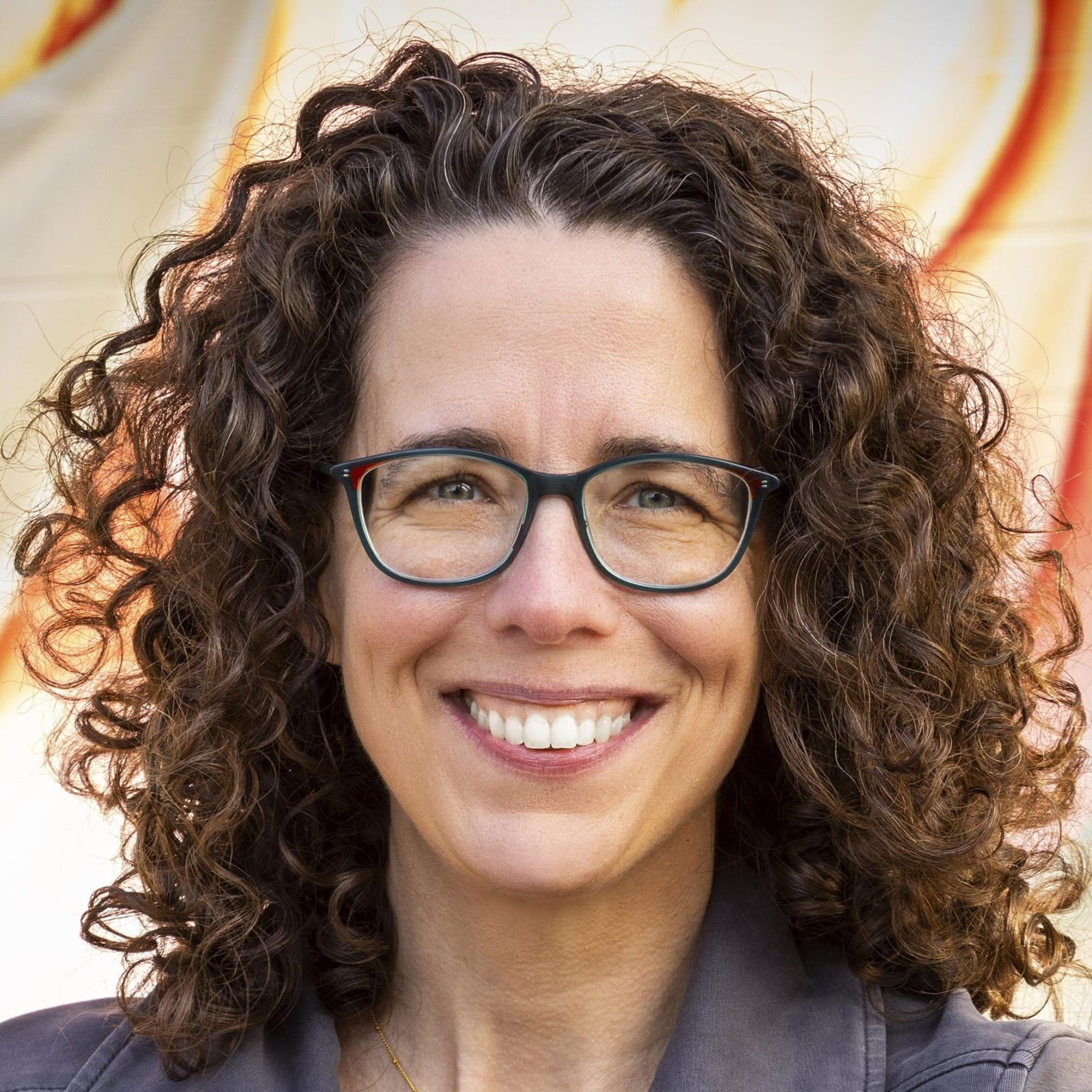
Jane Friedman has spent her entire career working in the publishing industry, with a focus on business reporting and author education. Established in 2015, her newsletter The Bottom Line provides nuanced market intelligence to thousands of authors and industry professionals; in 2023, she was named Publishing Commentator of the Year by Digital Book World.
Jane’s expertise regularly features in major media outlets such as The New York Times, The Atlantic, NPR, The Today Show, Wired, The Guardian, Fox News, and BBC. Her book, The Business of Being a Writer, Second Edition (The University of Chicago Press), is used as a classroom text by many writing and publishing degree programs. She reaches thousands through speaking engagements and workshops at diverse venues worldwide, including NYU’s Advanced Publishing Institute, Frankfurt Book Fair, and numerous MFA programs.