Competing forms of storytelling may be taking attention away from books—but might also be spurring some book sales
When we reached out to several industry figures for answers to the fiction problem, we heard from NPD’s Kristen McLean that this is all a gray area—we don’t know for sure what’s happening. Partly that’s because of Amazon’s lack of transparency in their sales figures.
However, she says, “We have pretty strong evidence in the form of strong and sustained nonfiction sales that a certain amount of reading/buying is moving to that side of the fence, and we know that overall, the market is flat, which would support the migration of traditional dollars from category to category.” She also notes that some fiction reading is becoming fiction listening, given that audio is up by double digits for the third year in a row.
Another knowledgeable publishing-industry insider who must remain anonymous gave us a whole host of reasons that fiction might be down but said one of his preferred explanations is that fiction is discovered or found via browsing more often than nonfiction. Purchase of nonfiction is often tied to specific intent—like a search on a topic—and so nonfiction sales favor the internet. He told us, “To make fiction bestsellers, one needs pent-up demand, on-sale-date awareness, and a lack of alternative. Fiction isn’t enjoying those advantages the way it has before.”
The latest National Endowment for the Arts report does show that fiction reading is down. In September 2018, they released “US Trends in Arts Attendance and Literary Reading: 2002–2017,” the latest in the largest and longest-running US survey of how millions of adults participate in the arts. The findings specifically note that readership of novels and short stories continues to decline, even as other types of arts participation increases.
An interesting data point, though: poetry reading is up. Between 2012 and 2017, the rate of poetry reading grew by 76 percent. Why? Instapoets like Rupi Kaur (the author of two of the top 10 bestselling books in 2017) have cultivated a young audience on Instagram who goes on to buy their print books.
This points to an interesting dynamic of reading or storytelling that starts first in the digital domain with sometimes-positive aftereffects for book publishing. For example, a multimedia effort making waves in the industry is augmented reality (AR), which has gained traction in the children’s category. A new company called Bookful, based in Israel, the UK, and New York, is creating AR treatments of classics from Random House, starting with Beatrix Potter’s Peter Rabbit. You can read on screen or have the book read to you by a warm voice as you play with the interactive characters in their veggie patch. (A similar initiative allows you to make storytime with your kids “more magical” by having your Google Home device insert sound effects when you read Little Golden Books aloud to your child.)
Also, consider the New York Public Library’s Insta Novels, launched over the summer. You can read the entirety of Alice’s Adventures in Wonderland by Lewis Carroll, complemented by animated graphics, in the Instagram app. That’s been followed up by a short story by Charlotte Perkins Gilman, “The Yellow Wallpaper.”
Or how about James Patterson’s interactive Facebook story? It’s a version of his new novel, The Chef, and it’s available for free via Facebook Messenger. It includes film clips, photos, and audio—embedded right along the text or accessible by clicking an icon. The project was initiated by Patterson, who approached Facebook. Publishers Weekly wrote, “[Patterson] is convinced publishers need to be more creative in reaching readers. He believes the deal with Facebook ‘could move publishing in a new direction’”—even if the current presentation isn’t perfect. Not so dissimilar: SKAM, a professionally produced narrative built from Facebook comments, texts, and Instagram Stories.
Bottom line: A decline in fiction reading or fiction sales does not mean a decline in storytelling. It could also indicate a shift toward screen-based, theatrical/cinematic, audio-visual experiences. Our knowledgeable anonymous insider says that competing media that feels like fiction (i.e., that provides an escape), whether that’s Netflix, Instagram, or gaming, has often been a red herring when we seek explanations for fiction’s decline—but perhaps no longer.
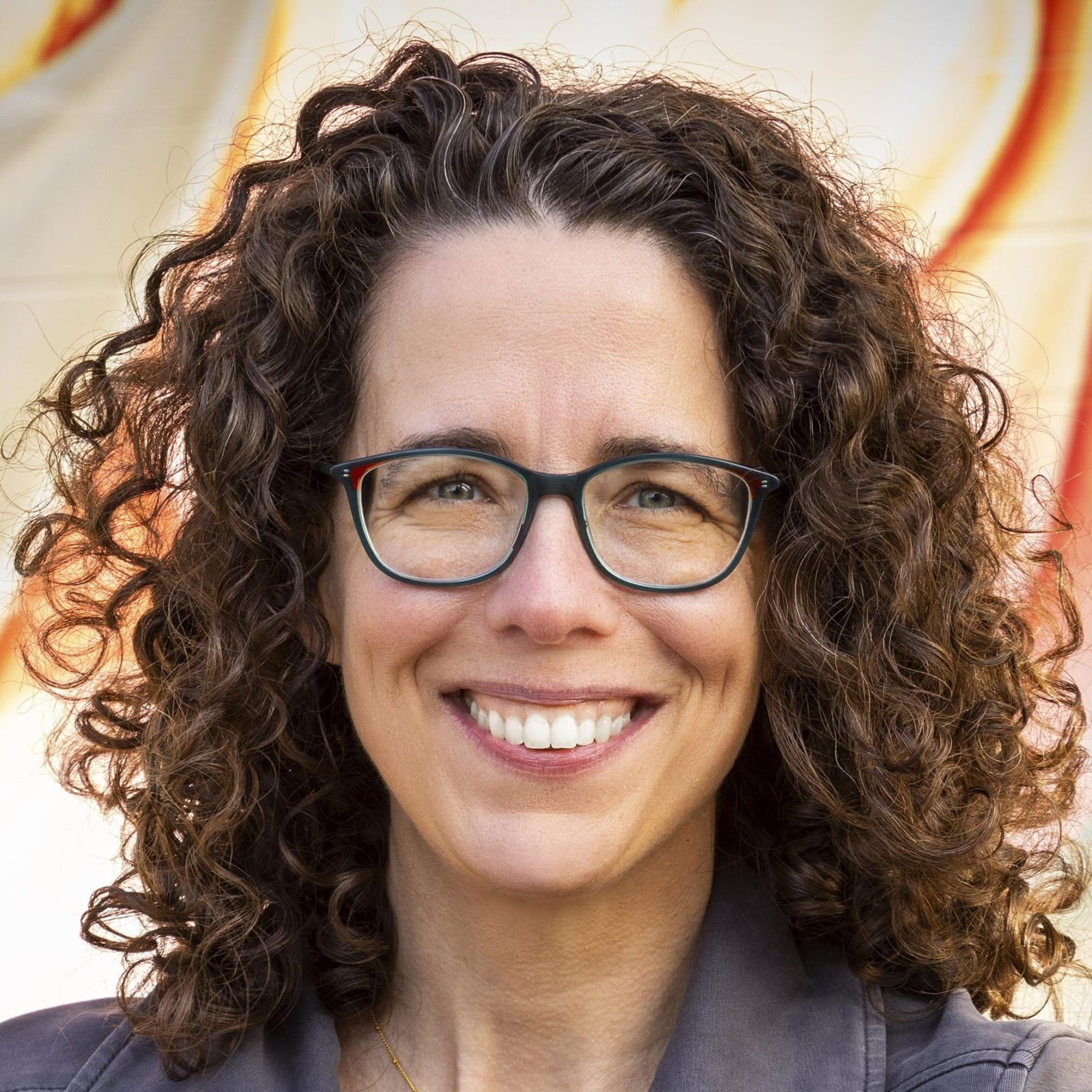
Jane Friedman has spent her entire career working in the publishing industry, with a focus on business reporting and author education. Established in 2015, her newsletter The Bottom Line provides nuanced market intelligence to thousands of authors and industry professionals; in 2023, she was named Publishing Commentator of the Year by Digital Book World.
Jane’s expertise regularly features in major media outlets such as The New York Times, The Atlantic, NPR, The Today Show, Wired, The Guardian, Fox News, and BBC. Her book, The Business of Being a Writer, Second Edition (The University of Chicago Press), is used as a classroom text by many writing and publishing degree programs. She reaches thousands through speaking engagements and workshops at diverse venues worldwide, including NYU’s Advanced Publishing Institute, Frankfurt Book Fair, and numerous MFA programs.