In the last issue, I casually mentioned a stat that’s been circulating, tied to Circana BookScan, that BookTok accounts for one in every 12 print books sold last year. One reader reached out questioning that assertion, and rightly so. Why is the industry attributing sales so directly to BookTok? It has never done so with other social media, although it’s hard to dispute that BookTok is not quite the same as other platforms in its influence on book sales.
These figures started permeating the industry after a 2023 trends presentation by Circana analyst Kristen McLean, summarized here by Publishers Weekly. The firm had created a list of BookTok authors to follow and tracked their sales over time. Later, McLean’s 2023 year-end analysis was reported on by Michael Cader in Publishers Lunch, who wrote (sub required), “Tracked #BookTok authors—leaving aside Colleen Hoover (!), whose top titles alone accounted for about 9 million print units—[sold] 46 million print units alone in 2023, gaining 40 percent over 33 million units in 2022. That makes TikTok a driver of at least 7 percent of the entire market.” Seven percent equates to one in 12 books sold.
I reached out to Circana to inquire about their BookTok sales tracking and heard back from executive director David Walter, who confirmed they continue to maintain a BookTok author list for reporting on book sales driven by BookTok exposure. However, he added, “It’s not an exact science by any means, as we are not able to attribute sales directly to BookTok—i.e., whether the consumer discovered the book via that means. We include all of the authors’ books too, which also means that the effect we’re measuring will be on the high side.” He also noted, “We primarily use Barnes & Noble’s listing of BookTok books to create and maintain our list, and we add new authors periodically.” Director Brenna Connor added that the current list of authors in their BookTok group is now over 200 and is updated quarterly; she also consults industry sources like Book Riot and Publishers Weekly to maintain the list.
This certainly raises the question of how much Barnes & Noble might not be getting the credit it deserves for raising the profile of BookTok authors by displaying and merchandising their books in stores, increasing their visibility for people who aren’t on TikTok. And, as with any bestselling book, success tends to beget success; some sales currently attributed to BookTok could certainly be attributed to the halo effect of being on bestseller lists. In all fairness to Circana BookScan, it’s analysts like me that perpetuate one-in-12 stats that may mislead people into thinking these book sales are a result of BookTok influence alone. They are not.
However, in yet another twist in this story, BookTok is being credited (sub required) with “saving” Barnes & Noble because it’s a favored gathering place for book influencers—the BookTok crowd likes buying print. CEO James Daunt says the bookstore’s “mid-single digits” growth is a result of its embrace of BookTok and young people in their early 20s.
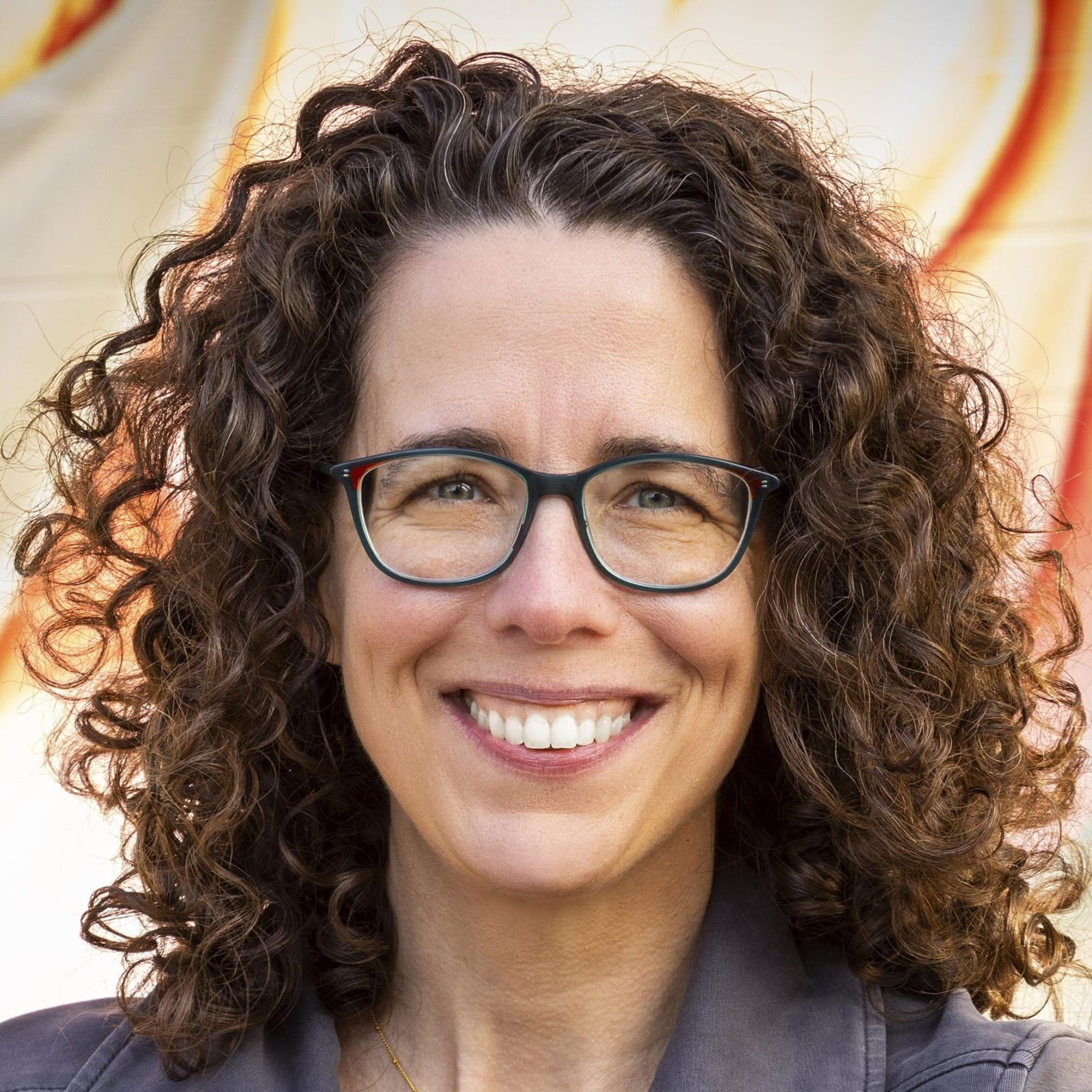
Jane Friedman has spent her entire career working in the publishing industry, with a focus on business reporting and author education. Established in 2015, her newsletter The Bottom Line provides nuanced market intelligence to thousands of authors and industry professionals; in 2023, she was named Publishing Commentator of the Year by Digital Book World.
Jane’s expertise regularly features in major media outlets such as The New York Times, The Atlantic, NPR, The Today Show, Wired, The Guardian, Fox News, and BBC. Her book, The Business of Being a Writer, Second Edition (The University of Chicago Press), is used as a classroom text by many writing and publishing degree programs. She reaches thousands through speaking engagements and workshops at diverse venues worldwide, including NYU’s Advanced Publishing Institute, Frankfurt Book Fair, and numerous MFA programs.