
Recently, a subscriber asked how IMLS cuts would affect libraries. In case you missed it, earlier this month President Trump ordered the closure of the Institute of Museum and Library Services. IMLS is the only federal agency that supports libraries by sending funds to state libraries.
I’m on a private listserv of publishing professionals that’s been discussing exactly this question. No one seems to agree entirely what the fallout will be, except that it will be harmful to libraries, but here’s what to know so far.
- Of the estimated $2 billion spent in the US on public libraries (mostly from local taxes), IMLS is 10 percent of that funding. These funds are distributed to the states and then allocated to local libraries.
- One area of borrowing that could be directly affected is interlibrary loan; libraries may use IMLS funding to support it.
- Most people don’t think this closure will dramatically affect money for library collections—i.e., what libraries buy for patrons to access or read, whether in print or through an app like Libby. IMLS mainly funds projects, and library collections are generally funded by recurring institutional allocations.
- That said, there is concern that rural and small libraries could be disproportionately affected by the cuts. Learn here how IMLS funding affects your state libraries. For example, in my state of Ohio, IMLS funding is used for a statewide collection called the Ohio Digital Library that some Ohio library patrons can access.
The new acting director of the IMLS, Keith Sonderling, has been instructed by executive order to eliminate the agency “to the maximum extent consistent with applicable law.” The IMLS Board has sent a letter to the new director that outlines the obligations of IMLS that are not discretionary. For his part, Sonderling has said, “I am committed to steering this organization in lockstep with this Administration to enhance efficiency and foster innovation.”
I reached out to industry executive Guy LeCharles Gonzalez, who has extensive experience in the library community, for insights on what might happen next. He told me, “Based on Sonderling’s lockstep statement, I’m worried about the potential ripple effects we’ve already seen in other areas. Will future IMLS funding be tied to collections criteria aligned with this Administration’s widespread attacks on DEI-related initiatives? Will a library be faced with the choice of abandoning key programs for underserved patrons or removing targeted books from their collections to preserve funding? Will library vendors embrace soft censorship themselves to ‘help’ libraries comply with discriminatory funding criteria? We’re officially on the proverbial slippery slope now, and I’m not optimistic about the short-term impact.”
The American Library Association has an FAQ about the situation if you’re concerned as a library advocate or as a library user and want to know what you can do.
Readers respond
Less than a week after writing the above article, the entire IMLS staff was put on leave. Librarian Jessamyn West wrote me, “This IMLS thing has been disturbing, and I really appreciate you working to suss out what’s really going to be the outcome. … The Vermont/Canadian library has well exceeded their GoFundMe. I hate that these are necessary, but I am glad they work.”
West shared some additional resources with me, including: Forward Together: An Update on IMLS by the American Association for State and Local History. Note that IMLS cuts affect not just libraries, but also museums.
Four US senators—two Democrats and two Republicans—have defended IMLS funding and reminded the Administration of “its obligation to faithfully execute the provisions of the law as authorized.”
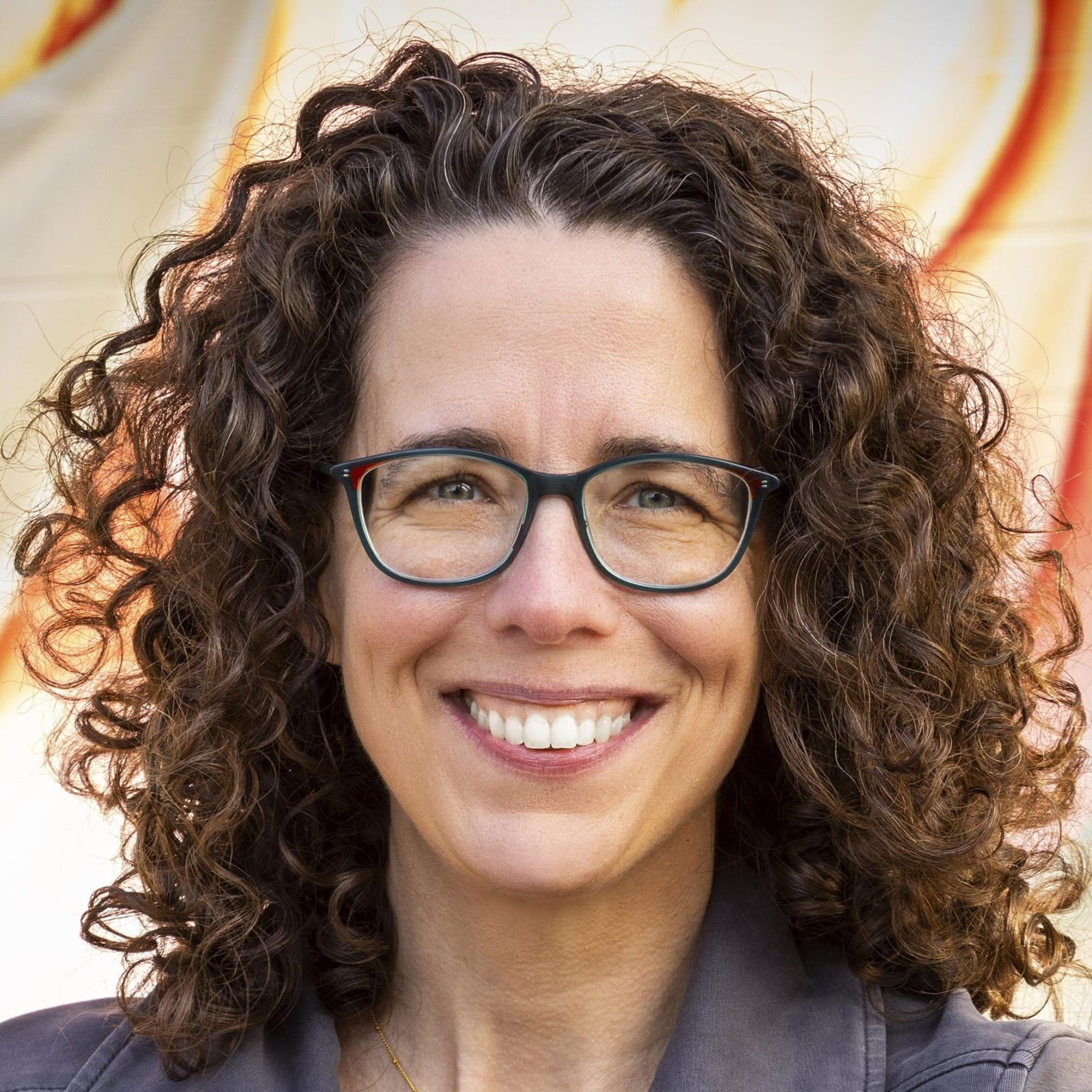
Jane Friedman has spent her entire career working in the publishing industry, with a focus on business reporting and author education. Established in 2015, her newsletter The Bottom Line provides nuanced market intelligence to thousands of authors and industry professionals; in 2023, she was named Publishing Commentator of the Year by Digital Book World.
Jane’s expertise regularly features in major media outlets such as The New York Times, The Atlantic, NPR, The Today Show, Wired, The Guardian, Fox News, and BBC. Her book, The Business of Being a Writer, Second Edition (The University of Chicago Press), is used as a classroom text by many writing and publishing degree programs. She reaches thousands through speaking engagements and workshops at diverse venues worldwide, including NYU’s Advanced Publishing Institute, Frankfurt Book Fair, and numerous MFA programs.
