Chain and independent bookstores show signs of stress in a difficult market
With less than three weeks to go in the year, we’re seeing early indicators of soft overall 2019 book retail sales. We’ll start with Canadian retailer Indigo, because when the CEO of a bookseller lashes out at Amazon, one imagines things aren’t going so well.
“The extent of the non-competitive practices practiced by Amazon [is] outrageous,” said Heather Reisman, CEO of Indigo, in a conversation with BNN Bloomberg. Yet Indigo was issuing optimistic reports not that long ago, and just last year they opened their first US location. Indigo’s strategy has been that of “cultural department store” (think: lifestyle shopping) and about 40 percent of their store sales are non-book items. In fact, until the last year or so, that’s where they were enjoying double-digit growth. Now, in 2019, their sales are down 6 percent compared to the prior year, and non-book sales have declined. The cited culprit (aside from competition by Amazon)? They blame softer consumer spending and a reduction in promotions. Reisman has discussed plans for Indigo to expand into proprietary products that can’t be sold on Amazon but declined to offer any details about what those products might be.
Barnes & Noble has experienced similar challenges. In its last quarterly report since B&N was acquired and taken private, the US bookstore chain reported that book sales had fallen by nearly 4 percent for the year. (Overall sales were down 2.6 percent for the year; books comprise somewhere between 55 percent and 68 percent of B&N’s sales.) The new B&N CEO, James Daunt, continues to make colorful remarks about the chain—most recently, he called it “crucifyingly boring.” Daunt says there was no time for a major makeover this year, given that holiday merchandising plans were already in place when he took the helm in September. Yet there have been some changes: store layouts have already been modified to aid discoverability and bolster sales, and B&N now has a Book of the Year contest. (The winner of that contest? The Boy, The Mole, the Fox, and the Horse by Charlie Mackesy, a British illustrator.)
As a side note, Barnes & Noble Education—a separate business from Barnes & Noble—is doing poorly. (B&NE stores operate at universities.) The latest reports issued by B&NE say the company is reviewing its “strategic options,” which basically means the company’s for sale.
Finally, you know sales probably weren’t the best for independent bookstores when headlines claim that bad weather won’t “dampen” indie holiday spirits. That’s the lead from Publishers Weekly. To be fair, it might be hard for any brick-and-mortar bookseller to match sales from 2018, when the bestselling book of the year, Michelle Obama’s Becoming, was bringing in customers.
Bottom line: As chain stores especially fight to maintain even footing with last year’s results, how is Amazon faring? No one knows, since the company doesn’t break out book sales and selectively reports on category sales. However, over the Thanksgiving sales period, Amazon said that customers bought more toys than ever before. Also, independent third-party sellers sold more items during Cyber Monday through Amazon stores than in any other 24-hour period—not encouraging news for independent bookstores or chain stores.
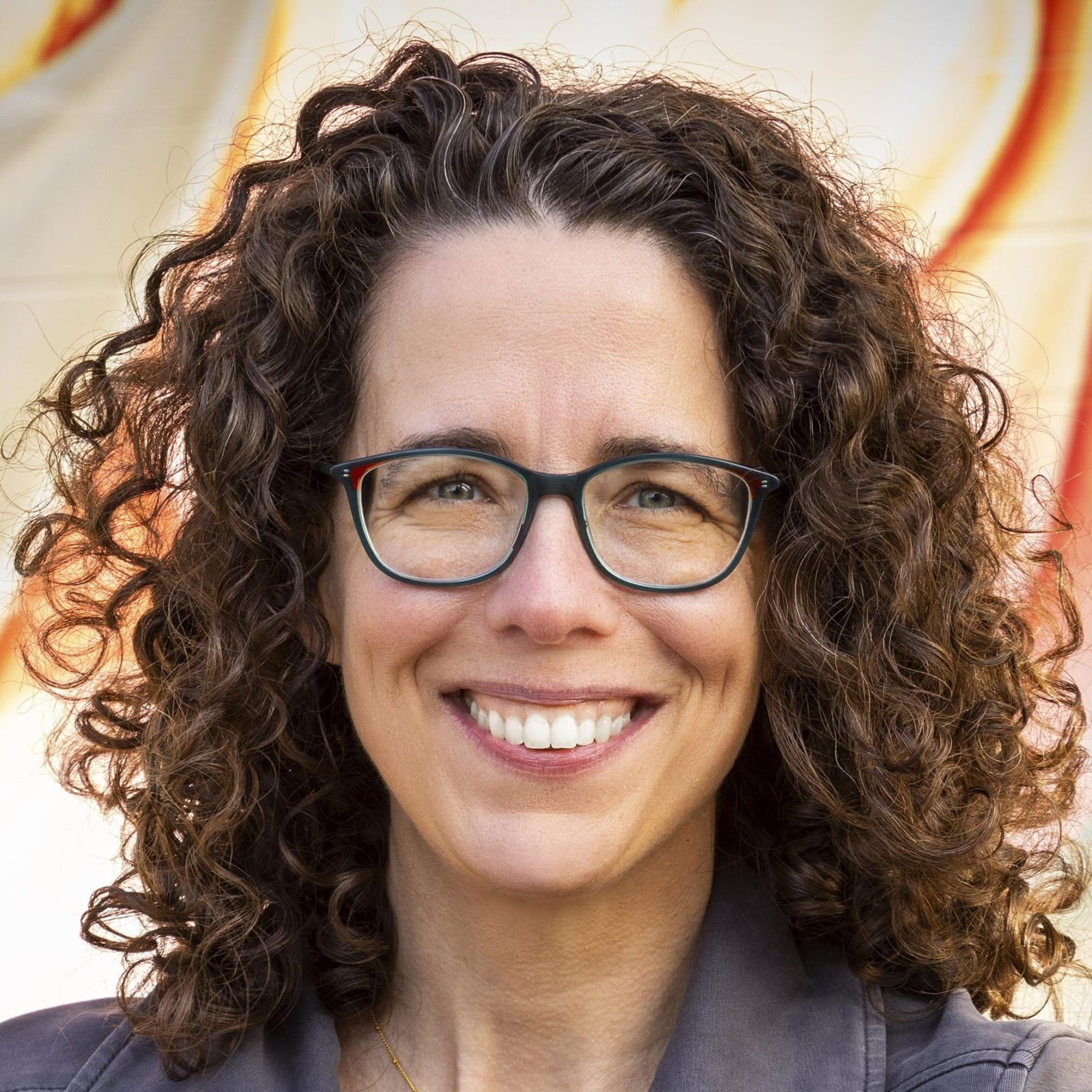
Jane Friedman has spent her entire career working in the publishing industry, with a focus on business reporting and author education. Established in 2015, her newsletter The Bottom Line provides nuanced market intelligence to thousands of authors and industry professionals; in 2023, she was named Publishing Commentator of the Year by Digital Book World.
Jane’s expertise regularly features in major media outlets such as The New York Times, The Atlantic, NPR, The Today Show, Wired, The Guardian, Fox News, and BBC. Her book, The Business of Being a Writer, Second Edition (The University of Chicago Press), is used as a classroom text by many writing and publishing degree programs. She reaches thousands through speaking engagements and workshops at diverse venues worldwide, including NYU’s Advanced Publishing Institute, Frankfurt Book Fair, and numerous MFA programs.