The more that authors use short-form publication to support their books, the more important copyright registration may be
If you’re a writer of short work, you’ll be happy to hear of the Authors Guild’s efforts earlier this month at the US Copyright Office. The Guild is working toward a proposal to create a copyright procedure that allows authors to register short work in groups or batches.
In their meetings—which included Sarang Damle, the Copyright Office’s general counsel, and Rob Kasunic, the director for registration policy—the Guild’s team argued that, with the cost of copyright registration coming in at between $35 and $65 per work, a freelance writer or prolific short-story author creating two pieces per week could be paying more than $6,500 annually in copyright registration fees.
Authors who blog widely may want to pay attention to these lines from the Guild’s description of the problem: “Because it makes so little economic sense to register the copyright in blogs and other freelance works at the time they’re published, freelance writers lose out on the ability to receive statutory damages (and instead must prove actual losses, which may be relatively minimal) or to be reimbursed their attorney’s fees if they prevail. Without the potential to receive statutory damages, which range from $30,000 to $150,000 for willful infringement per work infringed, it does not pay to litigate most infringements of short pieces, and so often the copyright law is not enforced and infringement goes unpunished.”
Bottom line: As writers use magazine articles and other short-form content to build and support their platforms—and as confusion continues over how content can be legally used, reused, and repurposed—the need for a more streamlined and cost-effective way to protect such works persists. As the Guild notes, some current registration processes don’t even make it clear what constitutes “published” when it comes to online work. Note that the Guild is working on this initiative in partnership with the National Writers Union, the Science Fiction and Fantasy Writers of America, and the American Society of Journalists and Authors.
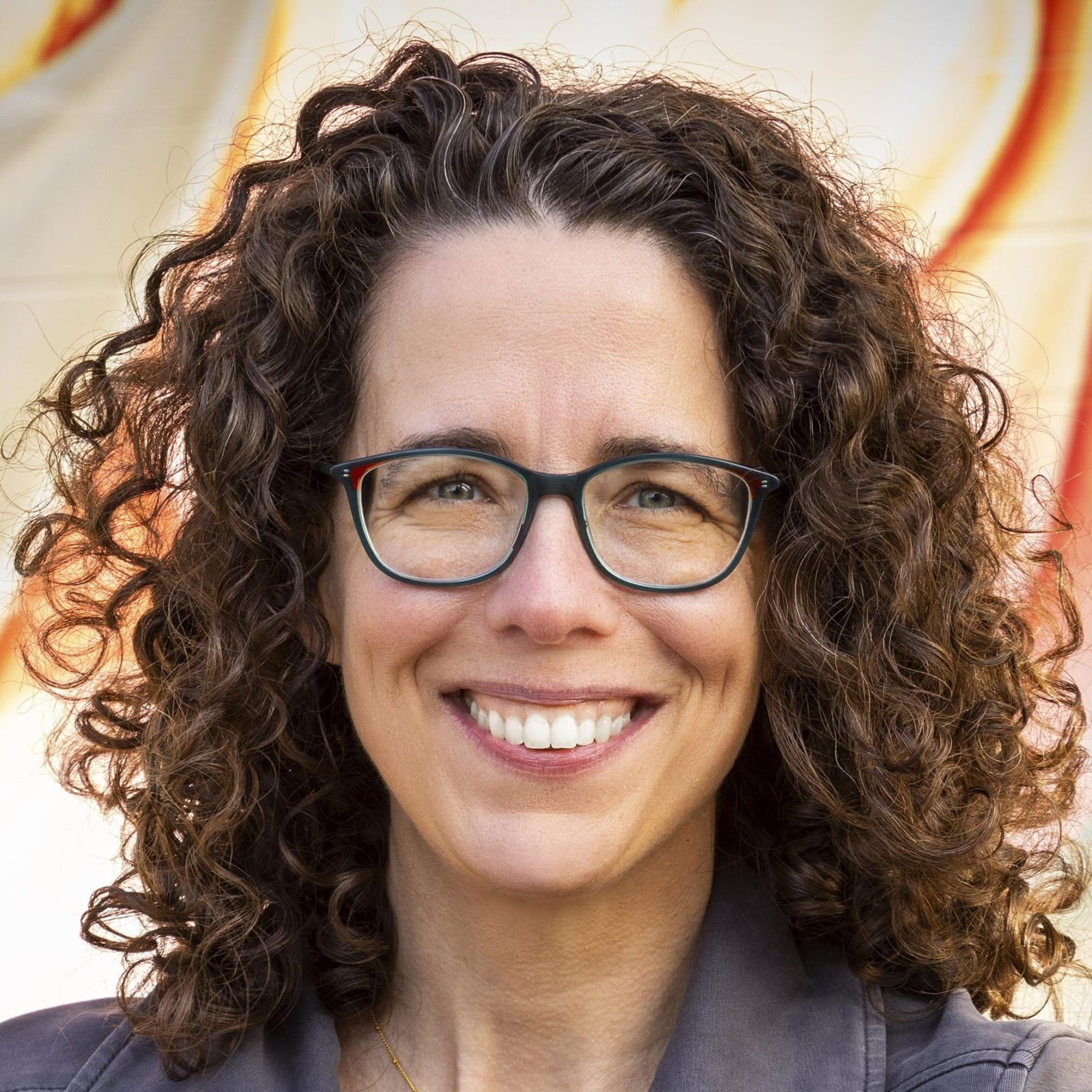
Jane Friedman has spent her entire career working in the publishing industry, with a focus on business reporting and author education. Established in 2015, her newsletter The Bottom Line provides nuanced market intelligence to thousands of authors and industry professionals; in 2023, she was named Publishing Commentator of the Year by Digital Book World.
Jane’s expertise regularly features in major media outlets such as The New York Times, The Atlantic, NPR, The Today Show, Wired, The Guardian, Fox News, and BBC. Her book, The Business of Being a Writer, Second Edition (The University of Chicago Press), is used as a classroom text by many writing and publishing degree programs. She reaches thousands through speaking engagements and workshops at diverse venues worldwide, including NYU’s Advanced Publishing Institute, Frankfurt Book Fair, and numerous MFA programs.