We scanned all of the 2015 year-end articles and 2016 predictions so you don’t have to. Here’s what authors need to know about the best of the pundit speculation.
- Publishing Technology [now Ingenta] predicts that audiobooks and children’s books will be the biggest growth areas for publishers in 2016. The U.S. children’s market grew by 13 percent in 2015, and the U.K. market grew by 3.2 percent. The latest Association of American Publishers report showed 31 percent year-on-year growth for audiobooks during the first six months of 2015.
- Publishing Technology also argues that the staying power of the print book market and the softness of the ebook market indicate diverging markets. Print is dominated by the major publishers, and ebooks are influenced by discounted product from indie authors. They write, “In 2016 we will see these markets diverge even further as they pursue their different goals in very different ways.”
- Tom Chalmers of IPR License argues that mid-size publishers will continue to decline. He predicts more consolidation among large and mid-size houses, and believes the remaining players will be “big and wieldy” and “small and nimble.”
- Michael Cader wrote a long analysis of 2015 in the Jan. 8 edition of PublishersLunch (subscription required), titled “Taking Stock of a Rough Year.” The CliffsNotes version: Cader observes two major financial changes in the industry that will have long-term effects. The first is that the stock of Pearson (owner of 47 percent of Penguin Random House) dropped dramatically—and other publishers struggled as well. Cader says, “Any kind of long-term deflation of publishing company values is bad for the whole business, attracting less investment and reducing the equity value of private companies as well.” Second, foreign exchange rates have been masking weak financial results; Cader writes, “It’s a big world out there and most publishers are playing in global financial markets one way or the other.… It’s important to keep an eye on the bigger economic picture, particularly in turbulent times.”
- David Crotty of The Scholarly Kitchen wrote about the “age of abundance,” as many call today’s media-heavy economy and culture. His basic message is that we all—and this means your readers, most importantly—will encounter “a single word: more. In 2016 you will have more access to more information than ever before, and likely more pressure on the finite amount of time you have to cope with that information.… The value of curation will continue to become increasingly vital, and we will need editors and publishers, librarians and peer reviewers … trusted networks, expertise and filtering mechanisms, more than ever.”
- More than twenty-six trade figures weigh in at The Bookseller (subscription required) with some nicely pointed predictions. To authors in particular, Faber’s Stephen Page says, “Above all, writers will describe and explain the troubling world we live in in entertaining and individual ways, to the delight and nourishment of readers.”
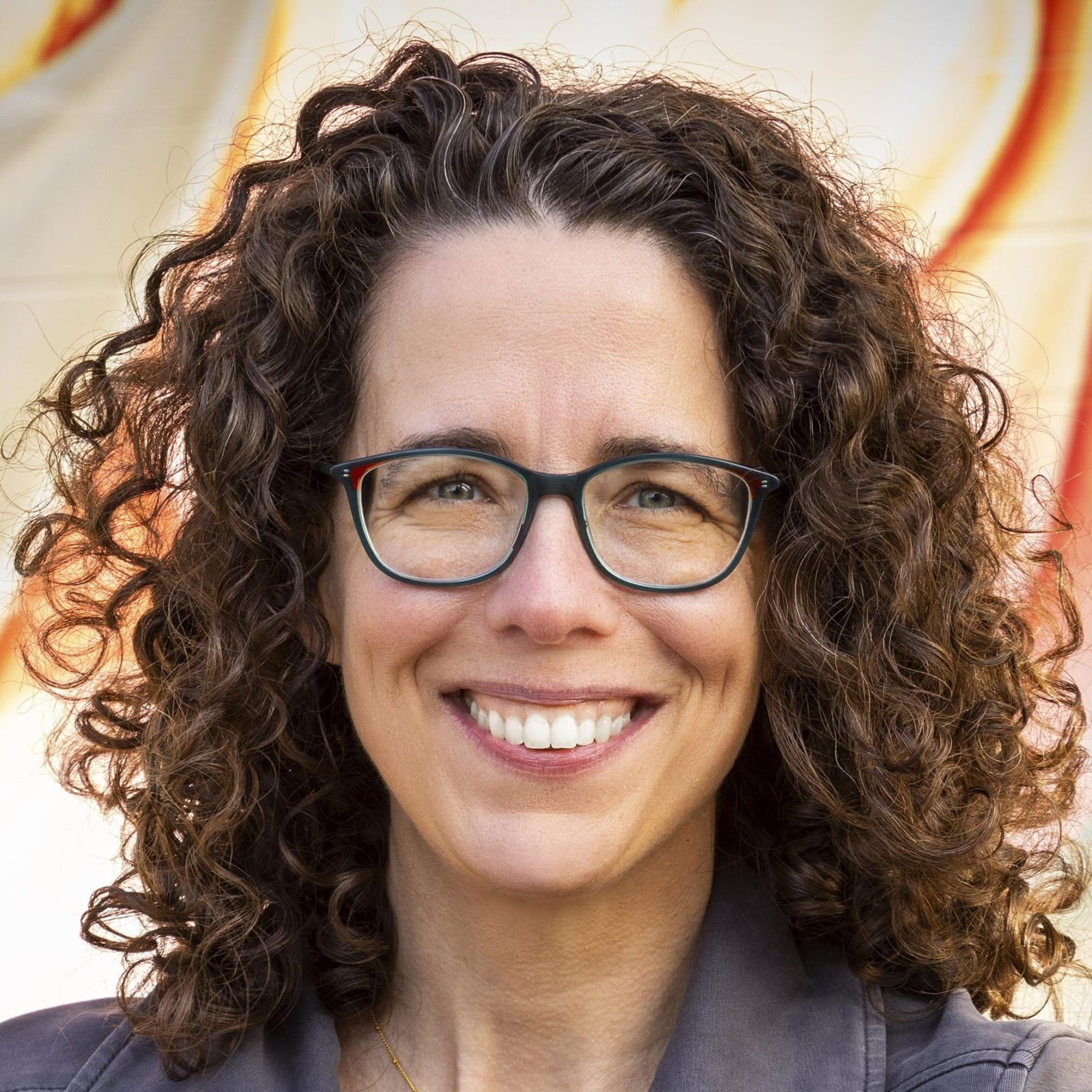
Jane Friedman has spent her entire career working in the publishing industry, with a focus on business reporting and author education. Established in 2015, her newsletter The Bottom Line provides nuanced market intelligence to thousands of authors and industry professionals; in 2023, she was named Publishing Commentator of the Year by Digital Book World.
Jane’s expertise regularly features in major media outlets such as The New York Times, The Atlantic, NPR, The Today Show, Wired, The Guardian, Fox News, and BBC. Her book, The Business of Being a Writer, Second Edition (The University of Chicago Press), is used as a classroom text by many writing and publishing degree programs. She reaches thousands through speaking engagements and workshops at diverse venues worldwide, including NYU’s Advanced Publishing Institute, Frankfurt Book Fair, and numerous MFA programs.