Last week I attended the annual conference of the Association of Writers & Writing Programs (AWP), held at the Los Angeles Convention Center. The convention’s bookfair alone held more than 600 exhibitors, and AWP’s board appeared happy to have hit 10,000 in attendance, making this year’s conference the best-attended show post-pandemic.
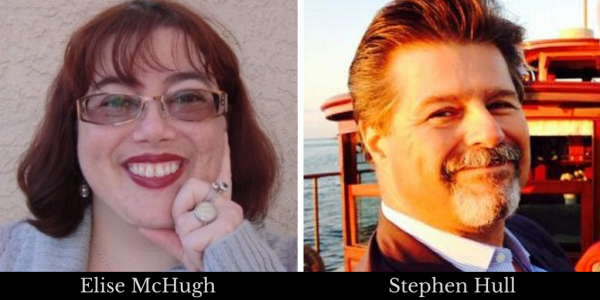
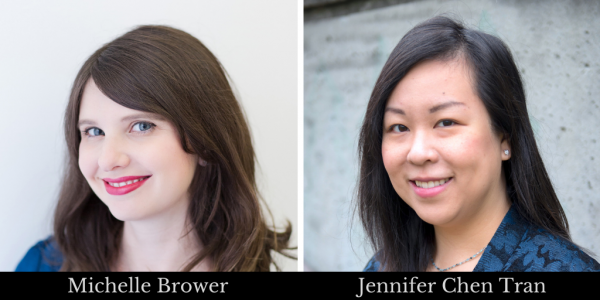
I spent most of my time at the University of Chicago Press booth to help support the release of my book, but I did attend two panels, one of which was moderated and organized by the Community of Literary Magazines and Presses (CLMP) on the topic of innovative funding for independent and small literary presses. Four distinctive publishers shared their strategies for survival and growth; all demonstrated resilience through community engagement and mission-driven business practices. They included Black Lawrence Press, Mouthfeel Press, Slant’d, and The Rumpus.
Small presses can’t depend solely on book sales to sustain them—even if they’ve been around for a while. Black Lawrence was the longest-established book publisher on the panel, celebrating 21 years in business. “Books are less visible and less discoverable,” said Diane Goettel, executive editor, articulating the fundamental challenge faced by most authors and publishers today. “Once every two years, we’re lucky if a book breaks out. We can’t always predict which title lands in just the right place or gets just the right review.”
Pre-sales and pre-order campaigns have become a critical strategy for these publishers to generate early revenue. Black Lawrence manages pre-sales directly through their website, offering commission incentives to authors based on pre-sales performance. And over time they have carefully cultivated a newsletter database that reaches approximately 60,000 subscribers.
Mouthfeel Press, established in 2009, has also developed a distinctive pre-order strategy, partnering with bookstores to handle fulfillment. “I ask authors to introduce me to businesses they know—do they have a favorite bookstore for launch?” publisher Maria Maloney said. “We’ve worked with bookstores for pre-orders to avoid dealing with shipping and handling.”
Crowdfunding has evolved from a last-resort funding mechanism to a more sophisticated revenue stream. Slant’d, a publisher of Asian Americans and Pacific Islanders that was founded in 2017, has embraced crowdfunding in a systematic way, running five Kickstarter campaigns with increasing ambition. For their initial campaign, they were funded in 32 hours, said executive director and editor in chief Krystie Yen. “We use it to test demand.” Their approach includes sophisticated marketing strategies, creating toolkits for their supporters to promote the campaign to friends and online audiences. Yen advised publishers to give themselves enough time before the campaign to brainstorm marketing tactics and what messages will resonate.
Established in 2009, The Rumpus has run two GoFundMe campaigns—one for a website redesign after receiving a matching grant from CLMP and another to increase contributor payments. They built momentum quickly (considered a best practice for crowdfunding) by launching campaigns with 15–20 percent of their goal already pledged by core supporters before public launch. (Note: On March 28, one day after this panel took place, The Rumpus announced that Roxane Gay and Debbie Millman will be the magazine’s new owners, effective May 1.)
That said, crowdfunding still gets used for crisis management. When SPD’s closure threatened Black Lawrence Press’s survival, they turned to GoFundMe, raising $31,000 to cover a budget deficit of $50,000. “This is the moment when we can ask ‘When we are really and truly on our knees?’” Goettel said about their decision to crowdfund. “We told everybody—anyone who had ever bought a book, anyone who used Submittable … this is the time if you care about small-press publishing.”
Subscription and membership programs have emerged as another revenue stream for small publishers. These can offer more predictable income while deepening reader engagement. Black Lawrence Press offers tiered subscriptions ranging from three to 12 months that include a regular shipment of books. While Goettel acknowledged these aren’t their biggest revenue source and they are time intensive to manage, she emphasized that “every little bit counts.”
Slant’d has experimented extensively with membership models, offering a “young philanthropists” recurring-donor initiative with three monthly tiers: $10, $25, and $50. Yen stressed the importance of community input: “We sent out a community survey asking ‘What would you like to see in a membership?’ We built it around that. Then surveyed them again.” They look for ways to celebrate members, e.g., spotlighting them on the website, giving them behind-the-scenes access, and bringing them into the fold for the book-publishing process. As far as membership perks, Slant’d’s approach focuses on leveraging existing assets rather than creating new burdens: “We have all these archives—can we make them available to our members? We’re doing quarterly events virtually so anyone can join [and] finding ways to connect with things people are already doing.”
The Rumpus’s Letters in the Mail program ($12 monthly) provides steady revenue. Their membership program (which can include Letters in the Mail) offers digital-only benefits, like early event access, merchandise discounts, and exclusive content. The Rumpus offers one popular and distinctive perk for annual members: They can submit work anytime, regardless of Rumpus’s official reading periods. This has been popular and adds value for their large audience of writers.
Some presses focus on partnerships with aligned organizations and businesses. Maloney’s approach at Mouthfeel, based in Texas, centers on identifying mission-driven businesses: “Most of the time we focus on building literacy and engaging the younger population. That resonates with businesses wherever I’m at.” This strategy has become particularly important in Texas, where book banning has necessitated working outside her immediate community.
Slant’d has pursued corporate sponsorships and uses partnership-oriented Kickstarter reward tiers that promote both organizations. Yen emphasized the importance of finding partners in the “amplifier space,” who have a built-in audience to help market and promote.
The Rumpus has begun exploring affiliate relationships with writing workshops and programs, particularly those featuring Rumpus writers as instructors. “Our readers pay the most attention to contests, writing workshops, things where they grow as a writer more than buying an individual book,” publisher Alyson Sinclair said, adding that these higher-priced offerings deliver better returns for Rumpus’s advertisers than book advertising. She also said that ads in the newsletter perform better than the website ads. (No surprise there, even the Wall Street Journal has run a trend article on newsletter ads and sponsorships.)
What about grants? These are primarily accessible to nonprofit publishers or those with fiscal sponsors, though opportunities exist for all models. The panelists noted shifting priorities among major philanthropists, with a current focus on democracy and free speech. This presents an opportunity, Goettel suggested, for small presses to collaboratively approach large funders under the umbrella of CLMP to protect the independent publishing ecosystem more broadly.
Bottom line: For authors navigating the literary landscape, several key insights emerged. First, book publishers rely on authors to leverage their own networks for pre-sales and promotional support. (However, this doesn’t necessarily mean social media posting: Email newsletters consistently outperform social media for direct sales and engagement for these publishers.) Second, mission matters: “People supported us not because of the magazine but because of our mission,” Yen said, suggesting that authors aligned with a publisher’s values can contribute to a more compelling funding narrative. Finally, most obviously, everyone should think beyond one-off book sales. Authors who understand a publisher’s broader revenue streams—from reader-focused memberships to business partnerships—can contribute to their longevity and success.
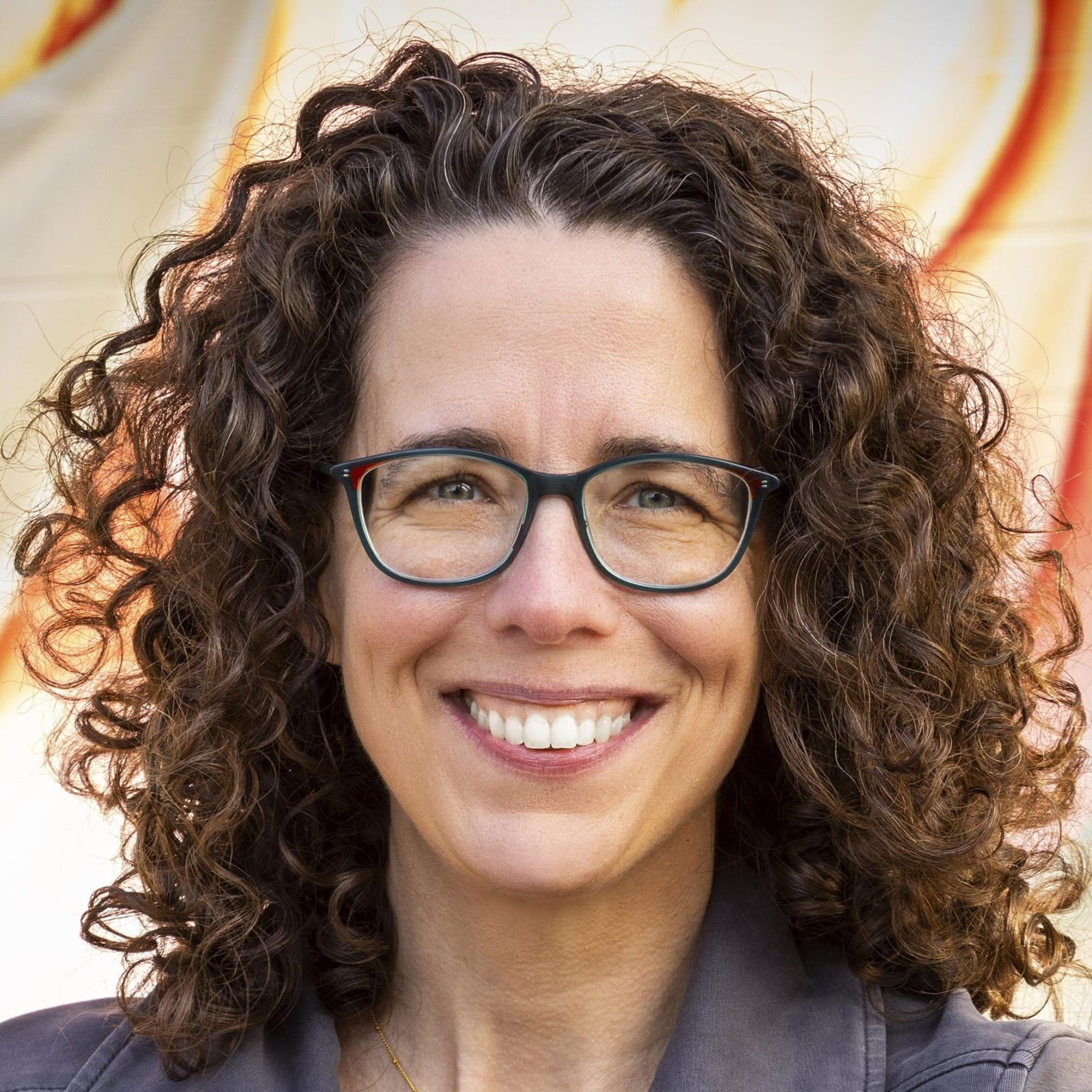
Jane Friedman has spent her entire career working in the publishing industry, with a focus on business reporting and author education. Established in 2015, her newsletter The Bottom Line provides nuanced market intelligence to thousands of authors and industry professionals; in 2023, she was named Publishing Commentator of the Year by Digital Book World.
Jane’s expertise regularly features in major media outlets such as The New York Times, The Atlantic, NPR, The Today Show, Wired, The Guardian, Fox News, and BBC. Her book, The Business of Being a Writer, Second Edition (The University of Chicago Press), is used as a classroom text by many writing and publishing degree programs. She reaches thousands through speaking engagements and workshops at diverse venues worldwide, including NYU’s Advanced Publishing Institute, Frankfurt Book Fair, and numerous MFA programs.