
We round up insights and select podcast episodes you may want to consider during your next commute or listening session
Here’s our second installment of Podcast Watch: a guide to some of the notable episodes we’ve scrubbed through this season. (Read our first installment from the Feb. 20 issue.)
- How to effectively use beta readers in your self-editing process (AskAlli 136): Listen to a half-hour conversation on beta readers with Orna Ross and Tim Lewis (start at 2:40). Best for those who need a 101 introduction to the concept and process or who have tried beta reading but failed to gain anything useful from it.
- Advertising fiction versus nonfiction on Amazon (Relentless Authors Advertise 12): Start at 7:20. Bryan Cohen discusses advertising his novels via Amazon and Facebook—and how it’s a different game than advertising nonfiction work. When this episode aired, Cohen had broken even when advertising his backlist fiction; he suspects ads work better with books already ranking and selling well. Regardless, such titles also need to be promoted outside of Amazon ads. (Success breeds success.) For more on this, dip into Sell More Books Show episode 257 (hosted by Cohen and Jim Kukral) and start at the 36-minute mark for the story of Dean M. Cole’s success in advertising his work and selling via Amazon. They discuss whether it’s realistic for authors to advertise in competitive genres like romance when there are large amounts of money flowing into Amazon ads from successful authors.
- Using Amazon market data to find your niche (The Self Publishing Show 162): If you’re interested in writing to market, this is the episode for you. Start at 23:00. Alex Newton of K-lytics discusses the Amazon ebook market and demand today. Religion and spirituality is the most competitive category, with the largest supply of titles. Next competitive is romance, followed by children’s ebooks (yet there’s no demand for that category). Most demand can be found in (1) romance, (2) mystery/suspense, and (3) science fiction and fantasy. For a success story of someone writing to market, once again listen to the Sell More Books Show 257, this time starting at 44:30. You’ll hear Kirsten Oliphant’s story of how she moved from $100 per month of writing income to $8,000 per month writing romance. She attributes her success to publishing a book every six weeks, writing in a series, hitting the hot tropes within a genre, steadily growing her newsletter, doing newsletter swaps, and paying for promos through other newsletter services. She recommends using K-lytics to find the right genre, and she says that writing quickly has enabled her to be nimble in writing in the hot markets. You can read more at her blog.
- Why it might be best to build your email newsletter list organically (Sell More Books Show 259): This entire episode focuses on why avoiding contests and list-building advertisements may help you in the long run with book marketing, according to author LJ Shen. Shen asks for followers on Amazon, BookBub, and Facebook, through links available on her website and her Amazon and BookBub author pages. Shen recently used her list to pick up 1,400 Amazon reviews on one of her books in the first 30 days of release. You can also learn more at her blog post.
- Should you pay to have your book displayed at the big industry trade shows? (AskAlli 141): Start at 18:15. Want to sell rights to your work? According to Orna Ross, you probably have little to gain from purchasing a display and promotion package at an industry trade fair like BookExpo or Frankfurt. That’s not to say the networking potential isn’t good, though—just don’t expect to sell rights, especially if you’re new to the scene.
- Write better book descriptions (SPA Girls 180): The entire episode is focused on Brian Meeks’s method for writing an effective book description that will sell more books and amp up your sales via advertising. It’s all about copywriting—and writing the best hooks you possibly can. Meeks fixes a description on the fly during the show, starting at the 12-minute mark.
- Everything you ever wanted to know about BookBub ads (Smarty Pants Book Marketing 120): Episodes 120, 121, and 122 are a three-part series featuring David Gaughran, who has recently released a book on the topic.
- Reach more readers through BookSweeps.com (Wordslinger 179): Kevin Tumlinson of Draft2Digital talks with Ryan Zee, the founder of BookSweeps.com, a book giveaway and lead-generation site. Start at the 14-minute mark to get to the real goods.
- Promote your book with email newsletter swaps (Create If Writing 153): Kirsten Oliphant discusses what newsletter swaps are, how to find them, and more. There’s a companion blog post.
- Understanding how agents and editors use comp titles (Print Run 95): Start at 9:15. If you’d like to deeply understand how editors and agents in traditional publishing think about comp titles and how comps affect book sales and marketing, here’s a near hour’s discussion on the topic.
- The reality of selling to bookstores and libraries (Go Publish Yourself with IngramSpark 40). Start at 3:45 for a discussion with industry expert Amy Collins on how self-published authors can get their books into independent bookstores, libraries, big-box stores, and airport stores. One immediate tip: you need a price embedded in your barcode in your print edition. (IngramSpark offers a cover template tool that creates the barcode with an embedded price for you.)
Bottom line: If you’d like to recommend a show for us to track or inform us of a useful episode we might mention next time, just respond to this email with your suggestion. Remember: We’re interested in business discussion and not craft discussion.
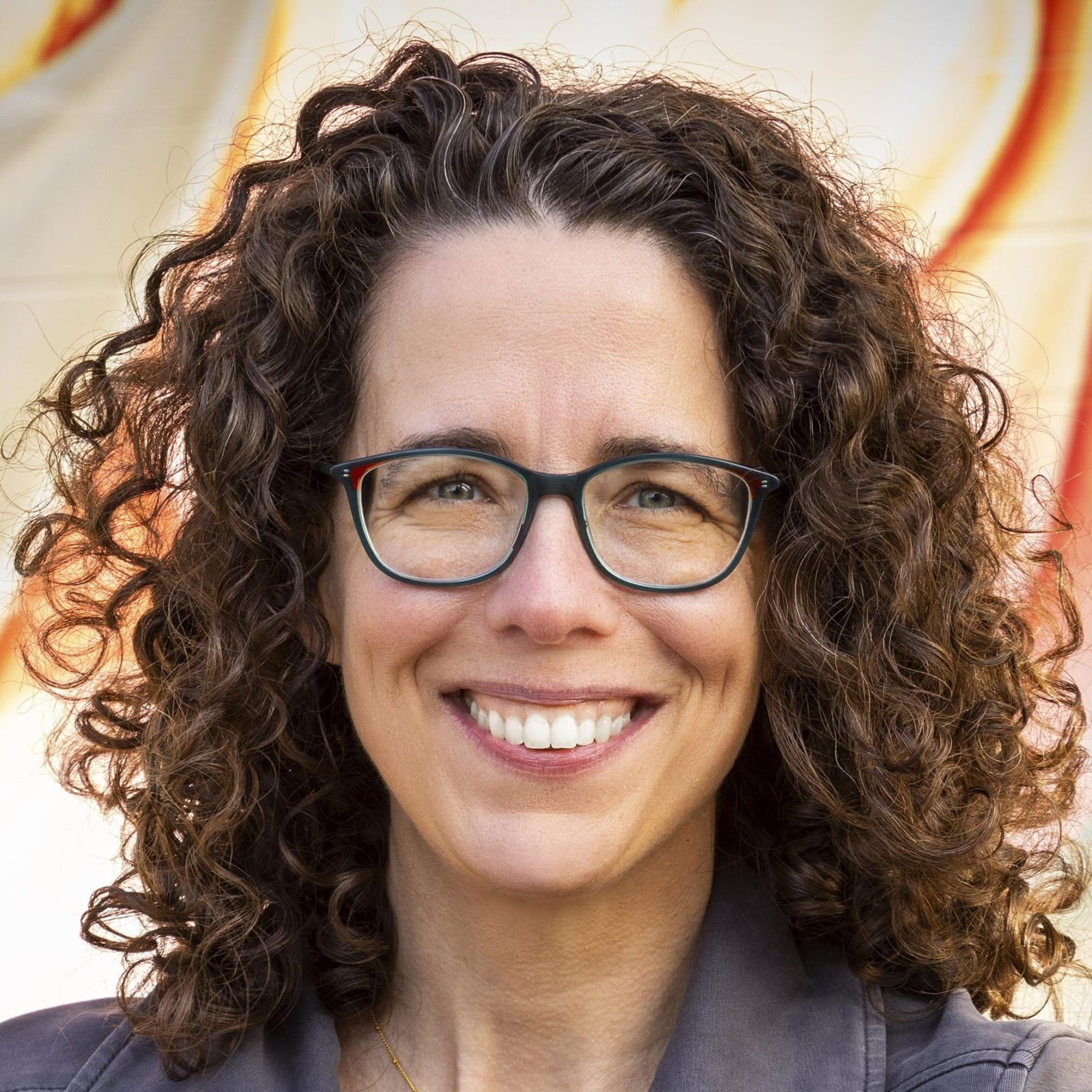
Jane Friedman has spent her entire career working in the publishing industry, with a focus on business reporting and author education. Established in 2015, her newsletter The Bottom Line provides nuanced market intelligence to thousands of authors and industry professionals; in 2023, she was named Publishing Commentator of the Year by Digital Book World.
Jane’s expertise regularly features in major media outlets such as The New York Times, The Atlantic, NPR, The Today Show, Wired, The Guardian, Fox News, and BBC. Her book, The Business of Being a Writer, Second Edition (The University of Chicago Press), is used as a classroom text by many writing and publishing degree programs. She reaches thousands through speaking engagements and workshops at diverse venues worldwide, including NYU’s Advanced Publishing Institute, Frankfurt Book Fair, and numerous MFA programs.
