For more than twenty years, author Philip Pullman has spoken at the UK’s Oxford Literary Festival, but he announced in mid-January that he would no longer be a patron.
Why? Because the festival doesn’t pay the more than 500 speakers (mostly authors) who are involved with the event. Pullman had tried to persuade the festival to change its practice, but to no avail.
Pullman serves as the president of the Society of Authors, an organization that performs a role similar to that of the US Authors Guild; the Society has been pushing for author compensation at festivals that charge an admission fee (which the Oxford event does).
What added fuel to the fire was that Oxford’s festival also has required author-speakers to avoid making other appearances within forty miles of the festival for a thirty-day period—a non-compete speaking clause.
Not long after Pullman made his announcement, several other prominent UK writers joined a call for publishers and fellow authors to boycott events with a no-pay policy. You can see the letter and signatories here.
Philip Jones, editor of UK’s The Bookseller, said (paywall), “The idea that authors can just be paid by selling a few books is not valid.”
Critics of the boycott have argued that the extra expense will mean that lesser-known or debut authors (for whom there might be low audience turnout) will not be invited, and thus more money will be put into the hands of well-established writers.
The boycott appears to be paying off, however. Late last week, the Oxford Literary Festival announced it would begin discussions to explore making author payment feasible in 2017. As part of the announcement, the festival revealed that it lost £18,000 in 2014, despite charging £12 admission.
Bottom line: Could a similar campaign emerge in the US, where one can find a great number of book festivals that don’t pay? Author-speakers point out that if they pay even their own expenses, the travel costs alone can far outweigh what they may make on book sales—they have to gamble, basically, on selling copies. However, the biggest US festivals also allow free entry to the public and may have no revenue from which to make payments: specific sponsor or grant support may have to be called into play in such scenarios. Read more elsewhere in this issue in our profile of the influential Mr. Pullman.
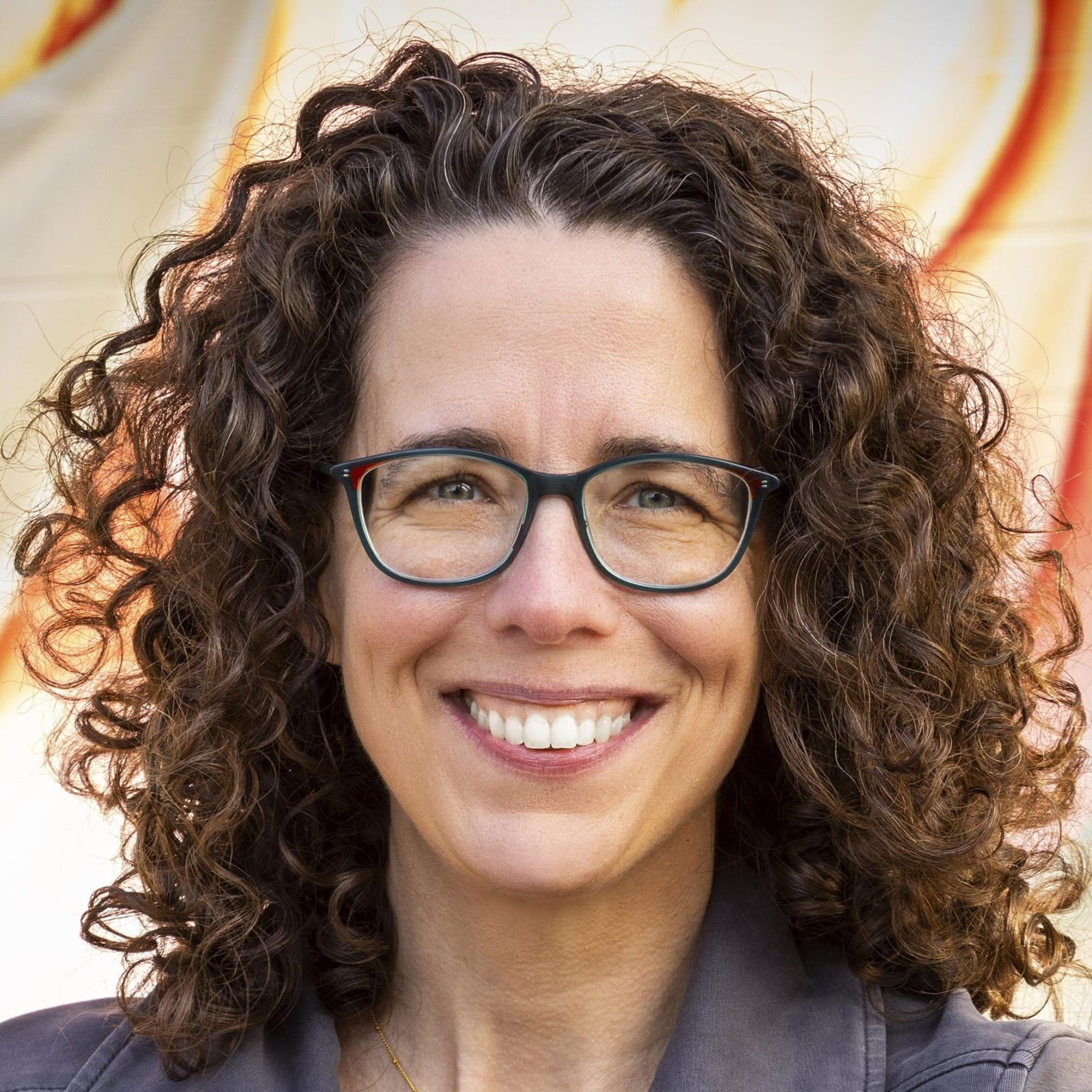
Jane Friedman has spent her entire career working in the publishing industry, with a focus on business reporting and author education. Established in 2015, her newsletter The Bottom Line provides nuanced market intelligence to thousands of authors and industry professionals; in 2023, she was named Publishing Commentator of the Year by Digital Book World.
Jane’s expertise regularly features in major media outlets such as The New York Times, The Atlantic, NPR, The Today Show, Wired, The Guardian, Fox News, and BBC. Her book, The Business of Being a Writer, Second Edition (The University of Chicago Press), is used as a classroom text by many writing and publishing degree programs. She reaches thousands through speaking engagements and workshops at diverse venues worldwide, including NYU’s Advanced Publishing Institute, Frankfurt Book Fair, and numerous MFA programs.