
News
- The Audible Captions case may be nearing a conclusion. Audible and traditional publishers seem to be discussing a proposal from Audible, but the details of that proposal have not been made public. Read Andrew Albanese in Publishers Weekly.
- The Authors Guild updates their guidance on California’s AB5, which we covered in our last issue. Read at their site.
- The CASE Act has passed the house and moves on to the Senate. The law, if it passes, will establish a small claims copyright court. We covered the implications of CASE in July. Read the statement from the Authors Guild.
Bookselling
- A new online retail site, Bookshop, will launch in 2020 and compete against Amazon. In an effort that seems especially optimistic, Bookshop will sell print books and digital audiobooks, but at no more than a 10 percent discount. The online store is intended to support independent bookstores. Read Judith Rosen in Publishers Weekly.
- Google has redesigned Google Books as part of its 15th birthday. It’s now easier to search an author’s history and other works. Read Google’s post about it.
Libraries
- The American Library Association denounces Amazon and Macmillan. They claim current practices limit libraries’ ability to deliver core services and have delivered a report to Congress. Read Andrew Albanese in Publishers Weekly.
- Macmillan’s CEO writes an open letter to libraries. He writes, “We believe the very rapid increase in the reading of borrowed e-books decreases the perceived economic value of a book. … It is becoming ever easier to borrow rather than buy. This is causing book-buying customers to change habits.” (A statement very much at odds with the trade industry’s customary insistence on the invincibility of print.) Read the email.
- At least one major library system will boycott Macmillan ebooks. The King County Library System in Washington state is the nation’s top digital-circulating library. Read Andrew Albanese in Publishers Weekly.
- New picks in the Panorama Project feature regional summer sleepers. These lists, compiled from library patron data, demonstrate unmet demand from July through September and reflect books likely to sell but no longer receiving promotional attention from publishers. Take a look.
Trends
- YA fiction is seeing three areas of expansion: underrepresented characters in fantasy, clean stories (e.g., no explicit sexual content or excessive violence), and gender-bent and LGBTQ retellings. Read Shannon Maughan in Publishers Weekly.
- Reality fiction is a publishing sensation in Norway. But the authors are getting accused of revealing intimate secrets under the guise of fiction. Read Thomas Rogers in The New York Times.
- Comic book readers are leaving superheroes behind. Trade book publishers, which typically focus on children’s content and manga, are becoming an increasingly significant driver of sales for the market. Read Rob Salkowitz at Forbes.
- A genre author propels his traditional publishing career forward via a literary standalone. Mystery novelist William Kent Krueger saw his visibility and sales increase when he wrote a non-genre standalone that was popular with book clubs and community reading programs. Read Rachel Deahl at Publishers Weekly.
Children’s Publishing
- What do teens look for in books? Those in New York City, at least, enjoy graphic novels and want more of them. Read Sarah Yung at Publishers Weekly.
- Penguin Random House has launched a website for elementary school educators. It features 20,000 titles for the PreK-6 classroom and was developed with feedback from teacher survey groups, publisher sales and marketing teams, and the PRH Elementary Education Teacher Advisory Board. Take a look.
Politics and Culture
- Anonymous Trump official to publish tell-all. It’s the same anonymous person who wrote the New York Times op-ed “I Am Part of the Resistance inside the Trump Administration.” It releases Nov. 19. Read Rachel Deahl at Publishers Weekly.
- Mayor Pete Buttigieg is favored by those placing library book holds. His memoir, Shortest Way Home, outpaces all other candidates’ books at libraries. Read Elena Botella and Heather Schwedel at Slate.
- What is Jeff Bezos’s master plan? It involves outer space. This is a wide-ranging look at the Amazon founder and CEO—the richest man on the planet—who now dominates the market more thoroughly than any of his forebears. Read Franklin Foer in The Atlantic.
Self-publishing
- Learn what six-figure authors all have in common. Unsurprisingly, high earners tend to have more books published, spend more time writing, and use professional help. They also tend to price low, use giveaways, and get featured on promotional sites. Read Ricci Wolman at Written Word Media.
- Get advertising and Amazon marketing takeaways from NINC. In our last issue, we shared David Gaughran’s insights on audio; you can get much more in this podcast episode of Six-Figure Authors, from Gaughran and Mark Dawson. Listen.
- Some authors miscategorize their books at retailers. The folks at Kobo discuss frequently miscategorized genres and subgenres and why these mistakes matter. Read Amy Evans at Kobo Writing Life.
Audio
- Anyone can now pitch Audible Originals. They’re looking for unpublished, English-language works crafted for the listening experience in both short form and long form. Accepted projects will be exclusive to Audible. Read the guidelines.
- ACX University is back for its seventh year. ACX (the Audible subsidiary that helps you produce and distribute your audiobook) is once again offering a free masterclass in taking your audiobook business to the next level. Learn more.
- Google launches a new voice recorder app that transcribes in real time. It will work (for now) only on Google’s new smartphone, the Pixel 4. Read Sarah Perez at TechCrunch.
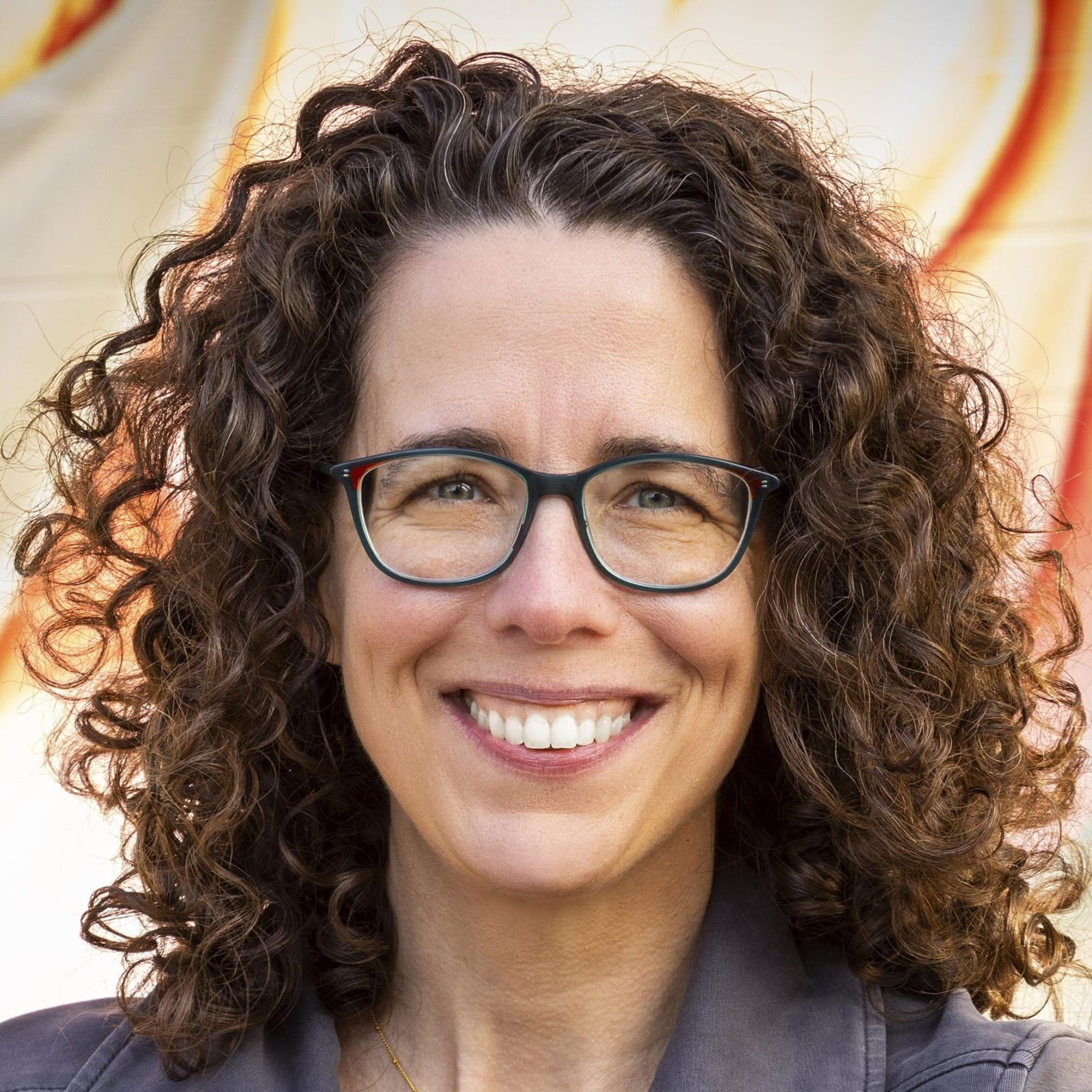
Jane Friedman has spent her entire career working in the publishing industry, with a focus on business reporting and author education. Established in 2015, her newsletter The Bottom Line provides nuanced market intelligence to thousands of authors and industry professionals; in 2023, she was named Publishing Commentator of the Year by Digital Book World.
Jane’s expertise regularly features in major media outlets such as The New York Times, The Atlantic, NPR, The Today Show, Wired, The Guardian, Fox News, and BBC. Her book, The Business of Being a Writer, Second Edition (The University of Chicago Press), is used as a classroom text by many writing and publishing degree programs. She reaches thousands through speaking engagements and workshops at diverse venues worldwide, including NYU’s Advanced Publishing Institute, Frankfurt Book Fair, and numerous MFA programs.