
Traditional Publishing
- HarperCollins reports profits up by 14 percent in recent quarter. Rachel Reid’s ice hockey romance Heated Rivalry gets the credit. Sales are up by 8 percent across; digital made up 26 percent of consumer sales, compared to 25 percent the previous year. Read Jim Milliot in Publishers Weekly.
- From TikTok skits to a three-book deal. Jaysea Lynn began writing a book based on her TikTok skits in 2021 and released chapters on Patreon, in addition to publishing an ebook. After the ebook sold 30,000 copies in a week in early 2025, an agent ran an auction and sold the rights to Saga Press, an imprint of Simon & Schuster. Read Liz Scheier at Publishers Weekly.
Scams
- Government charges three people in publishing scam. PageTurner Press and Media defrauded almost $44 million from authors. Read Jim Milliot in Publishers Weekly.
Culture & Politics
- New York City is reforming reading instruction. Teachers and parents worry about the emphasis on completing workbook exercises rather than reading entire books. Read Jessica Gould at Gothamist. Also, see clarification below.
AI
- How to understand and apply the Authors Guild’s AI clauses. Ghostwriter and editor Josh Bernoff discusses the implications of the AI clauses in publishing contracts. Read at his website.
- Another take on Shy Girl: Someone actually reads the book and finds it brave to release something that so clearly seems like a sexual fantasy. “I feel like the broader lesson here is that most people who are capable of writing a competent novel are unwilling to write something like Shy Girl. … Most authors would be mortified to have their name attached to a novel with Shy Girl’s premise.” Our copyeditor comments, “She clearly doesn’t read a lot of Kindle Unlimited.” Read Naomi Kanakia at Woman of Letters.
Clarification
Reader Nikita Kostyuk writes in, “As someone who works in literacy, I wanted to suggest a clarification to the summary of the Gothamist piece on New York City’s reading-instruction reforms [in Links of Interest]. The summary says teachers and parents worry about the emphasis on ‘workbook exercises rather than reading entire books.’ Respectfully, this overstates the situation. The article confirms that students are still assigned whole books—often four to seven per year, depending on grade and curriculum. It’s also worth noting the broader context of these reforms. NYC’s previous curriculum had serious problems. The new curriculum is designed to build phonics, vocabulary, background knowledge, and comprehension using research-based methods. These changes, though imperfect, are a vital step toward instruction grounded in how students actually learn to read. I worry that the current summary may give readers the impression that the reform is replacing books with workbooks.”
The original article in Gothamist leads with an anecdote from a teacher who, when she began teaching two decades ago, assigned her English class about 20 books a year. Under the city’s new curriculum, she thinks they’ll read around four because of class time required for excerpt reading and supplemental activities. (Unstated: how many books this teacher assigned in recent years.) Representatives from the companies responsible for the new curriculum say that whole books remain central. Read the Gothamist article.
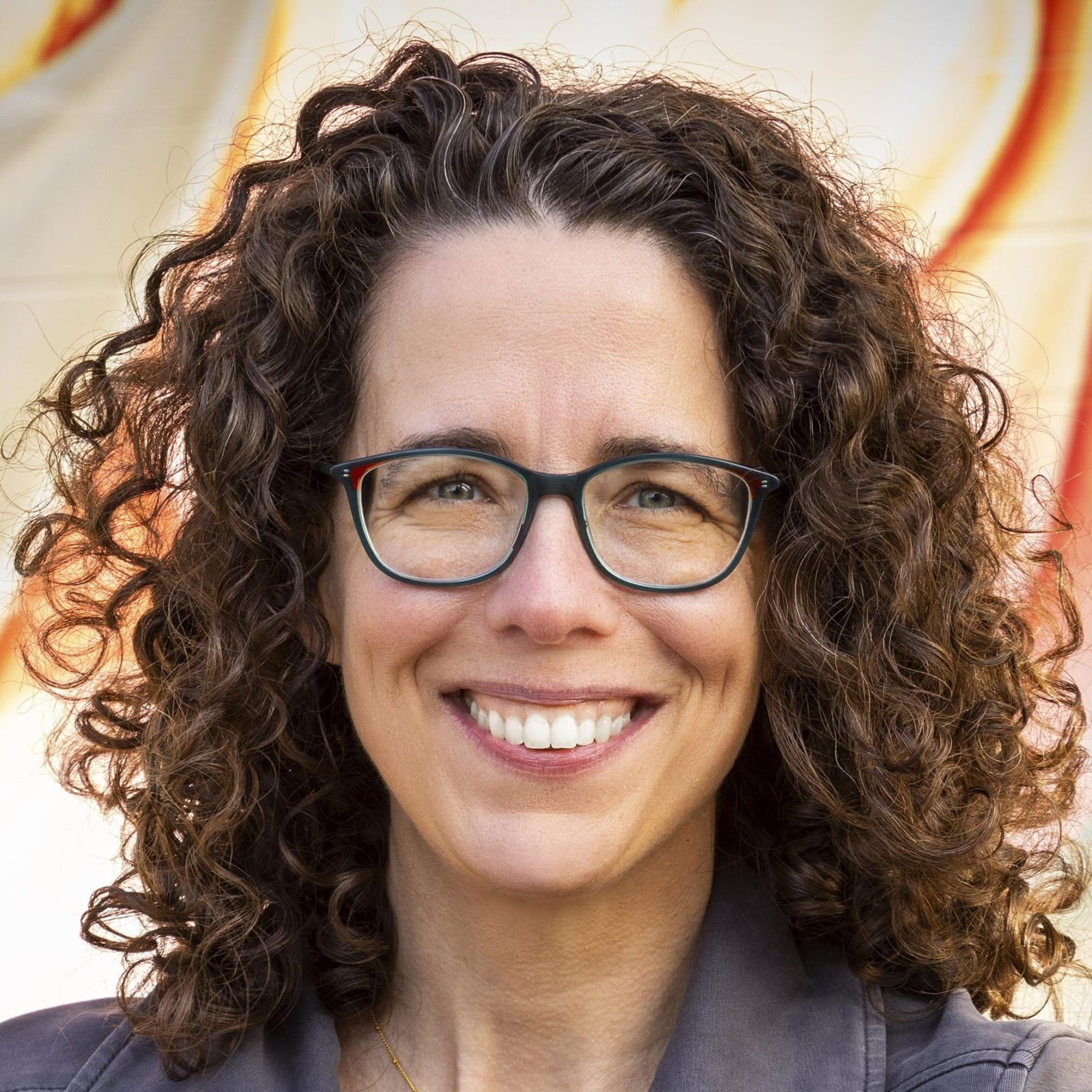
Jane Friedman has spent her entire career working in the publishing industry, with a focus on business reporting and author education. Established in 2015, her newsletter The Bottom Line provides nuanced market intelligence to thousands of authors and industry professionals; in 2023, she was named Publishing Commentator of the Year by Digital Book World.
Jane’s expertise regularly features in major media outlets such as The New York Times, The Atlantic, NPR, The Today Show, Wired, The Guardian, Fox News, and BBC. Her book, The Business of Being a Writer, Second Edition (The University of Chicago Press), is used as a classroom text by many writing and publishing degree programs. She reaches thousands through speaking engagements and workshops at diverse venues worldwide, including NYU’s Advanced Publishing Institute, Frankfurt Book Fair, and numerous MFA programs.