
What Everyone’s Talking About
- Novelist Helen DeWitt turns down a $175,000 prize due to promotional requirements. The Windham-Campbell writing prize was launched in 2013 and is administered out of Yale’s Beinecke Rare Book & Manuscript Library. The prize requires winners to participate in a six-day festival, a podcast, and a six-to-eight-hour filming session. DeWitt attempted to negotiate her way out of these obligations due to cognitive disabilities. (E.g., “Look, suppose you want me to do a 315-lb bench press. I say I can’t and you say it’s mandatory. Saying it’s mandatory does not make it possible for me to bench 315.”) In particular, she was not able to get out of the filming session for prize winners. Earlier this month, after the prizes were officially announced, DeWitt reproduced her correspondence with prize director Michael Kelleher at her blog. Meanwhile, Kelleher told the Guardian that the prize is rooted in the “communal, public celebration of writers and their work.”
- The best commentary I’ve read on the situation is from agent Anna Sproul-Latimer at How to Glow in the Dark. She questions (paid sub required) why anyone nominated DeWitt for this prize, for which social networking is part of the point. “Disaster was foretold the moment some nominator thought this was a good idea,” given that Dewitt’s body of work exhibits contempt for “coterie culture.” While DeWitt “had every right to decline the prize” and did so politely at the time, she later started taking cheap shots at the people who have supported her work, including her publisher and former agent. Sproul-Latimer comments, “Neither neurodivergence nor genius is an acceptable excuse for treating people like shit. Remember that if you are an author. If executive dysfunction can be isolating and impoverishing, abusive behavior is infinitely more so—no matter how talented one may be.”
- But wait, there’s more: After this story spread far and wide in the publishing community, Tyler Cowen of the Emergent Ventures program at the Mercatus Center (George Mason University)—which has little or no intersection with literary or commercial publishing—has granted Helen DeWitt $175,000 without any strings attached. See the announcement.
Trends
- What’s happening in the children’s market? This Publishers Weekly article rounds up agent, editor, and scout buzz at Bologna Children’s Book Fair. Fantasy (including romantasy) still dominates YA; contemporary YA is a struggle. Middle-grade sellers are short, accessible, humorous, illustrated, and less than 30,000 words. And fanfiction continues to be popular. Read Diane Roback.
- Fewer readers favor hardcover in the UK. It’s important to remember this article is by The Times about UK readers. In 2025, when asked why hardcovers still perform well in the US at such high prices, James Daunt (CEO of the biggest US bookstore chain and the biggest UK bookstore chain) said it’s because Americans are richer. Read David Sanderson.
AI
- A terrific summary of where we are with the Anthropic case. Victoria Strauss digs into issues of class participation, lawyers’ fees, publishers’ failures to register copyright, and settlement objections. Read at Writer Beware.
- The latest version of Claude can find and exploit security weaknesses. Anthropic says its latest model, Mythos, is a potential threat to national security and won’t release it publicly. In fact, Mythos emailed a researcher while he was eating a sandwich in the park, even though it wasn’t supposed to have internet access. One journalist notes, “Frankly, if this is true, then it makes all the blather about college kids cheating on their essays look like tiny weeny potatoes. Oh, did an LLM get trained on your novel? Yeah, well, it’s also found a backdoor into the Pentagon.” Read Helen Lewis at The Bluestocking.
- A new European report on translation and AI. Academic publishers are already using AI translation at scale, even though such translation doesn’t perform evenly across language pairs. Read the full report (free) by Miha Kovač, Rüdiger Wischenbart, Yana Genova, and Anja Kamenarič.
Amazon
- Older Kindles will stop downloading new titles on May 20. All Kindles introduced and sold in 2012 or earlier (back to 2007) will no longer be able to buy or download books from the Kindle Store. Users can still read books already downloaded. Read Andrew Cunningham at Ars Technica.
Culture & Politics
- Americans still prefer print books; few are in book clubs. That’s according to the latest research from Pew, which also shows that 75 percent of adults have read a book in the past 12 months, at least in part. Learn more from William Bishop at Pew.
- YouTube is the world’s largest media company. Its revenue just surpassed Disney’s. Read Alex Weprin at the Hollywood Reporter.
- Freida McFadden reveals her real name. The bestselling thriller author’s real name is Sara Cohen, and she’s a brain doctor. She will continue writing under her pen name. She told USA Today, “I’m at a point in my career when I’m tired of this being a secret. I’m tired of people debating if I’m a real person or if I’m three men. I am a real person and I have a real identity and I don’t have anything to hide.” Read Clare Mulroy.
- How to start your own successful book club. Professional book club moderator Amy Silverberg offers tips. Read at the LA Times.
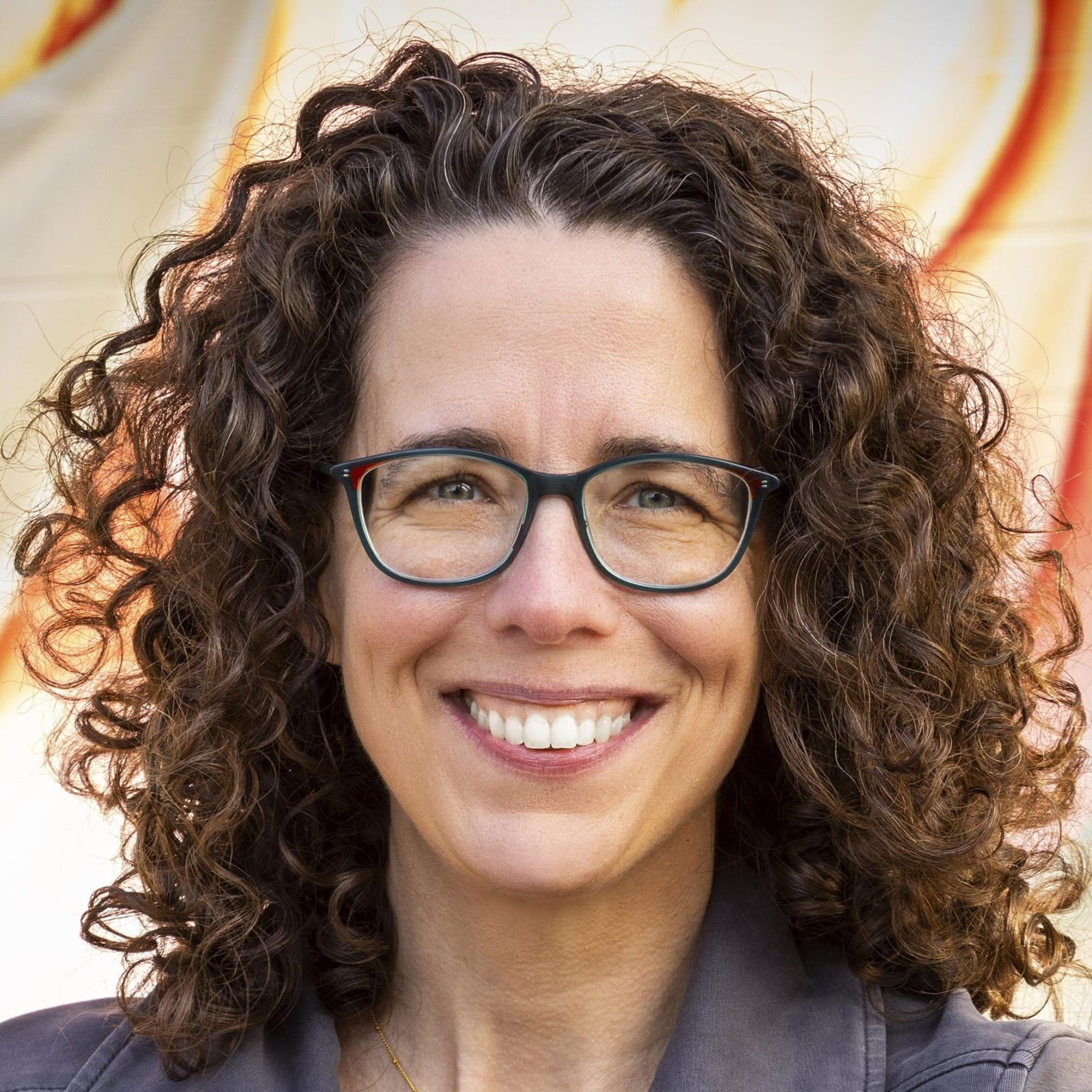
Jane Friedman has spent her entire career working in the publishing industry, with a focus on business reporting and author education. Established in 2015, her newsletter The Bottom Line provides nuanced market intelligence to thousands of authors and industry professionals; in 2023, she was named Publishing Commentator of the Year by Digital Book World.
Jane’s expertise regularly features in major media outlets such as The New York Times, The Atlantic, NPR, The Today Show, Wired, The Guardian, Fox News, and BBC. Her book, The Business of Being a Writer, Second Edition (The University of Chicago Press), is used as a classroom text by many writing and publishing degree programs. She reaches thousands through speaking engagements and workshops at diverse venues worldwide, including NYU’s Advanced Publishing Institute, Frankfurt Book Fair, and numerous MFA programs.