We got the news last week that UK author Carol Cooper’s self-published novel Hampstead Fever will be featured in WHSmith shops at airports and train stations with a promotion (buy one, get one at half-price) over the weekend of April 15–16.
When we reached Cooper to ask how this arrangement with the chain had come about, we found that her success has to do with researching booksellers—and offers an object lesson in how platform and quality can pay off.
Research: “I owe a lot to London Book Fair,” Cooper tells Hot Sheet. (See our segment today on trade shows and authors.) “That’s where I heard WHSmith buyer Matt Bates speak two years ago.” She spoke briefly with Bates after his talk. He’d impressed her with “his enthusiasm for all things bookish.” The encounter stuck with her.
When she published her second novel, Hampstead Fever, she sent a note to Bates with a copy of her book cover. “Matt asked to see a copy of the book. There was a longish silence. When he replied, he proposed a promo in more than 30 of WHSmith’s travel bookstores.”
Platform: Dr. Carol Cooper is known to many Brits as a “media medic” for her writings and broadcast appearances on pregnancy, child health, arthritis, and family medicine. She’s had “more than a dozen health and parenting titles published by Penguin Random House, Hamlyn, and others.” She has also published a medical textbook through Wiley.
Quality: That medical-advice platform gives Cooper zero credibility in fiction, of course. Her agent wasn’t interested in her writing novels. When she self-published her first one, she says, “I made a lot of mistakes. By the time I published Hampstead Fever, I had a far better idea of how to make it a quality product with proper editing, three proofreads, a professional cover (by designer Jessica Bell), and printing by Clays,” an outfit with more than 200 years in the business and self-publishing outreach. She published under an imprint she calls Hardwick Press, “the name of a place near Cambridge and a little play on one of my characters’ symptoms.”
Clays has a bookstore distribution arrangement by Gardners, the major UK distributor, which means WHSmith orders copies for its stores as it would trade titles.
Bottom line: Carol Cooper’s medical platform doesn’t directly support a fiction career but can’t hurt. (“Oh, that Carol Cooper.”) And, in exposing herself to chances to get to know bookstores and chains, she laid the groundwork to use years later as an indie focused on high-caliber production. “Seek out the right people,” she says, “and show them your book.” We’d add: after you make it the professional product you know they need to see.
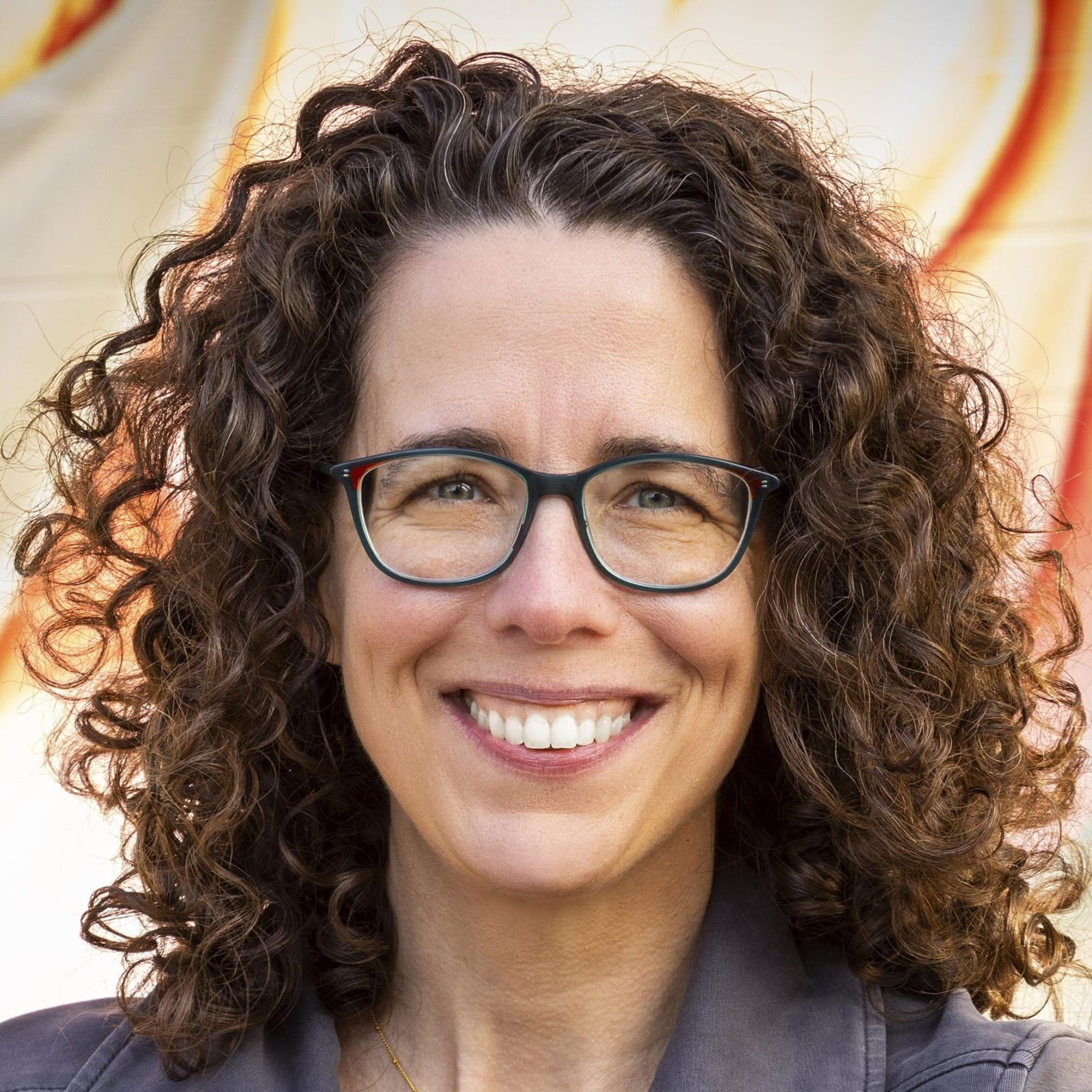
Jane Friedman has spent her entire career working in the publishing industry, with a focus on business reporting and author education. Established in 2015, her newsletter The Bottom Line provides nuanced market intelligence to thousands of authors and industry professionals; in 2023, she was named Publishing Commentator of the Year by Digital Book World.
Jane’s expertise regularly features in major media outlets such as The New York Times, The Atlantic, NPR, The Today Show, Wired, The Guardian, Fox News, and BBC. Her book, The Business of Being a Writer, Second Edition (The University of Chicago Press), is used as a classroom text by many writing and publishing degree programs. She reaches thousands through speaking engagements and workshops at diverse venues worldwide, including NYU’s Advanced Publishing Institute, Frankfurt Book Fair, and numerous MFA programs.