
Publishers’ concerns over lost revenue inspire multiple models for digital acquisitions in libraries, but there’s not much hard data to build on
Our last issue included double-header articles on the possible reasons for a decline in fiction sales. One point was that Amazon’s digital subscription services might be shifting consumption in a way that’s unaccounted for in the usual industry statistics.
Another area often overlooked when assessing digital consumption—especially whether it’s increasing—is library usage. Last year, OverDrive (the largest digital content catalog supplying libraries and schools around the world) recorded 225 million ebook and audiobook checkouts. In 2018, the figures are trending about 11 percent higher than 2017. To put that in context, consider that in 2017, US traditional publishers reported 162 million ebooks sold.
This year, a couple of New York publishers have made significant changes to their lending terms (perhaps the biggest since 2014), indicating there’s continued scrutiny of the discoverability that libraries offer versus their risk to book sales.
Two of the most recent changes to lending terms include:
- The largest of the Big Five publishers, Penguin Random House, has moved from a perpetual-access model to a metered model. Perpetual-access terms require libraries to pay once for indefinite access to an ebook. Books purchased under metered access—at a lower price—expire after two years. Frontlist titles cost between $35 and $65 under the metered model. (Important: both forms of access are for one patron checkout at a time per ebook purchased.)
- Macmillan is experimenting with a four-month embargo on new Tor titles due to what the publisher calls a “direct and adverse” effect on ebook sales. In response, American Library Association president Loida Garcia-Febo said, “I am dismayed now to see Tor bring forward a tired and unproven claim of library lending adversely affecting sales.”
Publishers’ changes in library lending terms may be a result of data received from Amazon. At Digital Book World in October, a panel of experts discussed the challenges faced by today’s libraries, who must deal with growing patron demand for ebooks and digital audio amidst changing publisher terms and access. Heather McCormack, vice president of collection development and publisher relations for bibliotheca cloudLibrary and formerly book review editor of Library Journal, began the discussion by pointing out that publishers are receiving information from Amazon that indicates libraries are hurting book sales—and that there needs to be some kind of dialogue about this. However, she said, to the credit of publishers, “They are thinking of the overall picture. They are aware of the pain points and pressure.”
Libraries face extraordinary demand for ebooks and digital audio, and budget increases can’t keep up. Librarians must balance their resources carefully, as ballooning demand for digital titles—where audio is extraordinarily expensive—can blow the entire budget long before the year ends. Stephanie Anderson, who works for the New York and Brooklyn public library system, said that over half of their budget is spent meeting immediate patron demand or holds. “Such a high percentage [of our budget] is spent on patron demand that we can’t do the kind of collection development [we want]. I’ve heard publishers complain that libraries aren’t spending enough money on midlist and backlist ebooks, but the money is simply not there. The alternative is not buying copies of books when patrons specifically ask for them.” Also on the panel was Kim Storbeck of Timberland Regional Library in Washington state; she said she faces the same challenges as Anderson. The libraries’ heaviest users often solely use the digital collections and not the branch library.
Complicating factors is the maelstrom of different license types and changing terms for ebooks. This not only affects how many copies can be purchased for a collection, but how long those titles can remain available. Anderson said, “I always compare the ebook collection to the stairs in Harry Potter. They’re always moving around, they’re always swinging from place to place, you never know where they’re going to go, you can’t count on them still being there when you go back for them.” This is causing particular problems for titles in series. Storbeck and Anderson say they already deal with complaints from patrons about series they can’t finish because the ebook is no longer available to the library from the publisher.
McCormack sees some creative efforts from publishers to sign on to new models that give libraries more flexibility. She told us directly, “The smartest people in New York and beyond want to help librarians expand their buying to, say, more adult nonfiction and kid lit so that something akin to real collection development can happen. They are doing this by signing on to the pay-per-use model, in which a patron checking out an ebook or a digital audiobook generates a sale based on a percent of the digital list price. HarperCollins led the charge nearly two years ago for Big Five, and I expect [others] to adopt it in 2019. Indie publishers like Workman and Lonely Planet also got pay-per-use out of the gate and deserve credit.”
She says another model gaining attention is simultaneous use: the library pays for one ebook or digital audiobook that can be used by numerous people at the same time. “Simultaneous use has been very popular in school and academic libraries but not in public libraries yet, owing to publishers’ understandable fears about eroding revenue. To get their feet wet, they are experimenting with limited-time discounted pricing for a title that could be for a community read. … Meanwhile, book publishers can get their digital backlist hopping again.” For another viewpoint and more discussion on competing library lending models for digital works, read Bill Rosenblatt in Copyright and Technology.
To address the underlying issues that affect ebook library lending, a group of librarians and industry professionals have launched The Panorama Project, a nonprofit focused on understanding the effects of public libraries on book and author discovery, brand development, and sales. Initial funding has been provided by OverDrive. McCormack says she hopes that “data about library sales affecting retail sales can and will be shared with every player in the industry, that the data is not going to be used to achieve internal OverDrive business goals, and that a deeper level of collaboration among players in book publishing and libraries results.”
Bottom line: McCormack says the reason for the myriad types of licensing agreements and payment models is simple: not every publisher’s list is identical. She says, “Your list should dictate your model. If you’re not Big Five, you have no business copying their models. You cannot compete with New York Times bestselling novelists in the digital library market in this way. You have to play it safe and mostly replicate how you sell digitally to consumers. Conversely, Big Five would be stupid to leave money on the table.” For indie authors, the first step to reaching libraries is having their ebook available in OverDrive; both Smashwords and Draft2Digital can help with that. But that doesn’t mean libraries will start purchasing. Draft2Digital has some food for thought on library marketing as well as your pricing strategy.
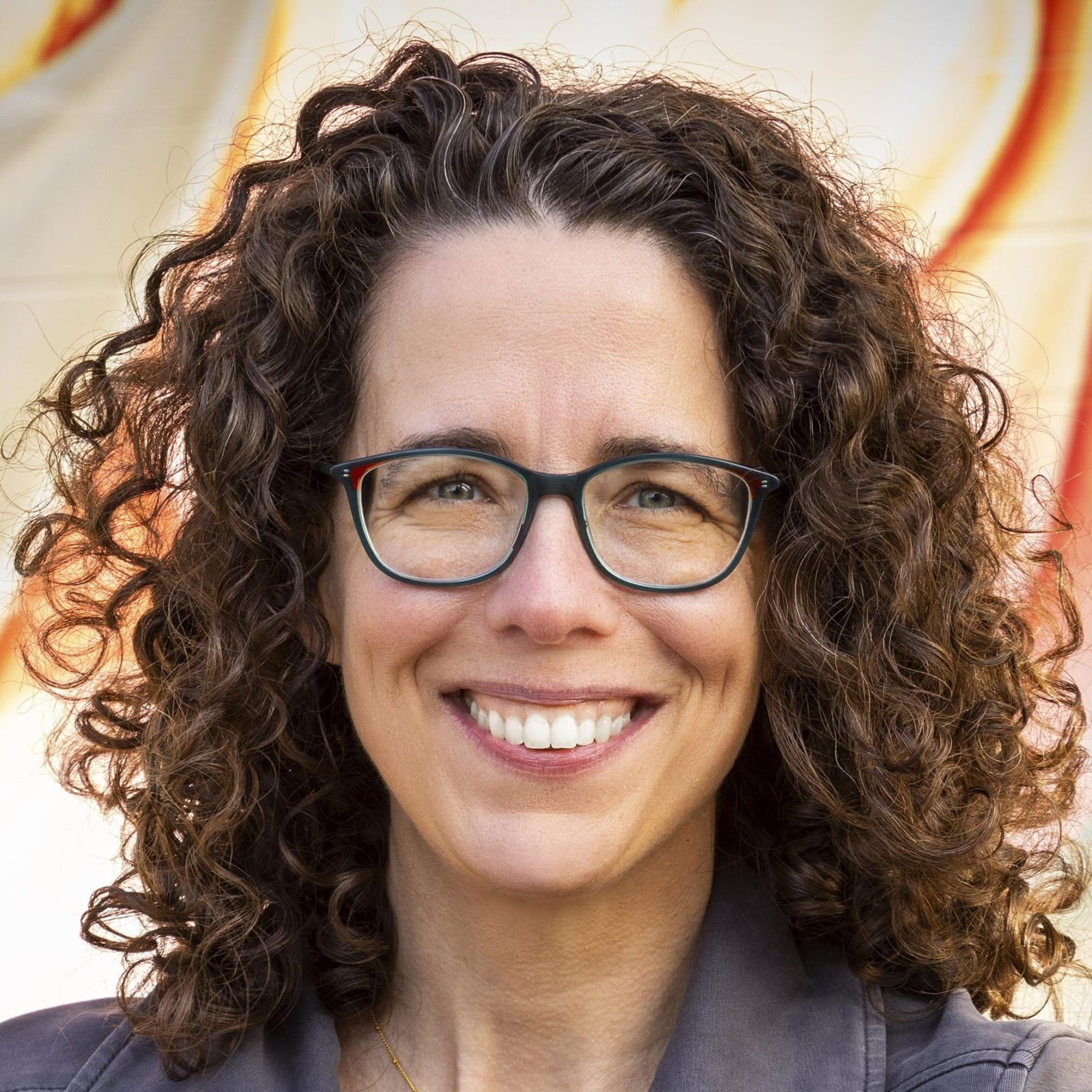
Jane Friedman has spent her entire career working in the publishing industry, with a focus on business reporting and author education. Established in 2015, her newsletter The Bottom Line provides nuanced market intelligence to thousands of authors and industry professionals; in 2023, she was named Publishing Commentator of the Year by Digital Book World.
Jane’s expertise regularly features in major media outlets such as The New York Times, The Atlantic, NPR, The Today Show, Wired, The Guardian, Fox News, and BBC. Her book, The Business of Being a Writer, Second Edition (The University of Chicago Press), is used as a classroom text by many writing and publishing degree programs. She reaches thousands through speaking engagements and workshops at diverse venues worldwide, including NYU’s Advanced Publishing Institute, Frankfurt Book Fair, and numerous MFA programs.

