
No Agatha Christie ingenues will be fainting at the news, but the Sisters in Crime mystery writers’ support group’s look in the mirror has shown the membership to be even whiter than might have been expected. In its “Report for Change: The 2016 Publishing Summit Report on Diversity, Equity, and Inclusion in the Mystery Community,” the organization declares, “We are overwhelmingly white, non-Latina women.”
Ninety-three percent of the membership responding to a new survey identifies as white and non-Hispanic, compared to 62 percent of the US population, per the Census Bureau. Hispanic/Latino writers account for 1 percent of the respondents, African-American or black members for 3 percent. Of 3,400 members, more than a third responded, engaging in a debate that appears to be open, forthright, and constructive.
“The majority of our members,” the group’s president, Leslie Budewitz, tells The Hot Sheet, “live in the US and Canada, although we have members around the world. About 60 percent of our members belong to chapters. All our physical chapters are in the US and Canada.”
In addition to the survey’s questions about diversity, the group also asked about pathways to publication. Less than a quarter of respondents report being self-published. The largest group says it’s published by a “traditional mainstream publisher,” while a bit more than a quarter of the respondents say they’re published by Big Five houses.
This is a charged area of inquiry, because many writers of color report that they self-publish when—and because—a trade publisher won’t publish them. (This is something we heard from romance writers of color at the Romance Writers of America conference last month, too.) When writers of color were asked by Sisters in Crime “Who published your last book?” more than half said they’d self-published. Author Steph Cha writes, “Put bluntly, if people of color choose self-publishing freely, that’s fine. If they choose it after rejection from their first choice … that’s a ghetto.”
The study’s data return is relatively modest, but the anecdotes and commentary are rich:
- “One African-American writer reported being told by a white editor that black people weren’t lawyers and, therefore, her characters were inauthentic.”
- “Desiree Zamorano received early feedback on her Mexican-American PI novel that included ‘good book but too much Mexican stuff’ and ‘good novel but needs to be more Mexican.’”
- “One Latina writer put it this way: ‘Romance is white people in love; sci-fi is white people in space; mystery is white people solving crime. Latino literature has sub-categories where Latino characters do all those things too, but it’s not romance, sci-fi or mystery … it’s Latino literature.”
Bottom line: We’d like to see more responsible and non-sensationalized work such as this when focusing on the multicultural question in publishing. No writers of color talked of “overt or even conscious racism from their publishers,” and yet the report reminds us that “benevolent racism” (Cha’s phrase) “can be harder to call out.” Budewitz tells The Hot Sheet, “Initial member reaction is positive. As mystery and crime fiction writers, we delve into the darker side of human nature; we’re not afraid of backlash.”
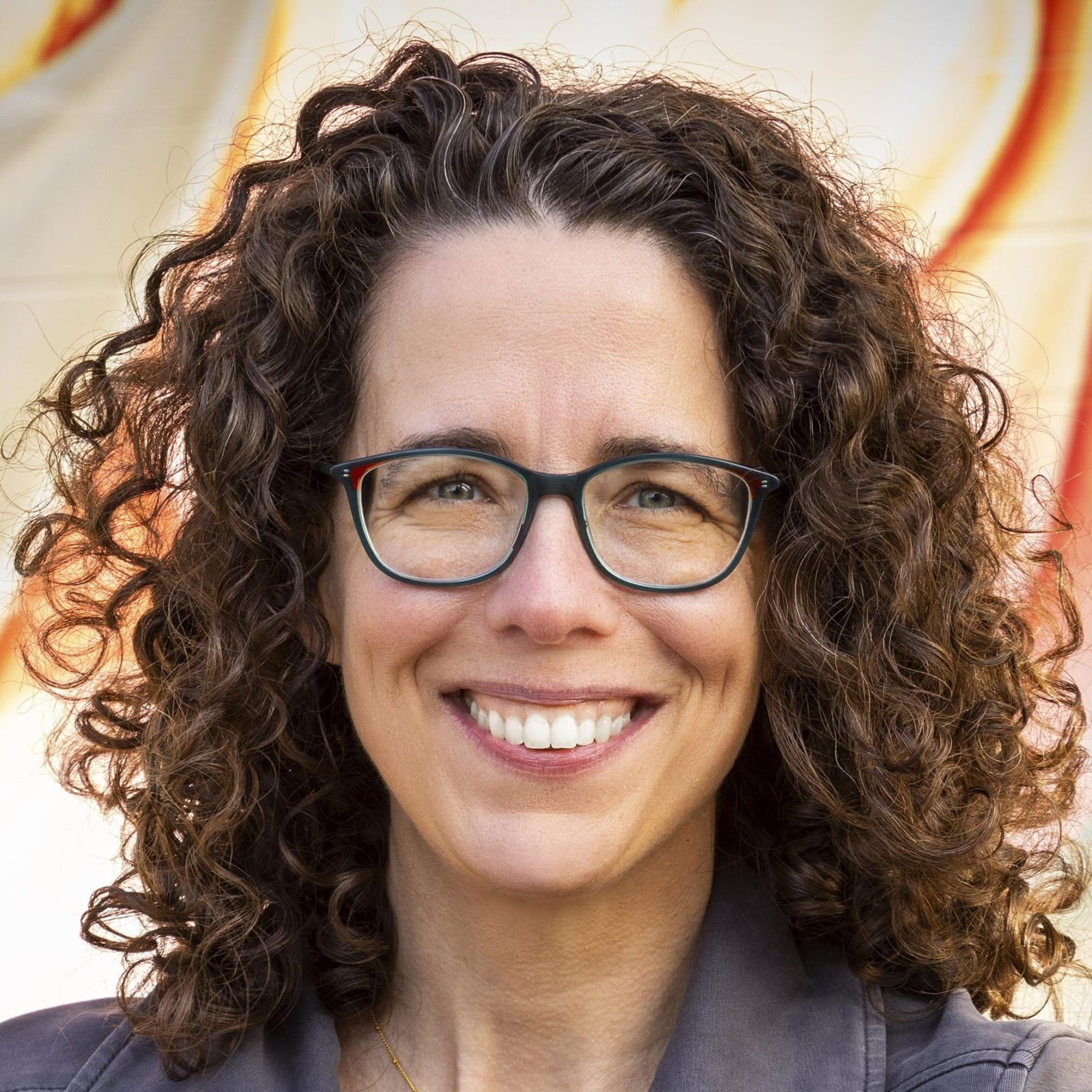
Jane Friedman has spent her entire career working in the publishing industry, with a focus on business reporting and author education. Established in 2015, her newsletter The Bottom Line provides nuanced market intelligence to thousands of authors and industry professionals; in 2023, she was named Publishing Commentator of the Year by Digital Book World.
Jane’s expertise regularly features in major media outlets such as The New York Times, The Atlantic, NPR, The Today Show, Wired, The Guardian, Fox News, and BBC. Her book, The Business of Being a Writer, Second Edition (The University of Chicago Press), is used as a classroom text by many writing and publishing degree programs. She reaches thousands through speaking engagements and workshops at diverse venues worldwide, including NYU’s Advanced Publishing Institute, Frankfurt Book Fair, and numerous MFA programs.

