
The UK was scheduled to have left the European Union on March 29—which is why the London Book Fair’s session on how a hard or soft Brexit could affect the publishing industry was so packed out on March 13. The upshot of that session was that a hard Brexit (without pre-arranged trade deals for the UK with the EU) would mean a deeper loss in gross domestic product (GDP) than an exit from the union with trade agreements. Some of the existing agreements are 30 years old and pre-digital, let alone pre-Brexit.
In terms of practical concerns for publishing, most relate to getting books into European markets. Crossing borders with ease is not at all certain if each of the 27 other EU nations suddenly cannot recognize shipments from the UK as “friendly.” UK publishers worry about “books mouldering on the docks.” The March 29 deadline passed with Brexit negotiations failing to clear parliamentary approval. The new date for the UK’s exit from the EU is October 31.
But last week’s European elections prompted an open letter, signed by nearly 90 of the country’s best known authors, urging UK voters to select EU parties friendly to staying in the union. Writers including Neil Gaiman, Nick Harkaway, Philip Pullman (president of the Society of Authors), John le Carré, Kate Williams, Laurie Penny, and Suw Charman-Anderson noted that at least 60 percent (some say it’s closer to 70 percent) of the UK’s publishing revenue comes from exports, and “36 percent of physical book exports go to Europe.”
What’s more, there are long-standing arrangements that give UK books in English preferential access to European markets over US or other English-language editions. All those deals that protect the UK’s special relationship with the Continent go sideways with Brexit, and many US publishers would love earlier access to those markets.
Last week, elections were held for members of the EU Parliament, and the world waited to see what the UK vote would reveal about current attitudes toward Brexit. The results were remarkably similar to those of the 2016 Brexit referendum. One of the eight political groups in the European Parliament is a Brexit Party (launched six weeks ago), led by the UK’s arch Brexiteer Nigel Farage (who has been a European Parliament member since 1999). Overall, that party took 32 percent of the vote. But the pro-European Union Liberal Democrats also did well, coming in at second place with 20 percent. And in the aggregate, as Karla Adam reports at The Washington Post, “support for all the parties that are unabashedly pro-European was slightly higher than for those that are pushing for a hard Brexit”—a starkly similar situation to the summer of 2016.
Bottom line: While the Publishers Association and other industry groups have led the way in trying to clarify the looming dangers of Brexit for the publishing industry, the public (i.e., voters) may be more attuned to a message coming from a beloved author. Brexit still remains a massive question mark hanging over the industry, the nation, and the world. As the authors ask it in their open letter, “Without any idea of what Brexit might look like, it’s impossible to know exactly what we might lose. A tenth? A fifth? A third of what we live on? We’ll have to make compromises. Should we ditch part of the beginning, the middle, or the end of the story? Would audiences prefer not to know whose fault it all is, how the crime was solved, or who’s still standing at the end?”
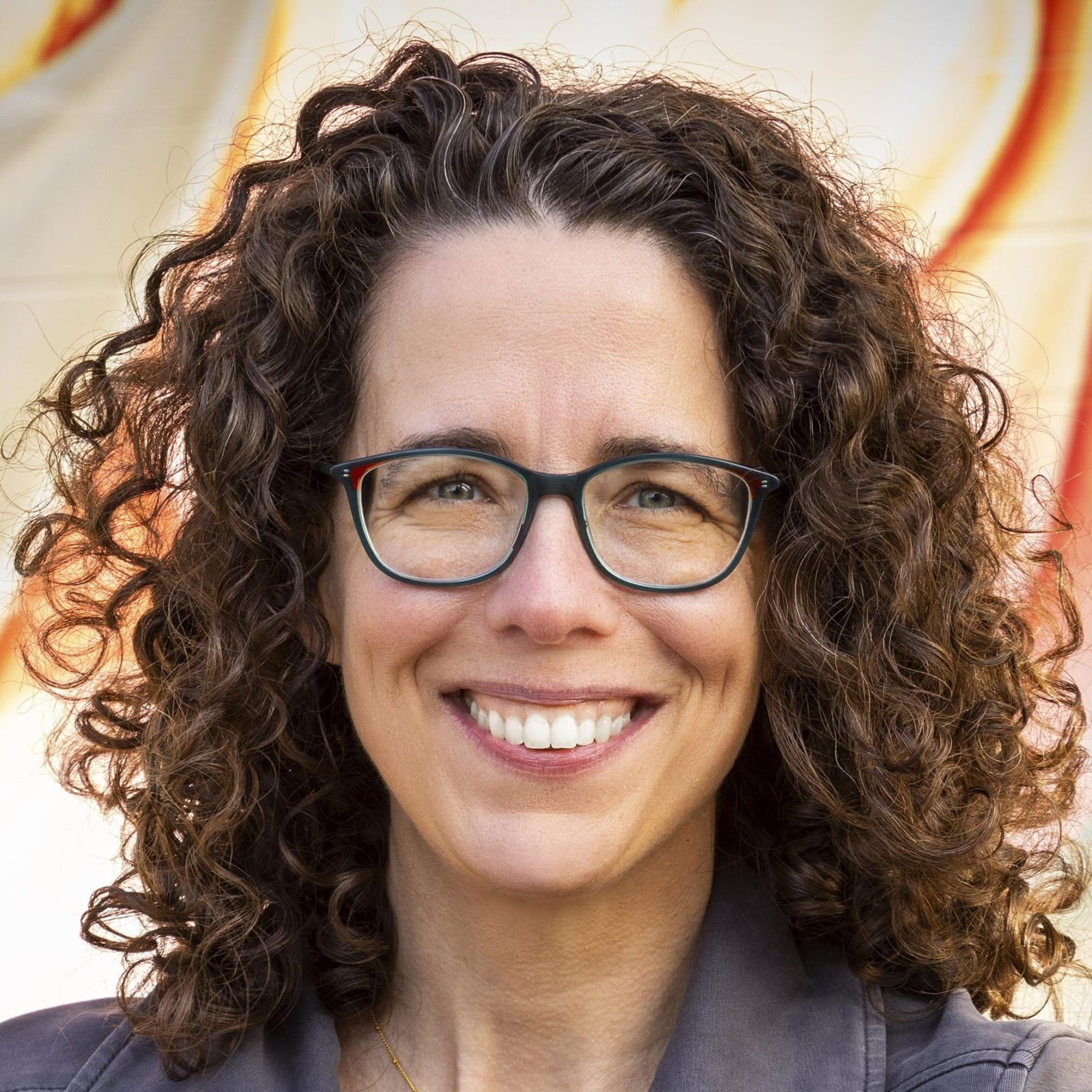
Jane Friedman has spent her entire career working in the publishing industry, with a focus on business reporting and author education. Established in 2015, her newsletter The Bottom Line provides nuanced market intelligence to thousands of authors and industry professionals; in 2023, she was named Publishing Commentator of the Year by Digital Book World.
Jane’s expertise regularly features in major media outlets such as The New York Times, The Atlantic, NPR, The Today Show, Wired, The Guardian, Fox News, and BBC. Her book, The Business of Being a Writer, Second Edition (The University of Chicago Press), is used as a classroom text by many writing and publishing degree programs. She reaches thousands through speaking engagements and workshops at diverse venues worldwide, including NYU’s Advanced Publishing Institute, Frankfurt Book Fair, and numerous MFA programs.

