
Audiobook revenue slowed in 2022, but even slow looks pretty good for this market: Sales grew 10 percent year on year versus 25 percent in 2021, according to the latest Audio Publishers Association survey.
In a late October panel hosted by the Women’s Media Group, industry experts in the audio space gathered to talk about current trends and opportunities. Panelists included: Jennifer A. Perry, director of audiobooks at Barnes & Noble; Michele Cobb, executive director of the Audio Publishers Association; Ally Demeter, associate producer of audiobooks at Macmillan (one of the Big Five publishers); Ali Hammond, head of merchandising at Chirp Audiobooks; and Larissa Helena at Yoto.
The latest APA study found that 53 percent of US consumers have listened to an audiobook (up from 45 percent last year), and 57 percent of listeners are between 18 and 44 years old. The average age of the audiobook listener has gone down over time, and listeners are slightly more diverse. (According to a Spotify study, Gen Z and Millennials lead in audiobook listening, with 72 percent of 18-to-34-year-olds listening to audiobooks.) Science fiction and fantasy has “taken a big leap” in sales over the last few years, Cobb said, and she chalks that up to the credit model of listening (used by Audible), where listeners tend to prefer long, credit-worthy books.
The fastest growing genres for audiobooks, year on year:
- Humor: +88%
- Nonfiction: +25%
- Romance: +16%
- Children’s: +41%
- Non-English language: +37%
In some cases, the growth is from a very small base; non-English-language audiobooks, for example, grew from 3 to 4 percent of the audiobook market. Demeter, who works for Macmillan Audio, said that they are more likely to keep audiobook production in-house for categories where they see books selling the best.
At Chirp, mystery and thriller performs best, said Hammond. Chirp (owned by BookBub) promotes and sells discounted audiobooks through its website. It doesn’t offer a subscription; it strictly sells à la carte. Other categories that perform well for Chirp include romance and science fiction and fantasy.
How do you market and promote audiobooks? Special offers and discounts are a key tactic for driving sales. Chirp, of course, only deals in special offers, while at Barnes & Noble, Perry said they can give customers a special offer on the audiobook if they buy the print edition, to drive more consumers to the format. Hammond noted that narrators have become very important for discoverability as well: Listeners will follow a specific narrator they love and buy books they narrate.
Perry said that, aside from price promotions, sharing behind-the-scenes video or photography of narrators or authors in the studio has been very successful because people enjoy seeing the creation process. Cobb said that listeners will also search for specific book lengths; for example, if they have an eight-hour drive coming up, they will specifically search for an eight-hour audiobook. Any special features or ancillary materials, especially those not available with the print edition, should be touted or made clear.
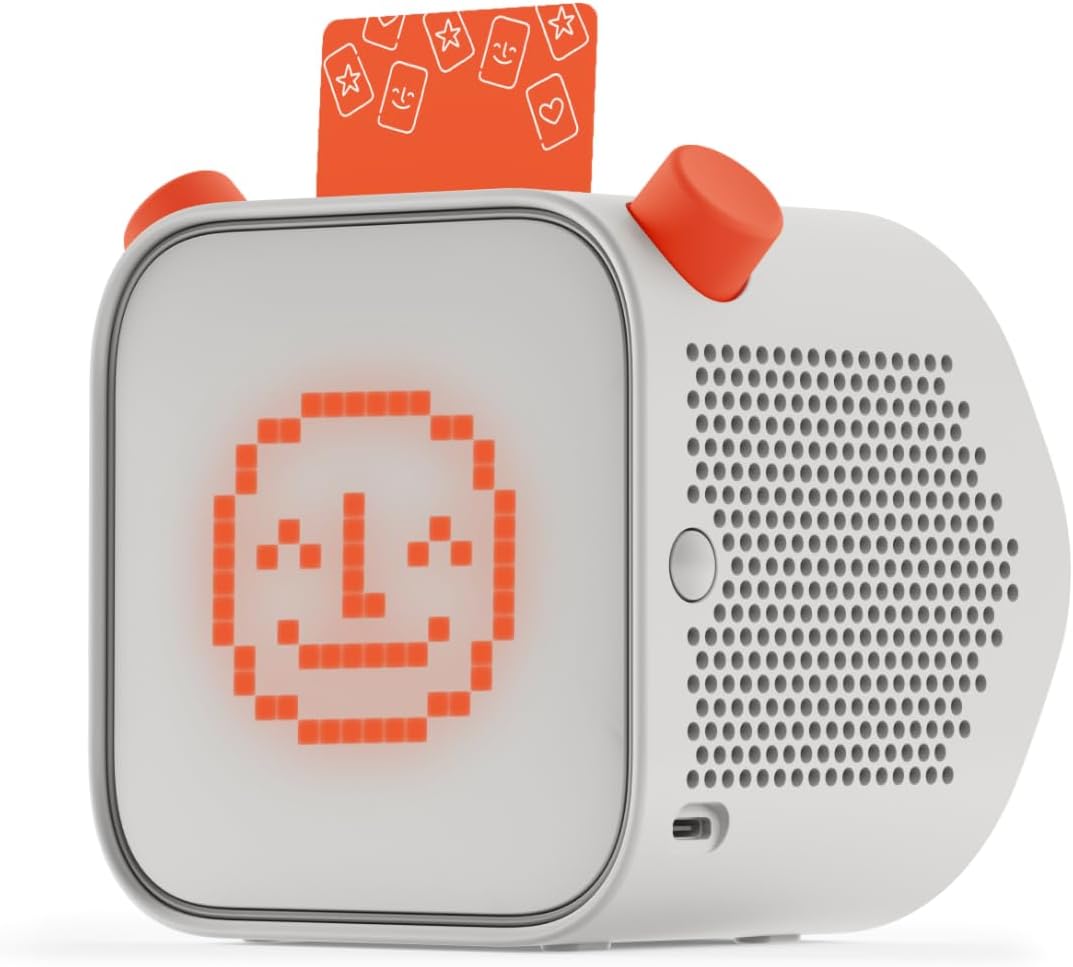
Children’s audiobooks are growing and liked by parents because they avoid additional screen time. According to the APA, 56 percent of listening parents say their kids listen to audiobooks as well (compared to 35 percent in 2020). Yoto, a screen-free audio player for kids, was launched in 2020 and is marketed to parents. The player includes free audio entertainment as well as additional cards that offer access to specific types of stories. Helena, who works at Yoto, said, “I think it really does feel similar to things I had as a kid”—like a cassette player, where kids have a choice of what to listen to. “It’s really putting power in the child’s hands, and that creates a lifelong listener, hopefully.” So far, Yoto has a catalog of 1,000 titles, and it’s possible to add Audible audiobooks via Yoto’s Make-Your-Own-Card system.
In our recent coverage of the Authors Guild income survey, we noted that audiobooks remain an area of unexplored opportunity for many authors. Cost is a significant barrier to entry, since professional narration costs thousands of dollars, and it can take years to earn out the investment (if it can be recouped at all). As if on cue, Amazon KDP just announced a new program, still in beta and invite-only, for authors to produce audiobooks using “synthetic speech technology” (what most people call AI narration). As part of the announcement, Amazon revealed that only 4 percent of titles self-published through KDP have an audiobook edition available.
Authors who take advantage of the beta offering will see their audiobook go live within 72 hours of choosing a voice, previewing the work, and adding customizations. Distribution will be through Audible; prices can be set between $3.99 and $14.99. Authors receive the same royalty as if they were distributing exclusively through ACX/Audible: 40 percent of the list price. All audiobooks created through a synthetic voice will be labeled as such, with samples available for listening so listeners can make an informed decision. Learn more from Amazon KDP. (Note that Apple, Google Play Books, Ingram, and Storytel already offer AI narration options.)
Finally, Spotify announced that its audiobook subscription service is launching today in the US market. Premium subscribers will have access to 15 hours of monthly listening time from a catalog of 200,000 titles. As we reported initially, all Big Five publishers are participating, as are many other publishers and authors. UK agents and authors have raised concerns regarding royalty payments for this activity, but we have to assume that payments for any Big Five and/or agented titles will have been negotiated before inclusion in Spotify’s catalog—and that payments are likely comparable to a sale through Audible once a certain threshold of listening has been reached. But we’ll be watching for any indicators that such agreements were not in fact reached. (For self-published authors who wish to distribute on Spotify, see Findaway Voices, an audiobook distributor owned by Spotify.)
Bottom line: The only surprising thing here is how long it took Amazon/Audible to get into the AI audiobook space, given the comparable offerings available through competitors. It’s been Audible’s policy not to sell audiobooks without human narrators; that policy has now obviously changed. This is a welcome development for the many professional self-published authors who can now test the audiobook market for their titles at no financial risk to them. But there is a big caveat: It’s always been abundantly clear that the quality of the narrator matters to sales and discoverability, and it’s easy to lose an audiobook sale because the listener didn’t like the voice. Will we soon find out that AI narration doesn’t cut it? Or that it might just be good enough for some books?

Jane Friedman has spent her entire career working in the publishing industry, with a focus on business reporting and author education. Established in 2015, her newsletter The Bottom Line provides nuanced market intelligence to thousands of authors and industry professionals; in 2023, she was named Publishing Commentator of the Year by Digital Book World.
Jane’s expertise regularly features in major media outlets such as The New York Times, The Atlantic, NPR, The Today Show, Wired, The Guardian, Fox News, and BBC. Her book, The Business of Being a Writer, Second Edition (The University of Chicago Press), is used as a classroom text by many writing and publishing degree programs. She reaches thousands through speaking engagements and workshops at diverse venues worldwide, including NYU’s Advanced Publishing Institute, Frankfurt Book Fair, and numerous MFA programs.
