As the Authors Guild rolled out its Fair Contract Initiative in 2015 and 2016, one of its top targets was rights reversion. “Thanks to clever contractual language,” the Guild wrote, “it has become increasingly difficult for authors to get their rights back if the book goes out of print. ‘Out-of-print’ clauses may be easily manipulated in this day of ebooks and print-on-demand technology. At the same time, it’s more important than ever for authors to reacquire their rights so they can make ebook and print-on-demand titles available from their backlist.”
This week, we asked the Guild how things are progressing; the answer is that there’s good news and bad news.
In terms of new contracts, the Guild says major publishers and many independents are now much more inclined to use the criterion recommended by the Guild—a specific royalty minimum of ebooks and POD within a set period of time, rather than out-of-print status. The reason for this: in the digital era, nothing is ever truly out of print. Publishers could claim that an ebook edition is available somewhere, so the book isn’t out of print. (This is sometimes wryly termed the Mongolian Ebook Problem—a publisher saying, “Oh, but we have the ebook available in Mongolia!”)
Instead, the better contracts will stipulate that if a book pays an author less than, say, $500 in royalties in a year from ebooks and POD, then a rights reversion request can be executed. The Guild’s director of legal services, Michael Gross, says these clauses may be written with a floor of as low as $100 or $200 in royalties, but the key is that they’re not dependent on the idea of available digital or POD copies.
Some publishers can still be slow to approve reversions. Gross says, “It may be they only do reversions once every month or two months. They have meetings where they consider [requests for reversions], and they consider what they want to do. And they do not feel pressure.” In instances of this kind, he says, the Guild may have to step in and push a publisher to move on a request.
Publishers holding contracts with the old language—which pegs reversion to out-of-print status—generally aren’t eager to revise that language. The Guild’s executive director, Mary Rasenberger, says, “You know, they’re trained to think, ‘Hey, there might still be a movie deal, you never know.’” Smaller houses, in particular, simply may not have the funds to hire lawyers to make contract revisions.
The worst offenders in terms of bad rights reversion clauses are vanity presses, “even though authors are paying them,” Gross points out. “Usually the people who run them aren’t professional. … And a vanity press contract can be as inclusive as a Penguin contract.” Vanity presses will indeed hold an author’s rights, even though the author has paid to publish the book.
Bottom line: While real progress has been made in the expectations that now surround what a reversion-of-rights clause might say—and the Guild shares in the credit for this, along with agents who have worked hard to move things in this direction—there still are stubborn problems. Author guidance is critical. Even though the Guild is expanding the self-publishing ranks of its membership, even seasoned veterans can get into a bind when best contract practices aren’t in place.
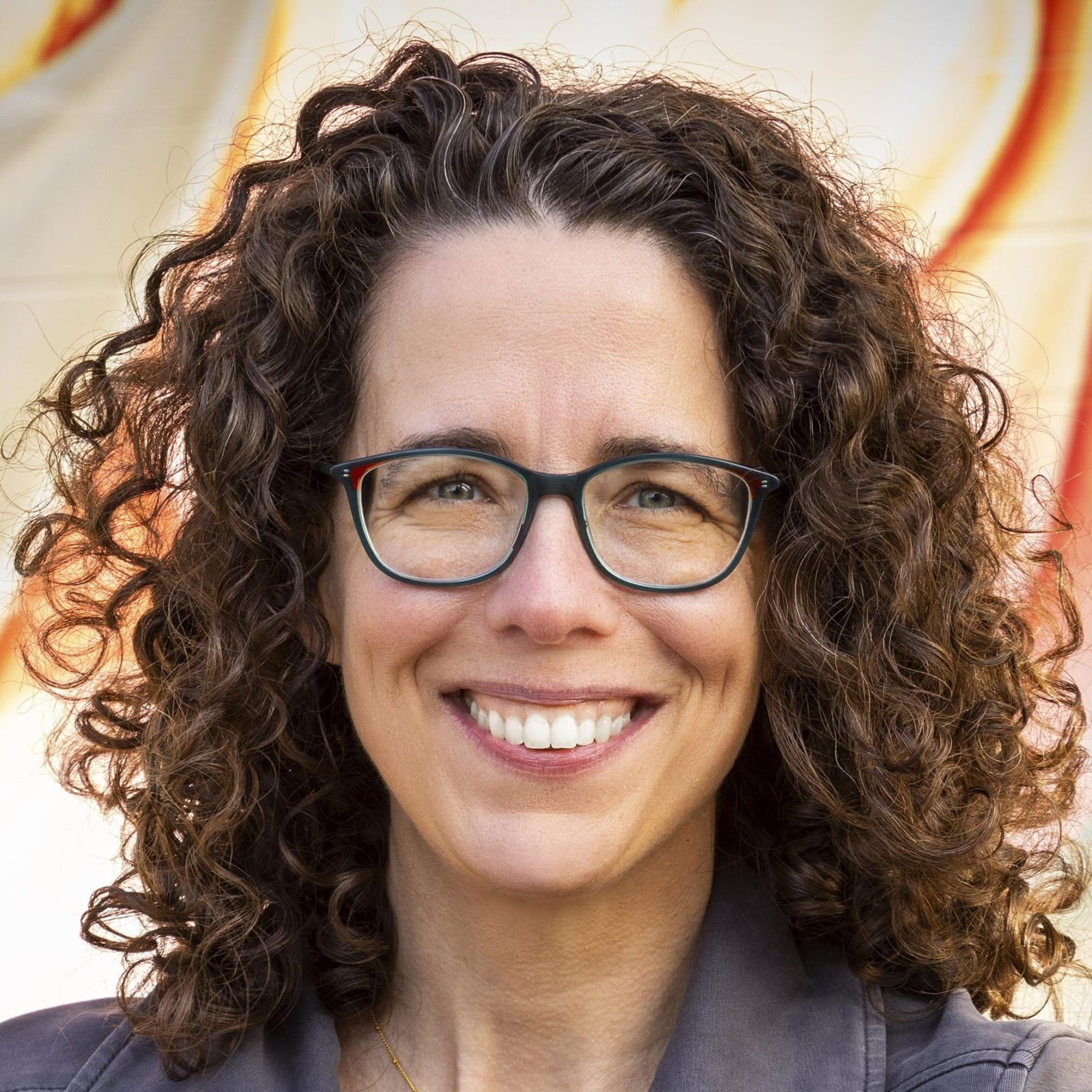
Jane Friedman has spent her entire career working in the publishing industry, with a focus on business reporting and author education. Established in 2015, her newsletter The Bottom Line provides nuanced market intelligence to thousands of authors and industry professionals; in 2023, she was named Publishing Commentator of the Year by Digital Book World.
Jane’s expertise regularly features in major media outlets such as The New York Times, The Atlantic, NPR, The Today Show, Wired, The Guardian, Fox News, and BBC. Her book, The Business of Being a Writer, Second Edition (The University of Chicago Press), is used as a classroom text by many writing and publishing degree programs. She reaches thousands through speaking engagements and workshops at diverse venues worldwide, including NYU’s Advanced Publishing Institute, Frankfurt Book Fair, and numerous MFA programs.