The Authors Guild’s effort to rekindle the idea of a public lending right in the US has prompted quick reactions, not all supportive of the concept in the American market
The term public lending right (PLR) isn’t well known in the States. But, as Authors Guild president James Gleick says in his fresh call for the establishment of an American PLR, this isn’t the first time the Guild has argued that US authors should benefit from one.
On the heels of the Guild’s new survey of writers’ income (read our coverage here), Gleick advocates PLR as a potential way to boost copyright-based revenue for writers. Before we get to the concerns being voiced about PLR, let’s explain what it is.
A great place to start is with the PLR International Network, which defines the term this way: “The public lending right (PLR) is the legal right that allows authors and other right holders to receive payment from government to compensate for the free loan of their books by public and other libraries.” In short, each time your book was checked out at a library, the PLR would entitle you to a small payment for its use (assuming you held the copyright). Currently, 33 countries have PLR in place. In addition, 27 countries have made some effort to create PLR systems.
The UK market began payments related to its own PLR in 2010 and extended them to ebook and audiobook loans in 2017. There, the program is managed by the British Library. Authors registered under the plan can earn up to £6,600 (US$8,548) annually. You can see how the system works for an author in this PDF. According to documents of Her Majesty’s government, the PLR program in the UK pays out more than £6 million (US$7.8 million) to 22,000 registered rights holders.
The original idea dates to 1919 and comes from Nordic book markets. Denmark was the first to set up a PLR to pay authors in 1946. Now all but four nations of the European Union have it. How the funds are collected and dispersed varies from market to market. Poland, for example, is a recent PLR market, and its writers, translators, and other contributors get 75 percent of a PLR payment, while the publisher gets 25 percent. In Canada, all proceeds go to the author but are capped at CA$3,521 (US$2,640)—a figure that fluctuates year to year.
So if PLR is so widely operating in the world, what could possibly go wrong in the US? Plenty, according to some. Author and activist Cory Doctorow—while cheering the Guild’s advocacy of collective bargaining for authors with Amazon and other platforms—calls the implementation of PLR in America “a terrible idea.” He sees a likely burden on library funding, writing, “If we’re going to fund authorship through state grants (which I totally, absolutely support), let’s break up digital (and publishing!) monopolists, make them pay their fair share of taxes, and fund the NEA and other institutions. But attacking libraries’ funding in the midst of the human race’s neoliberal extermination crisis is an attack on literally the only institution left in the country where you are welcome even if you’re not spending money or praying.”
When The Hot Sheet asked Victoria Strauss, who writes the Writer Beware column for the Science Fiction & Fantasy Writers of America, about PLR, she offered a similarly conflicted response. “I have mixed feelings about the Authors Guild’s Public Lending Right campaign,” she says. “On the one hand, I would very much like to see a PLR scheme in the United States like the one in the UK, where PLR funding comes from the government. Libraries should not be forced to bear the costs of such a scheme, as the Authors Guild acknowledges. On other hand, I just don’t see that it’s very likely the campaign will succeed—not only because of the current political climate, where the administration has repeatedly tried to do away with federal arts funding entirely, but because the US has never, historically, prioritized support for the arts in the way that many other countries do. So I’m torn between applauding the AG for trying and wondering if it really makes sense to invest resources in what my pessimistic nature tells me is probably a lost cause.”
Andrew Albanese at Publishers Weekly is similarly cautious. He agrees with Doctorow that “seeking more federal support for writers is a good idea, but tying those funds to library lends is not.” He writes, “A PLR in the US would disproportionately reward popular and bestselling authors, while the guild’s own data suggests that it is literary writers who are struggling the most.” That last point is partially addressed in Gleick’s column, when he writes, “The maximum payment to any one author would be capped: the idea is not to reward JK Rowling (no offense, Joanne) but to provide some much-needed help for midlist authors.”
Albanese also worries that the Guild’s ill-fated campaign in the 1980s for PLR in the States indicates the futility of an effort now. “Given the state of our politics, extracting more money for a public lending right in the US is almost certainly a non-starter, just as it was in the 1980s.”
But Parker, who leads the PLR International Network, tells us the key here is flexibility. Reached in his office at the British Library, Parker says, “Yes, there may be those who think that PLR is not right for the US, but the great thing about PLR is its simplicity of concept and flexibility of operation. The bottom line, of course, is that it provides remuneration to authors and other rights holders for the free lending of their books, but each PLR country has developed its system to take account of its own national requirements. There will undoubtedly be a model that will work in the US.”
Bottom line: In response to the Guild’s suggestion of a renewed bid for a PLR in the States to help authors, we don’t hear critics saying that bolstering writers’ income is a bad idea by any means. Instead we hear that the usual library focus of a PLR scheme is wrong for the American system, in which even the NEA and NEH have trouble holding their own in government funding. We think that in a healthier political climate, Doctorow’s idea of funding PLR via tax revenue from the major platforms and publishers could be a good alternative, although tax reform hasn’t been easy in the States, either. Like Strauss, we wonder if re-fighting this battle is where the rejuvenated, expanding Guild can best put its efforts, especially when the idea of collective bargaining lies a bit closer to the American zeitgeist (even today) than arts funding. It’s a good debate, worth the thought going into it.
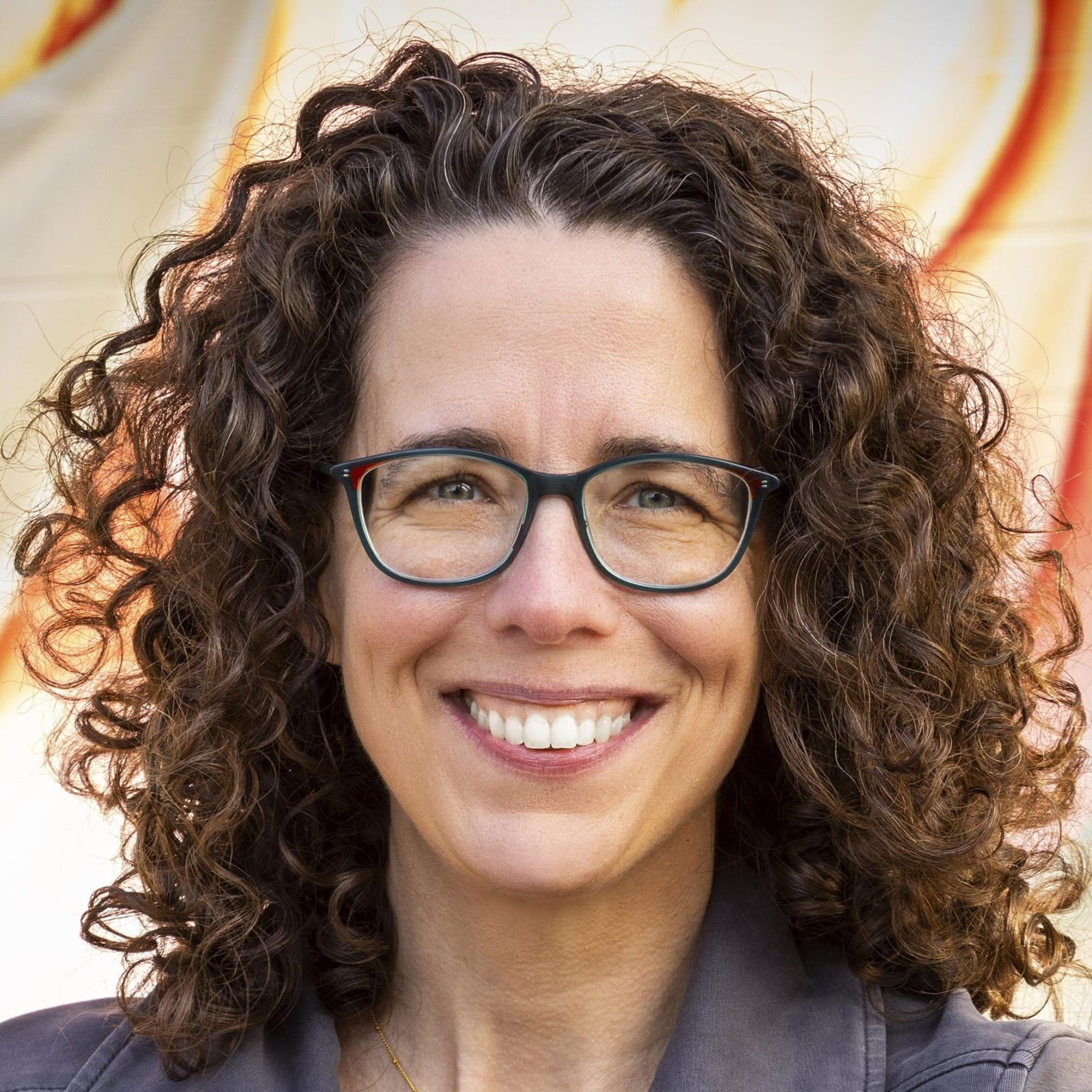
Jane Friedman has spent her entire career working in the publishing industry, with a focus on business reporting and author education. Established in 2015, her newsletter The Bottom Line provides nuanced market intelligence to thousands of authors and industry professionals; in 2023, she was named Publishing Commentator of the Year by Digital Book World.
Jane’s expertise regularly features in major media outlets such as The New York Times, The Atlantic, NPR, The Today Show, Wired, The Guardian, Fox News, and BBC. Her book, The Business of Being a Writer, Second Edition (The University of Chicago Press), is used as a classroom text by many writing and publishing degree programs. She reaches thousands through speaking engagements and workshops at diverse venues worldwide, including NYU’s Advanced Publishing Institute, Frankfurt Book Fair, and numerous MFA programs.