Right out of the gate, we might just say, “Dear traditionally published author: How recently were you a self-publishing author?”
Remember when everyone swore that “any time now” a blockbuster author would cross the road and start self-publishing? Still waiting—and we’re probably looking in the wrong direction. We think we’ll see more self-publishing authors being picked up by traditional publishers in 2017. In the previous item, we referred to the professionalization of the indie author—and professionalism pays off. One quick example: Leslye Penelope (writing as L. Penelope) was floored to find herself offered a contract by St. Martin’s Press at the end of 2016.
But we also think we’ll see fewer contracts overall in 2017. This is not a new trend, of course. Agents and authors have fretted for several seasons over what seems to be a higher bar for getting a manuscript published. But the sheer plethora of titles—the industry’s overproduction—is forcing houses to think more carefully about each acquisition: how much can they genuinely market? And how many “just okay” performers can they absorb on a list—particularly if there’s a repeat of 2016’s run with no massive blockbusters? (For more on the reality of publishing economics, we recommend this post by Mike Shatzkin.)
Richard Lea at the Guardian may be on to something when he spots “a rapid contraction” in celebrity autobiographies, at least in the UK market, where these things have been killer successes for decades but are on a fast slide since 2008. He notes that a spoof of celebrity culture was the big seller in the category over the holidays (Alan Partridge’s I, Partridge: We Need to Talk about Alan). One London publisher says there has been “this deluge” not only of celebrity books but of the celebs, themselves, with too many B-level stars storming the shelves. Ahead, Lea suggests: fewer celeb books, with those that are published authored by bigger celebs, “rather than people who appear fleetingly on reality shows.”
We agree with Mike Shatzkin that digital marketing and coping with Amazon are trade publishing’s biggest hurdles in 2017. But we think this means to watch for publishers to learn more about how to work with Amazon, not in spite of it. In mid-December, HarperCollins Christian Publishing quietly (prayerfully?) announced that it had begun offering “bite-sized daily devotionals” as an Alexa skill on Amazon’s Echo and Echo Dot devices. Here’s the line that might become the new scripture for how publishers work with Seattle: Harper announced that it had become “the first book publisher to collaborate with Amazon” in this way. In other words, a Big Five player has provided content needed by Amazon for one of its hottest products (Alexa devices topped Amazon’s bestseller list over the holidays). We may just see more publishers looking to see what they can offer the Bezosian Beelzebub instead of fighting it.
And Wattpad is only getting stronger. Trade publishers and authors use it to build audience for their books, as film companies do for their releases. Led by Sourcebooks and Simon & Schuster, publishers also graze for authors on the massive reading/writing platform. Select writers, Wattpad Stars, are earning real money in promotional assignments, and so much outside interest is now coming to Wattpad that the Toronto-based company has several programs to coordinate it all—such as Wattpad Futures (advertising), Wattpad Brands (native advertising), and most recently Wattpad Studios (film/TV ventures). Wattpad has also struck a deal with NBCUniversal’s media production arm for “original content across multiple categories.” For a fuller look, see this recent Publishers Weekly article.
Bottom line: Since we don’t anticipate new modes of book discoverability ahead, the new normal may be a search for wider-ranging topics, themes, and concepts, rather than doubling down on a genre, trope, or meme. That’s part of what Amy Lankester-Owen writes about in a Bookseller column on how YA needs to evolve “beyond dystopias” to grapple with the digital and social changes all around us. Fortunately for fiction writers, the trends in digital media consumption have only shown, Lankester-Owen says, that “it’s still long-form storytelling, the novel, the drama series, that people want to consume.”
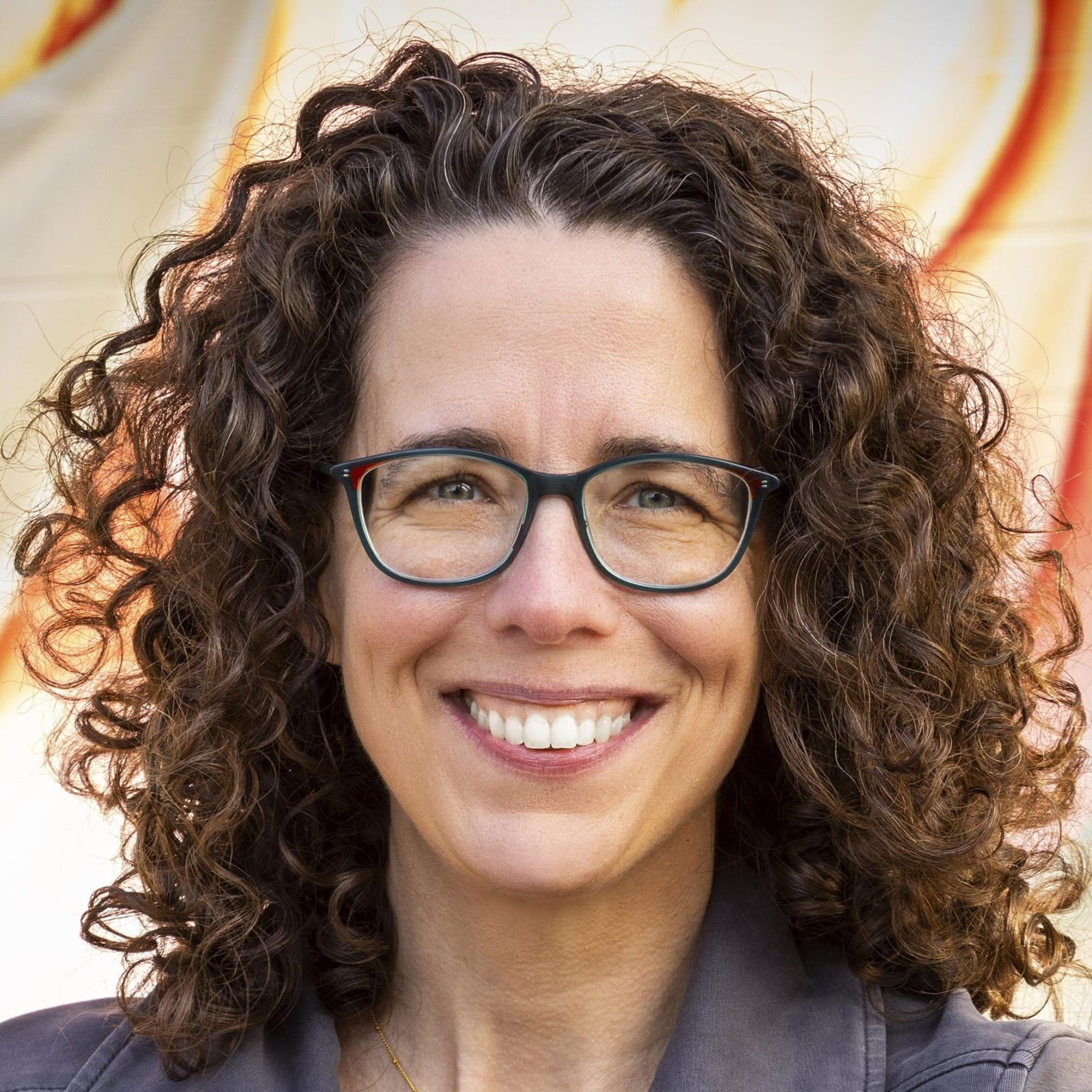
Jane Friedman has spent her entire career working in the publishing industry, with a focus on business reporting and author education. Established in 2015, her newsletter The Bottom Line provides nuanced market intelligence to thousands of authors and industry professionals; in 2023, she was named Publishing Commentator of the Year by Digital Book World.
Jane’s expertise regularly features in major media outlets such as The New York Times, The Atlantic, NPR, The Today Show, Wired, The Guardian, Fox News, and BBC. Her book, The Business of Being a Writer, Second Edition (The University of Chicago Press), is used as a classroom text by many writing and publishing degree programs. She reaches thousands through speaking engagements and workshops at diverse venues worldwide, including NYU’s Advanced Publishing Institute, Frankfurt Book Fair, and numerous MFA programs.